
Chamber discusses law consolidation to create Brazilian inclusion code
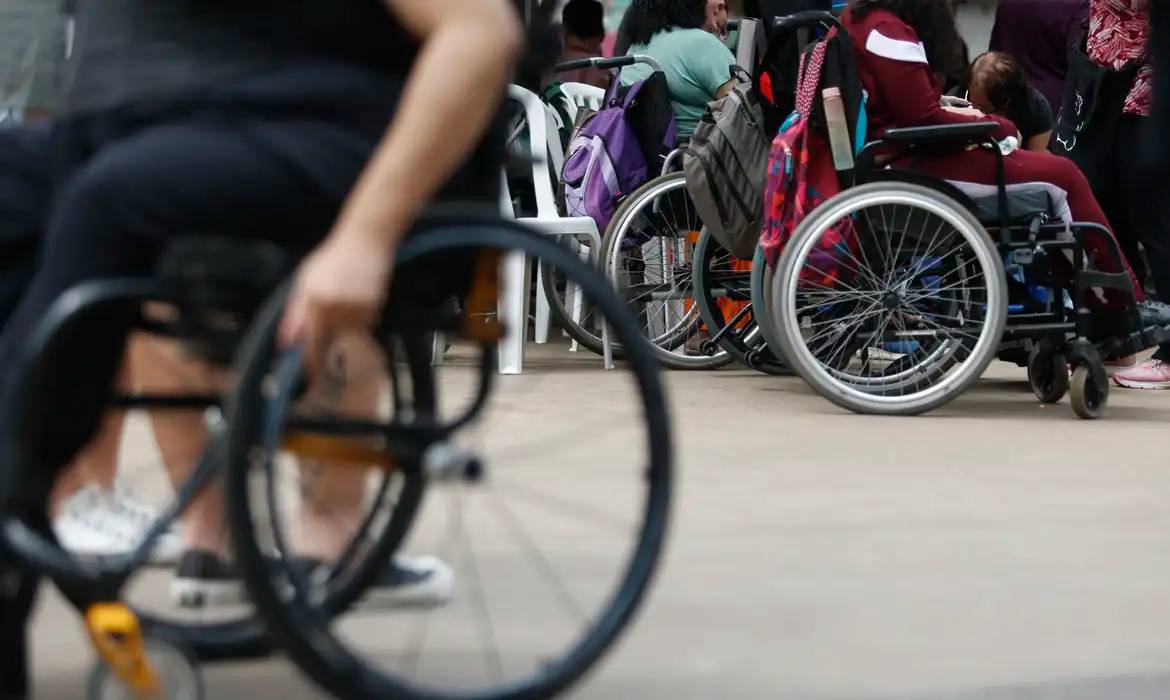
THE Brazilian Inclusion Code (CBI), which will bring together several laws on people with disabilities, will be analyzed by a working group, before being voted by the Constitution and Justice and Citizenship Commission (CCJ) and the Plenary of Chamber of Deputies.
The proposal of the Code was presented by the Commission for the Defense of the Rights of Persons with Disabilities of the House of Representatives, on the last day 10.
The idea of the code is to gather the content of laws related to the rights of persons with disabilities. The chairman of the Committee on the Defense of Persons, cleared Duarte Jr. (PSB-MA), said that, during the analysis of the proposal, public hearings will be held in all capitals and there will be channels to participate in civil society.
I want my wallet
Also read: PCDs in the job market: more than 60% have never been promoted; See research
The code will allow, for example, to expand the inclusion of people with disabilities in the labor market, guaranteed rights such as vacancies, inclusive recruitment process, training of leaders and employees to receive professionals with disabilities and guarantee of salary parity and career plan.
The deputy explained that, in addition to the laws, the Code will bring together the content of more than 200 standards on the subject, through a clear and logical index, so that people can know more about their rights.
“This proposal will raise the level of the rights of persons with disabilities and give greater legal force for everyone to understand that the disabled person is worthy of early diagnosis, having access to health and quality education, which actually includes and prepare it for the job market,” said the deputy.
Also read: How many are the vacancies reserved for PCDs and racial quotas in public tenders?
The purpose of the Code, according to the parliamentarian, is to bring together all federal laws that already deal with the subject to help people with disabilities to have knowledge about their rights, and facilitate that commercial establishments advance in hiring PCDs, investing in due adaptation to ensure accessibility to this public.
“Unfortunately, although there is already guarantees in the legislation, they are spread, which makes society difficult, in general, to identify not only rights but duties,” says the committee chairman.
Once approved by the House, the proposal still needs the approval of the Federal Senate.
