
Lula government presents plan to regulate medicinal use of cannabis until September
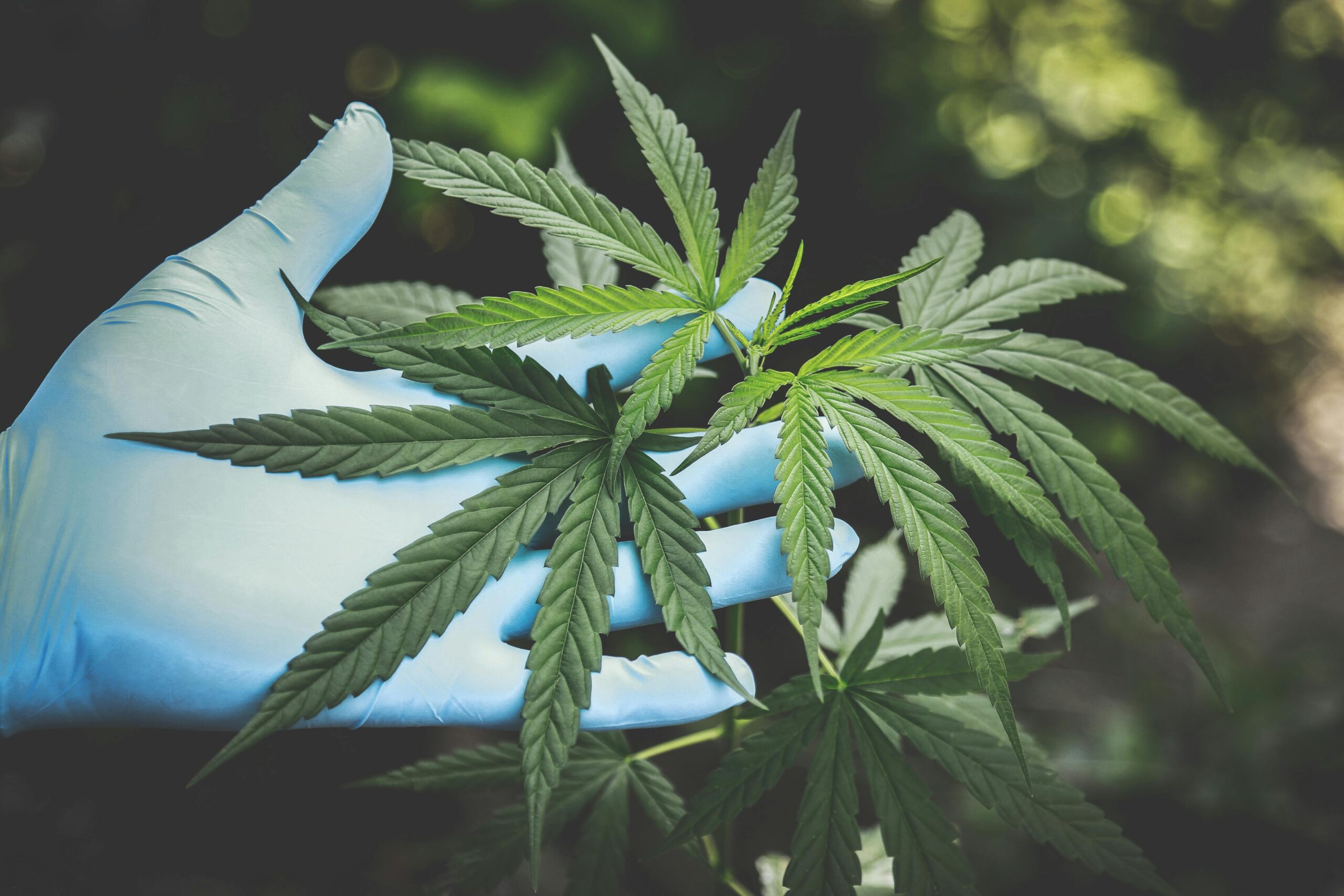
The government of President Luiz Inacio Lula da Silva (PT) presented this week an interministerial plan to regulate the medicinal use of Cannabis in Brazil. The proposal was filed by the Attorney General of the Union (AGU) in response to the decision of the Superior Court of Justice (STJ), which in November 2024 determined the regulation of the cultivation and national production of plants based on the plant.
The normative, elaborated in conjunction with Anvisa and the Ministries of Health, Justice, Agriculture and Agrarian Development, should be published by September. The document provides for rules for all steps – of distribution cultivation – and highlights the urgency in expanding access to treatments.
‘I prefer Lula’: Understand Wajngarten’s resignation from PL at the behest of Michelle Bolsonaro
Former president’s lawyer made critical comments to the former first lady in conversations with Lieutenant Colonel Mauro Cid

Lula: If it depends on us, Brazil will never suffer a blow
In a ceremony in Rio along with artistic class, the president pointed out that, even with the country living “the longest time of democracy”, there was an attempt to break institutional rupture on January 8, 2023
Medicinal use grows, but access still depends on justice
The use of cannabis -based medicines has been authorized in the country since 2015, initially only by importation. In 2019, Anvisa regulated marketing in Brazil, but only with foreign inputs. Today, most patients need to go to court for access.

I want to profit from the bag
“The high cost of sugarcane -based medicinal products in Brazil produces serious iniquities in access to treatments, as the obligation to import inputs make production and prices,” the plan delivered by AGU points out.
According to government data, more than 670,000 Brazilians use cannabidiol to treat conditions such as refractory epilepsy, chronic pain and multiple sclerosis. Since 2022, the Ministry of Health has received 820 court orders requiring supply of medicines.
STJ: prohibition impairs industry and patients
The decision of the STJ that motivated the government’s action was reported by Minister Regina Helena Costa. At the time, she stated that the absence of regulation compromises national industry development and patient access to effective therapies. The Court established a period of six months for Anvisa and the Federal Government to present a normative solution.
Today, even without consolidated federal regulation, several patients’ associations have already obtained judicial authorizations to cultivate and produce cannabis -based medicines for therapeutic purposes. The new regulation is expected to allow cost reduction, expanding access and strengthening the national production chain.