
99% of gold hides under the earth – and it is ‘leaking’ to the surface
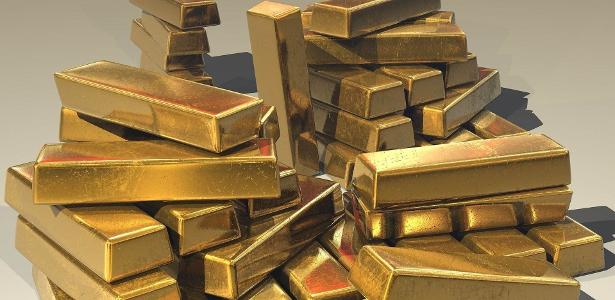
“When we reached the first results, we realized that we had literally found gold,” said geochemical Nils Messling, who led the study in a statement. His team found that the earth’s core material, “including gold and other precious metals,” is infiltrating the earth’s cloak and ends up surface through the volcanic magma.
Rutênio-100: Key to discovery
The discovery was made from the analysis of volcanic rocks of the Hawaiian islands, where researchers detected exceptionally high ruthenium-100 concentrations, a rare isotope of this precious metal that is more abundant in the nucleus of the land than in the rock cloak (layer between the nucleus and the earthly crust). Isotopes are versions of the same type of atom, with the same amount of protons (which defines a chemical element), but with a different amount of neutrons.
The difference between the ruthenium in the nucleus and the cloak is so tiny that so far it was impossible to detect it. However, the Göttingen team has developed new highly accurate isotopic analysis techniques that allowed them to compare both types.
This subtle difference in the Rutenio-100 of the Hawaiian lavas could only mean one thing, the researchers concluded: these rocks originated on the border between the nucleus and the earth’s cloak, at a depth of over 2,900 kilometers.
This phenomenon has its roots in the very formation of our planet. About 4.5 billion years ago, during what is known as the “Iron Catastrophe”, the heaviest elements sank into the melted interior of the young Earth, being trapped in the already differentiated nucleus, as explained by the publication Science Alert. Subsequently, the bombing of meteorites brought more gold and heavy metals to the earth’s crust.