
Lula government did not pay amendments from 347 parliamentarians until IOF project vote
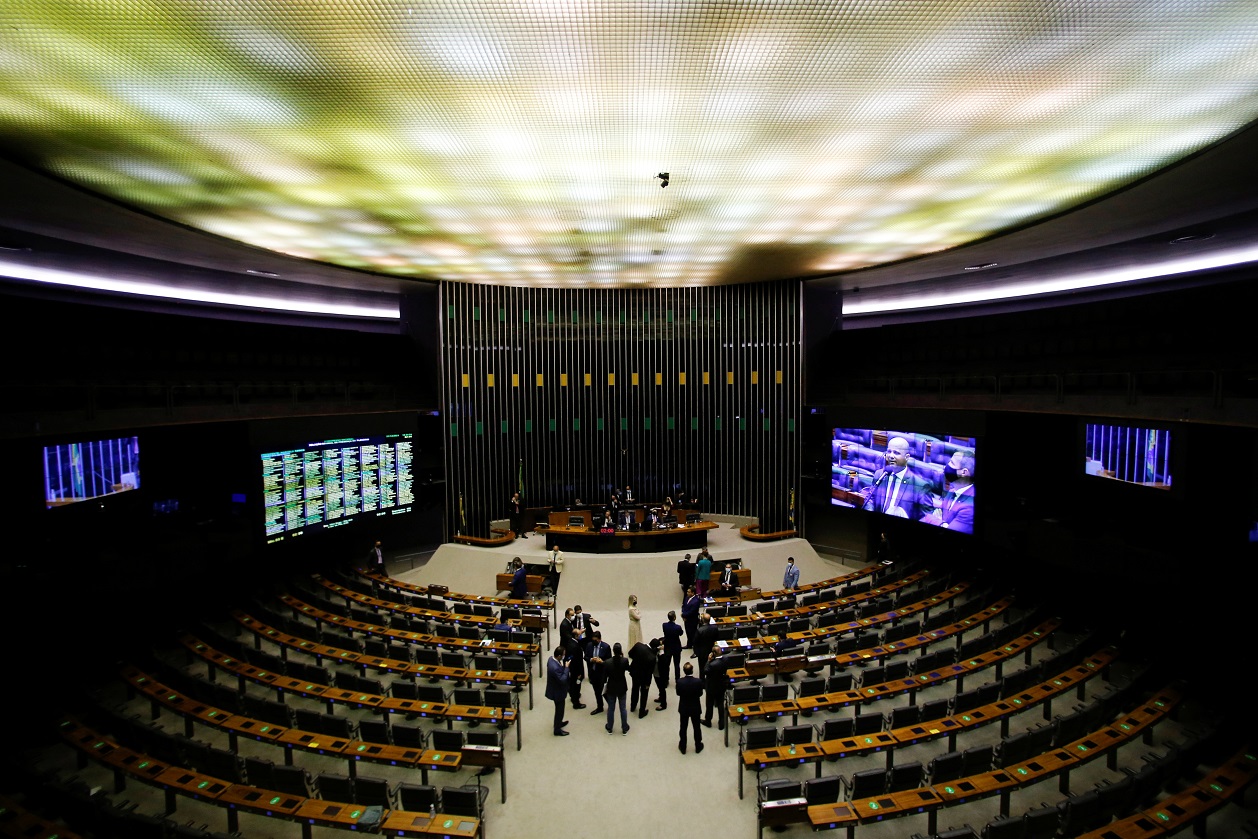
The federal government did not pay until last Tuesday, the 24th, no part of parliamentary amendments this year of 347 congressmen, 303 of them federal deputies and 44 senators. In all, 76 parliamentarians did not even see the resources reserved for their amendments by Tuesday, the eve of the congress voting that overturned the IOF tax rate increase.
Exclusive survey of Estadão/Broadcast It shows that 165 congressmen from the downtown and right parties (MDB, PP, PSD, Republicans and União Brasil), who help compose the government support base in Congress, have had no part of their paid amendments so far.
Also read: Helder Barbalho defends fiscal balance after revocation of the increase in IOF
Learn more
It is precisely among these parties that President Luiz Inacio Lula da Silva has faced more difficulty to have a solid base. The parties conglomerate, which in recent years has been conventionally called Centrão, has been run the Chamber of Deputies since Eduardo Cunha was elected in 2015, having supported the elections of Rodrigo Maia, Arthur Lira and, lastly, Hugo Motta.
The numbers analyzed by Estadão/Broadcast They are from the Integrated Planning and Budget System (SIOP), which offers detailed data on the execution of parliamentary amendments. The SIOP database used was updated until Tuesday, 24, and released on Wednesday, 25.
The detailed analysis of information on the execution of the amendments allows you to identify not only the general amount that the government has been releasing to congressmen, but how this distribution has been made.
Also read: Government sees IOF judicialization as a way to open negotiation with Congress
Sought, the Secretariat of Institutional Relations (SRI) stated that “the rhythm of execution is determined exclusively for the deadlines established by law and the technical analysis of indications by ministries.” According to SRI, the release of resources this year has been faster than in previous years, if considered the period after the budget sanction.
“Unlike previous years, in which the Union Budget was approved by the National Congress in December and sanctioned in January, the 2025 LOA (Budget Law) was voted and approved on March 20, and was sanctioned on April 10. In addition to the four -month difference in the calendar, from 2025 the execution of parliamentary amendments began to be performed under new rites, requirements and deadlines and deadlines and deadlines 210/2024, voted and approved to incorporate determinations from the Federal Supreme Court, ”said Gleisi Hoffmann’s ministry in a statement.
The government accelerated the reserve of amendments on Tuesday. Until Monday, he had committed (term of technical jargon that refers to the budget process stage, when the money is reserved for payment) about R $ 896 million. On Tuesday, this amount rose to $ 1.7 billion – a rise of $ 832 million. Payments, however, remained almost at the same level. They were $ 408 million in Monday and rose to $ 409 million on Tuesday.
Also read: Haddad says that increased “urticaria” spending and reinforces commitment to fiscal goal
The data analyzed by Estadão/BroadcastHowever, they show that the amendments of many deputies and senators have not yet been paid. Some of the congressmen authors of amendments that have not been released are from the hard core of the Planalto Palace support base, such as Senate government leader Jaques Wagner (PT-BA), and PT leader Lindbergh Farias (RJ). In all, 48 PT deputies and senators have not yet had resources from their paid amendments.
The list, however, has deputies and senators of various center parties that usually help the Planalto Palace in important votes. In addition to the biggest parties of the centrão, there are also congressmen of acronyms such as Somos, PSDB, citizenship, forward and solidarity among those who have not received amendments.
Next, the number of parliamentarians of each party that did not have their amendments released by the Executive Power so far:
SIOP data show that 144 deputies voted against the government even though this year’s amendments were committed and paid.
Some parliamentarians, such as the former PL leader in Wellington Chamber Roberto (PB) and Deputy Claudio Cajado (PP-BA), had more than $ 10 million in committed amendments and yet voted to overthrow the act of the government. Staff, for example, had $ 11.7 million in reserved amendments and $ 3.2 million in paid amendments. Roberto had R $ 10.8 million in committed amendments and R $ 750 in paid resources.
Also read: Government released more than $ 1 billion in amendments in IOF defeat week in Congress
There are a number of deputies who voted on Wednesday night, to impose defeat on the Lula administration and have no amendments recorded on the SIOP database (some, for example, because they are alternate or have taken office this year).
Among the 55 deputies who voted in favor of maintaining the decree of increase in IOF even without their amendments this year were paid, 39 are from PT, 9 from PSOL, 3 of PCdoB, 2 PSB, 1 PSD and 1 of the MDB.
This division shows how, among the deputies who were next to the government in the defeat suffered on Wednesday night, there were few who had no amendments released, except those in the hard core of leftist parties. In the center and right parties set that was called Centrão, only Hugo Leal (PSD-RJ) and Elcione Barbalho (MDB-PA) voted with the government, even without their amendments being released so far.
Party leaders heard by Estadão/Broadcast They said the non -payment of parliamentary amendments is a recurring matter in their benches.
PL leader in the House, Gostenes Cavalcante (RJ), said that the lack of payment for much of the house is a “proof of how the government is not concerned with Brazil.” The PL is the main opposition party, but some of its deputies often help the government in more important votes, as was the case with tax reform, for example. “The amendments help municipalities and institutions across the country,” he said.
Sostenes also said that he receives complaints about amendments not released by the government every day. The theme of the complaints in the PL leadership also revolves around the unpaid impositive amendments from the 2023 and 2024.
The PDT leader in the House, Mário Heringer (MG), said that the lack of payment of amendments from deputies of his bench was one of the factors that influenced the distance from the government’s acronym, expanded with the departure of Carlos Lupi from the Ministry of Social Security, after the operation that investigates undue discounts in the INSS.
For Heringer, the lack of payment to the 347 congressmen is a determining factor in the conflicting relationship between executive and legislature. Like Sostenes, the PDT leader reported receiving charges from parliamentarians daily.
“No doubt (it is a factor that hinders the government’s relationship with Congress). I get complaints from the bench every day,” said Heringer, who stressed that the lack of amendments is one of the reasons for Distancing the PDT and the Planalto Palace.
Republicans leader in the House, Gilberto Abramo (MG), in turn, told the report that “Congress expressed refusal to increase the IOF already in the decree” and that the overthrow of the act “was only a matter of time.” On Wednesday, 25th, House and Senate approved a Legislative Decree bill that sustained the increase in IOF rates lowered by the Lula government. In the House, 383 deputies voted to overthrow the government’s act, against 98 support to maintain. In the Senate, the vote to the detriment of Lula’s decree was symbolic.