
Jobim of Legacy: “Congress message on IOF pushes government to cut off”
The message that the National Congress sent to the government to overthrow the decree that increased the IOF (Tax on Financial Operations) last week was strong and puts on the table a discussion that “has been time to happen”: the cutting cut.
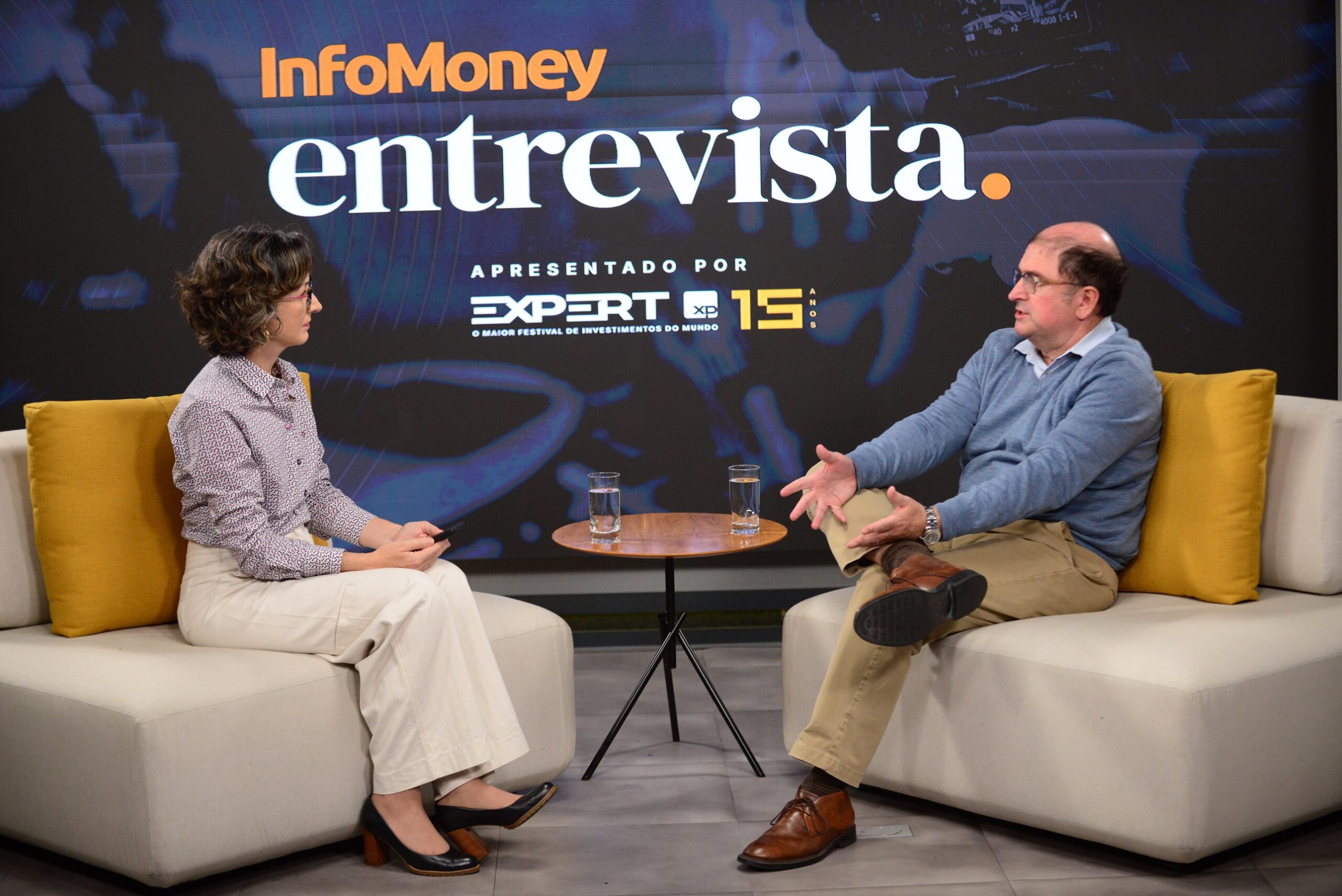
This is the view of Pedro Jobim, partner and chief economist of Legacy Capital, a house that has $ 15 billion under the back management. He is the guest of this week of the program Infoomoney InterviewIn a special series of conversations with expert XP 2025 panelists, one of the world’s largest investment events, scheduled for July 25 and 26, 2025.
For Jobim, the attitude of Congress was positive – and somehow has the potential to “push” the government for a more consistent reflection on the cutting of spending.

Guarantee up to 55% discount on your ticket at Expert 2025
You and Jorginho at Expert XP 2025
At the same time, however, the government does not seem to have understood the message and announced the entry into the Supreme Court (STF) with an action to try to annul the decision of the legislature.
Nothing positive, given the fiscal position of Brazil – which “is not favorable”. Considering the growth of public debt, Jobim says the tax targets will not be executable in 2027. “The country will need a new regime – 2026 will be the limit of the limit.” And this adds uncertainties, as a renewed fiscal framework will depend on the government of the time.
Check out some of the main excerpts of the interview below and the full version in the player above:
“Congress attitude on IOF puts cutting spending on the table”
The revenue that the government sought to achieve through the IOF was not truly foreseen. It was in other budget items very difficult to effectively achieve.
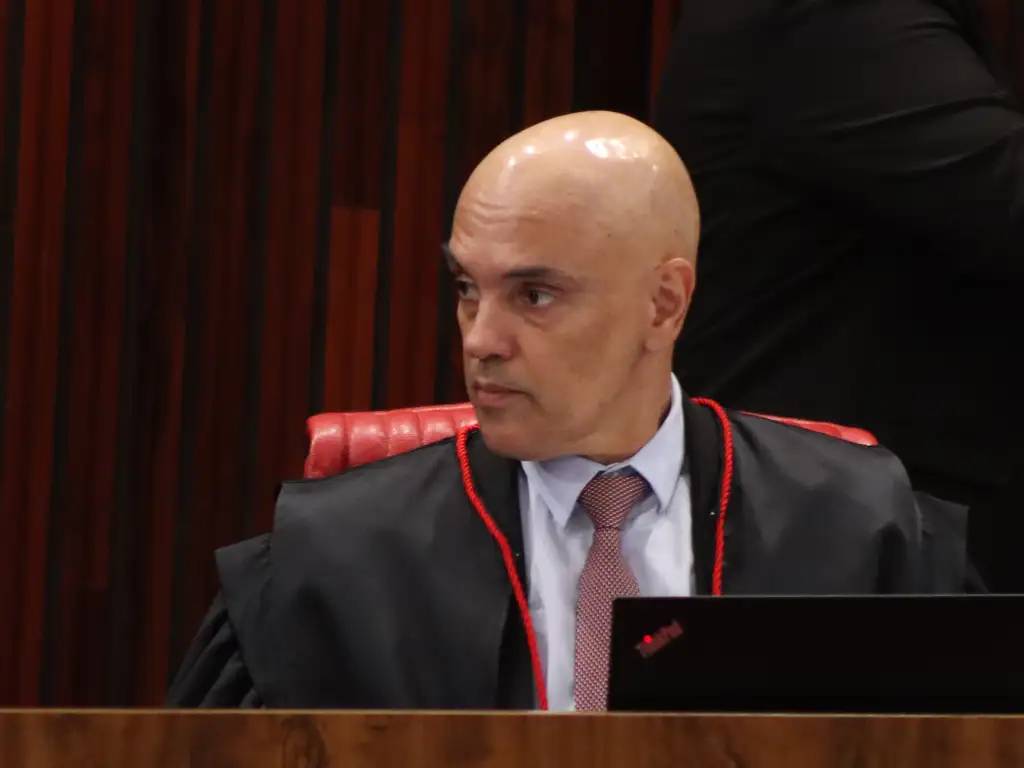
Visions of the IOF War: Respect for the separation of powers or “tax cruelty”?
Minister Alexandre de Moares is rapporteur of the IOF action; government has a favorable decision, but attempted institutional agreement is a possibility
In the market, everyone knew that at some point this would have to become contingency, but the government chose to increase the IOF, a tax intended for regulation and no collection function. The way it was done, it was very distorted and deleterious for credit granting and for medium -sized companies.
There is still a way to replace the IOF recipe that, say, disappeared – with oil auctions and other items. But everyone’s desire is that the discussion of spending cuts accelerate.
“If income tax MP loses effectiveness, effect on collection will be greater”
The overthrow of a presidential decree is something that has not happened since 1992. It was a very strong message. If not voted or rejected, the income tax of financial investments loses its effectiveness. Then the effect on the collection will be greater, and the need to contingent, too.
Also read: Government with IOF government raises uncertainty to Brazilian assets
The IOF decree, in our accounts, would represent about R $ 12 billion to 2025 and around R $ 25 billion in 2026, but the total potential effect, including MP, is close to R $ 40 billion in 2026. In this case, the government will have to rejoin other collection measures and work better cutting.
“Tax framework the way it is drawn will not be executable in 2027”
Brazil’s fiscal position is not favorable. The government’s strategy over these nearly three years has been increasing taxes. The measured primary result, within the designed tax framework, was relatively successful in 2023 and 2024. But the space to increase taxes is now exhausted.
If the current level of interest needs to be kept longer, growth can reach six or seven points a year.
Also read: Understand how the revocation of the discharge of IOF aggravates political and tax crises
This all with the country growing, but it won’t grow forever. This year, we projected an advance of GDP between 2% and 2.5%. Eventually, the real level of interest practiced today, which is high, will take effect and there will be an important slowdown, perhaps some recession.
We know what happens in these cases – although it is not a reissue of 2015 and 2016, two years of falling 3% in GDP.
In addition, we know that the tax framework the way it is designed will not be executable in 2027 and the country will need a new regime – 2026 will be the limit of the limit. And then there is an uncertainty about what this tax regime will be, because it will depend on the result of the election, in a little over a year.
