
Egyptian DNA of the Pyramid Age reveals surprising ancestry
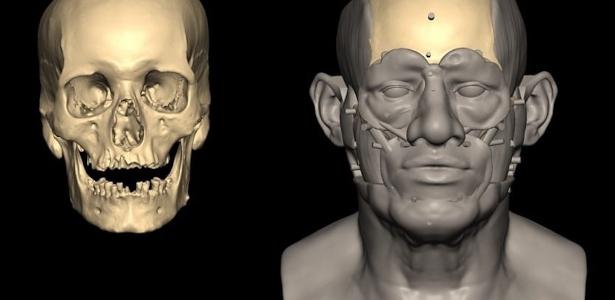
Although markers in their remains suggest a life of heavy work, possibly as a potter, it had been buried in an elaborate ceramic container. It is possible that he was a person of status, although he did not belong to the elite. His tomb was encrusted in a hill in the city.
This type of higher class burial was not expected for a potter who would not receive this treatment normally. Perhaps he was exceptionally talented or successful to advance in his social position.
Joel Irish, professor at Liverpool John Moores University responsible for DNA extraction in a press release.
The Egyptian died between two points in the history of his people: the archaic dynastic period and the ancient kingdom. At this time, there were cultural and commercial connections with the growing fertile, an area of the Middle East that includes the territories belonging to Iraq, Iran, Jordan, Palestine, Israel, Syria, Lebanon and Turkey.
Until then, researchers believed in this connection between the peoples of the region because of archaeological evidence that pointed to the trade of objects and the cultural exchange between writing systems. There was no genetic evidence of ties between them, since the hot climate prevented the preservation of DNA and the mummification of individuals also contributes to the destruction of the material.
However, the first genetic sequencing of an Egyptian of this period revealed a miscegenation – this is the first anthropological evidence of migration from the Middle East to the empire that was formed in the region. Its genetic code has 80% of its origin in North Africa, where Egypt is located, and the other 20% would have roots in peoples of Mesopotamia, the present Iraq.
