
Israel ‘Delay’ Relations with Brazil after veto to the ambassador; understand
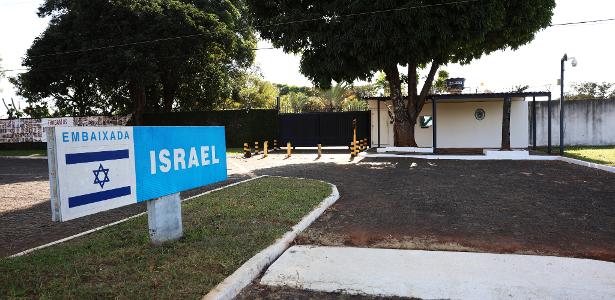
What happened
Diplomatic relegation is not rupture but loss of prestige. For Pablo Victor Fontes, Professor of International Relations at UERJ (State University of Rio de Janeiro), the measure “has a strong political burden, although it does not imply formal break”. According to him, the business officer maintains the bureaucratic routine, but without the weight to influence strategic issues.
Gesture is a political message of dissatisfaction. Uriã Fancelli, an international policy analyst and master in international relations, states that Israel’s attitude “is an elegant way to say ‘we don’t trust you’ without knocking on the door for good.” He recalls that when President Dilma Rousseff refused the name of diplomat Dani Dayan in 2015, Israel froze the embassy in Brasilia under the command of a business officer for almost a year.
Immediate impact is not commercial but political. Sources explains that new agreements tend to become more difficult, and the insistence on this lower level of dialogue reduces the margin of Brazilian influence. Fancelli stresses that without an ambassador, Brazil loses a privileged channel to solve barriers and boost business missions.
Space for rapprochement
Previous crises show a chance of resumption. Fancelli recalls that after Dani Dayan’s refusal in 2015, relations were warmed again in the following governments. “This is a wear, a diplomatic crisis, but within the limits of normality. Political changes in Brasilia or Tel Aviv can pave the way for a resumption,” he said.
