
In Silveira’s trial, Fux rejected amnesty to crimes against democracy
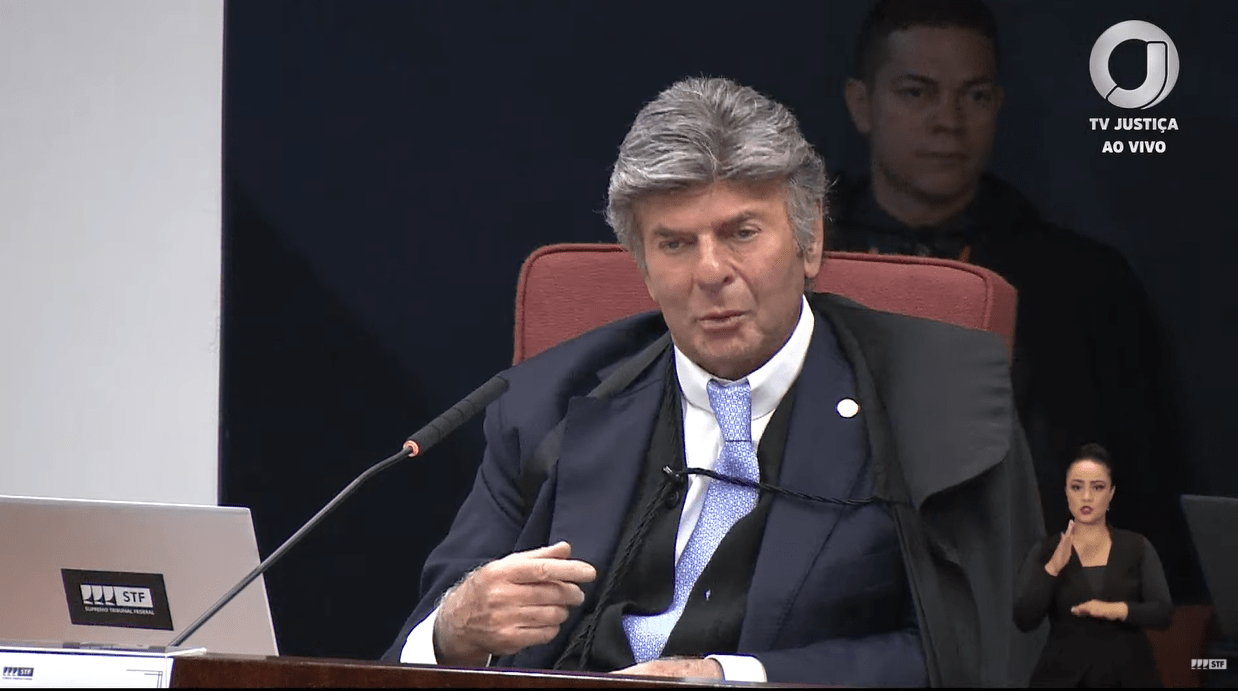
In 2023, the Federal Supreme Court (STF) barred a presidential induction granted the previous year by then-President Jair Bolsonaro (PL) to former Deputy Daniel Silveira, who had been convicted of a crime against the Democratic Rule of Law, one of the charges weighing against the defendants of the current trial. At the time, by voting for the unconstitutionality of Bolsonaro’s act, Minister Luiz Fux argued that this type of crime cannot be an amnesty, even in any decisions of the National Congress.
Dissatisfaction with government, message to the Supreme Court and Plan Tarcisio pack debate on amnesty
Defense of the agenda began to symbolize the consolidation of an electoral coalition to 2026
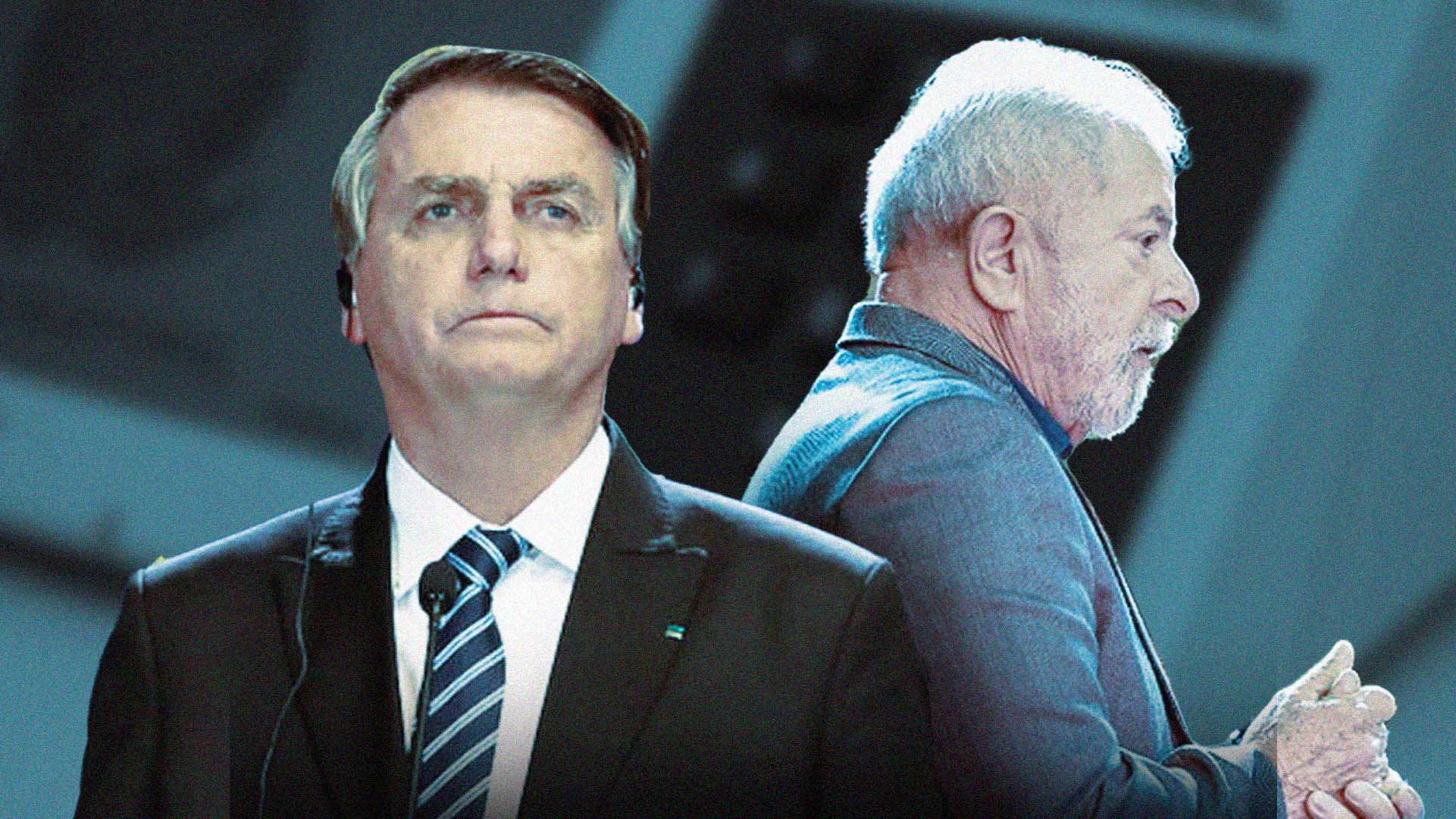
Why will Bolsonaro be tried on the STF – and why wasn’t Lula?
New Privileged Forum rule consolidates institutional turn and changes towards investigations against former presidents
“I understand that a crime against the democratic rule of law is a political and impassive crime of amnesty, since the Democratic Rule of Law is a stone clause that not even the National Congress, through an amendment, can suppress it,” Fux said in May 2023.
Two years later, the issue can be seen again at court in the face of pressure from parliamentarians by the vote of an amnesty to the coup plot’s defendants. After intense negotiation in Congress on a possible forgiveness to those involved on January 8, STF ministers have already passed the message that the initiative, if they prosper in the legislature, must be barred by the magistrates for being unconstitutional.

With the beginning of the trial of the coup plot, the pressure to benefit Bolsonaro and allies increased in Brasilia, even with the admission by the mayor, Hugo Motta (Republicans-PB), that he will discuss the matter later this month. The proposal has gained traction from conversations involving important Centrão figures, who see the chance that Bolsonaro support a candidacy for the presidential presidency of São Paulo, Tarcísio de Freitas, if there is a national concertation in favor of those accused of paying against democratic institutions.
In the case of amnesty under discussion in the legislature, STF ministers see pressure among parliamentarians not so much to benefit Bolsonaro, but to save involved in the acts of January 8. These court members remember that there are in court who admits discussing amnesty, without the former president among the beneficiaries, as a possible solution to “pacifying Brazil”, but they say this is not a majority wing.
