
How did you start? Who protests? What to know about the manifestations in Nepal
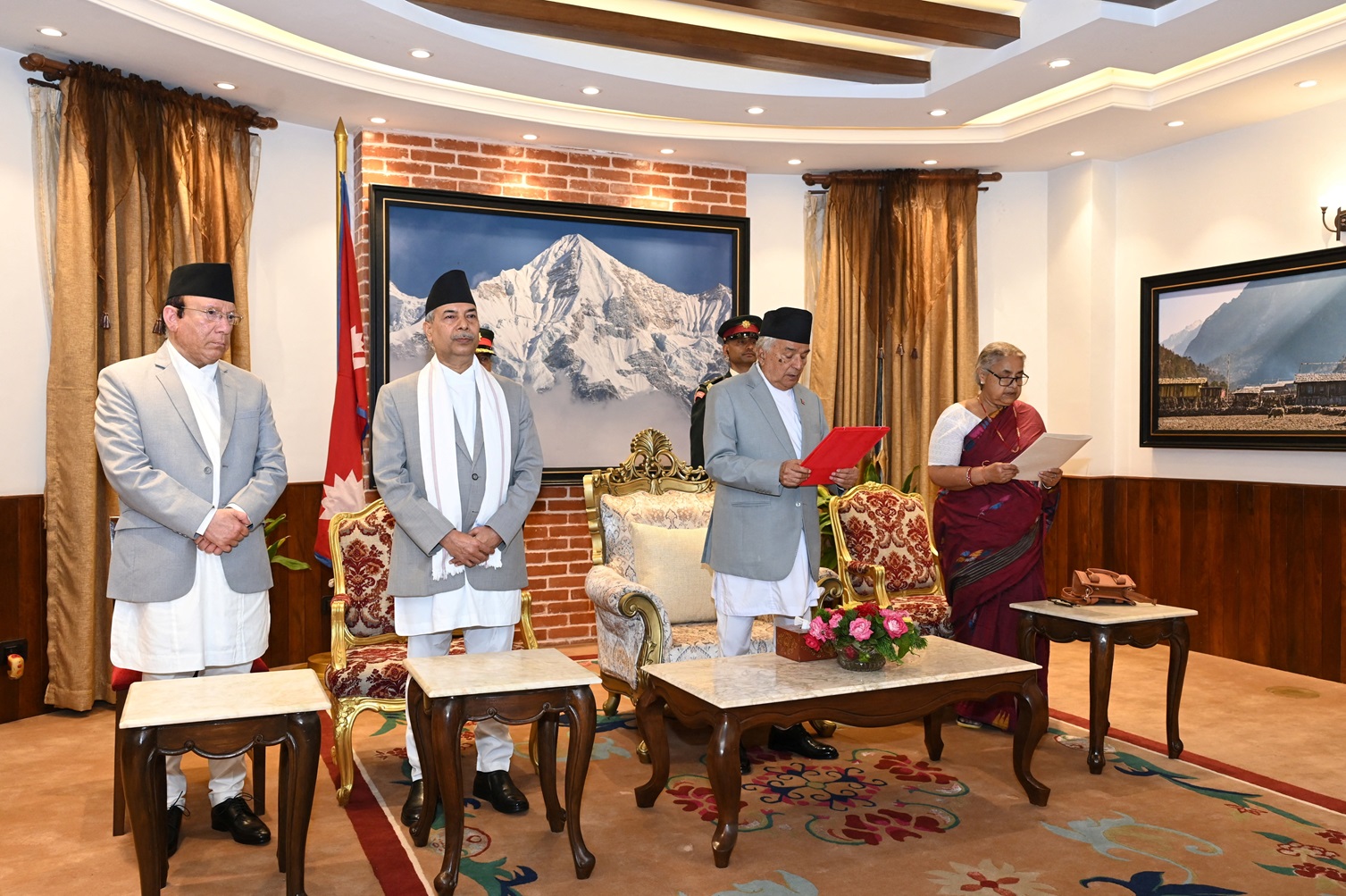
Nepal appointed Sushila Karka, former president of the Nepal Supreme Court as leader of an interim government on Friday, after the revolt caused by bloody repression to protests that overthrow the prime minister.
Sushila Karki, 73, the first woman to hold the position of president of the Supreme Court in the country, has a reputation to face corruption in a deviation -marked society.
Former President of the Nepal Supreme Court is named interim prime Minister after violent protests
Sushila Karki takes office in the midst of the political crisis caused by young people against corruption and restrictions on social networks
Number of dead in protests against corruption in Nepal rises to 51
Among the victims are 21 protesters, nine prisoners, three police and 18 people, said spokesman Binod Ghimire
Days of protests, triggered last week by the ban on social networks, reflected the widespread rabies accumulated over the years in Nepal against official corruption and economic inequality.
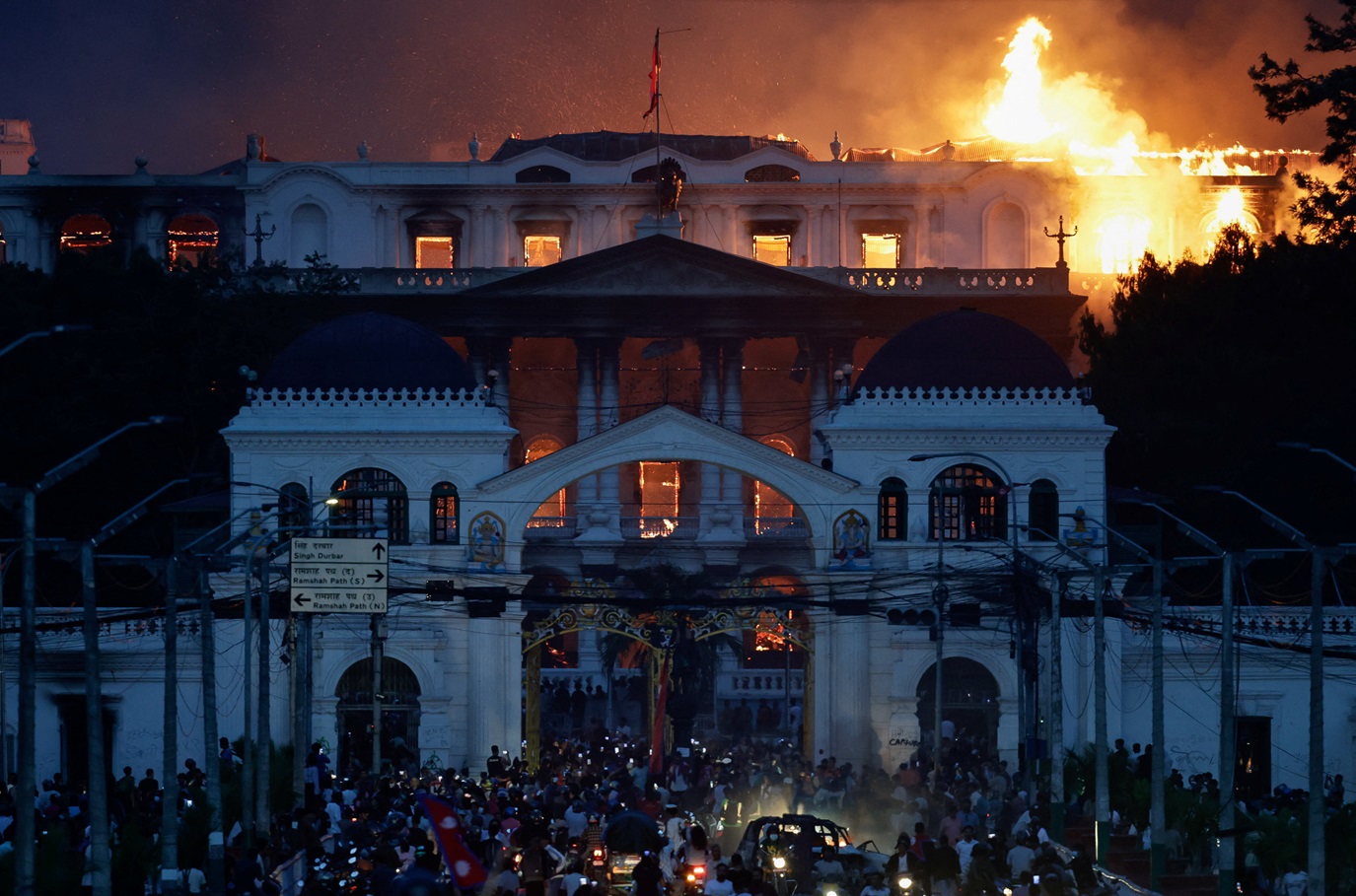
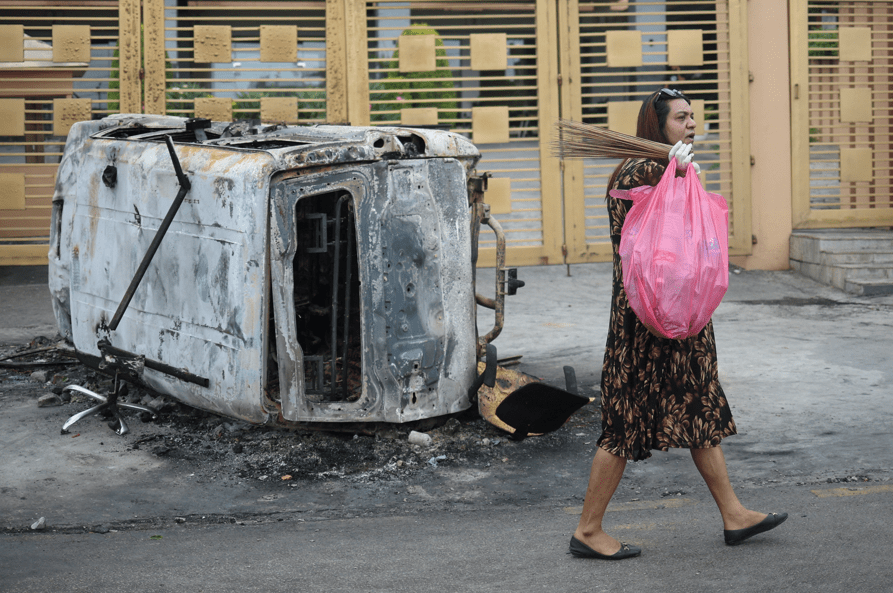
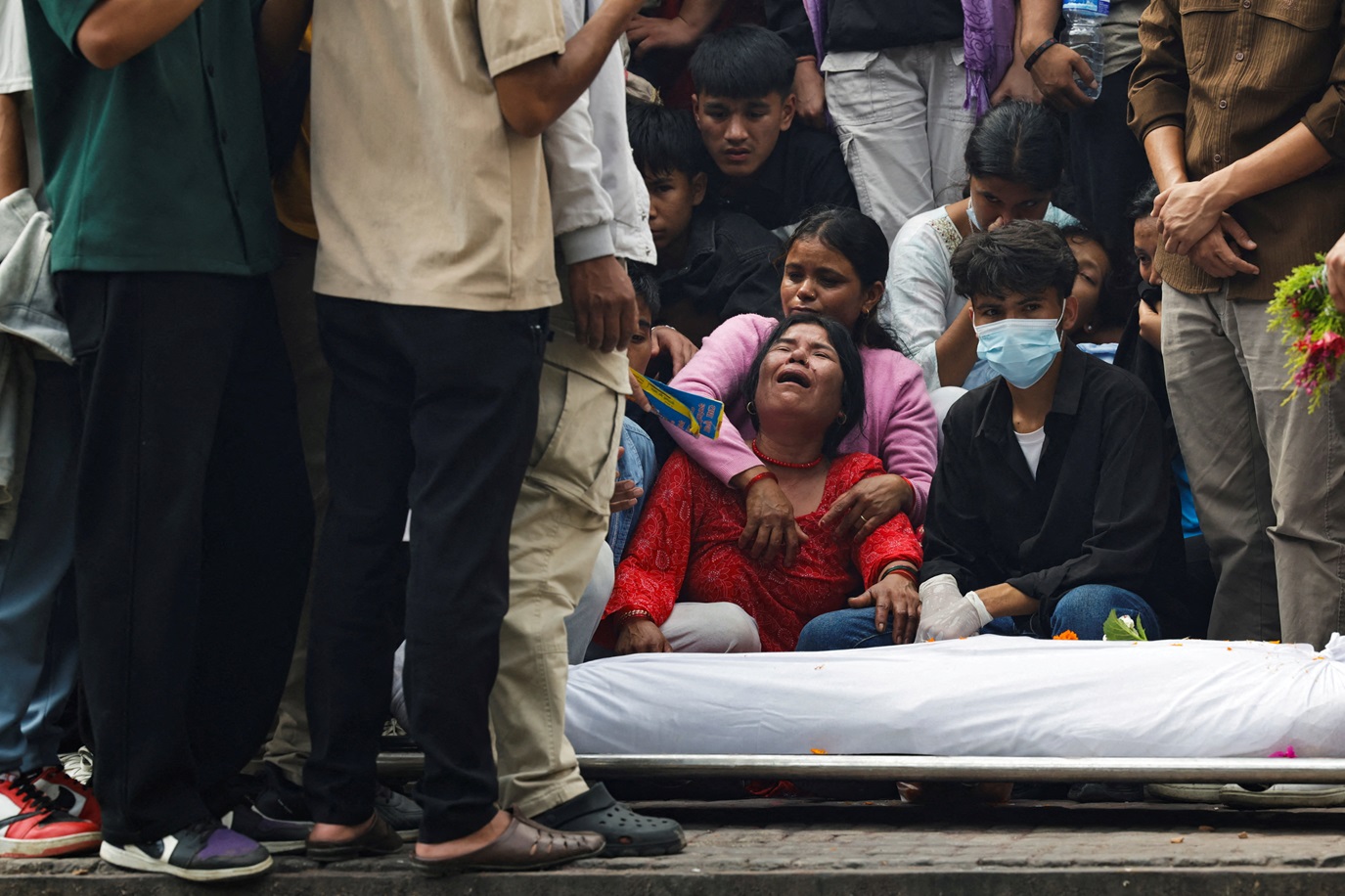
The number of dead in protests rose to 51, including protesters, police, prisoners and others, a police spokesman said on Friday. Incendiary attacks left ruined government buildings, and the army patrolled the capital, Catmandu, while citizens cleaned the wreckage.
Led by adolescents and young adults, the protests have been the broadest in Nepal since the country became a democratic republic in 2008. Fact leaders of the movement, who call themselves generation Z, met with military officers this week and said they supported Sushila Karki, known as the anti -corruption activist.
Who is Sushila Karki?
Sushila Karki, 73, not only faced corruption, but also built a reputation to challenge political stablishment. She has defended women’s rights and inspired young lawyers and judges.
Less than a year after taking office, two of Nepal’s ruling parties attempted their impeachment after she decided to revoke the government’s appointment to the position of Police General Inspector. The attempt, which the UN classified as “politically motivated”, was abandoned after public pressure.
Many Nepalese, especially the actives in the Z generation protest movement, complain that a small elite group can accumulate wealth and advantages for their children.
Sushila Karki told an Indian news channel that she would accept the position because “these young boys and girls asked me, they asked.”
What happened during the protests?
The protests began on Monday in Catmandu and other parts of the country and grew rapidly. In the capital, protesters accused the police of opening fire against multitudes of young people who went to the Parliament Complex and blocked highways.
After a day of deadly clashes, the government revoked on Tuesday the ban on social networks that had caused popular revolt. But this measure has little helped to calm protests.
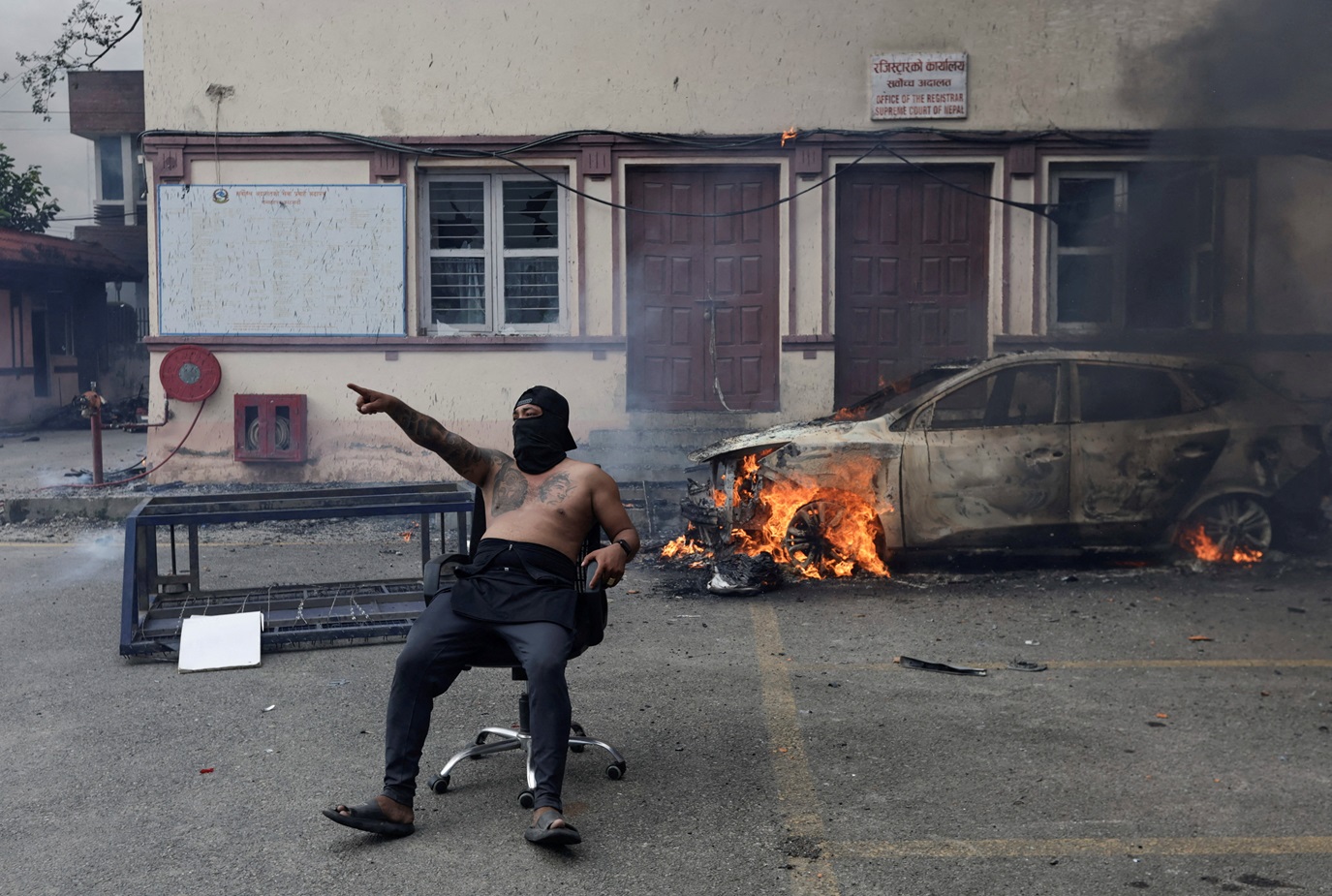
Online, generation Z protesters asked each other who remained peaceful. But some people on the streets have caused destruction by breaking barricades, looting trades and setting on government offices, the Supreme Court and residences of politicians. They burned Singha Durbar, headquarters of the Nepales government, and damaged airports and hotels.
Until Tuesday, the Prime Minister and four other ministers had resigned. That night General Ashok Raj Sigdel, army chief Nepales, appeared in a short video asking for calm on the streets.
His soldiers took control at 10 pm, and violent protests began to decrease as army officers began to dialogue with the movement’s leaders.
More than 1,600 people were injured.
What led to the protests?
The ban on social networks was the fuse. Last week, Nepalese authorities banned 26 social networking platforms, including WhatsApp, Facebook, Instagram and Wechat, after the deadline for companies to meet new registration requirements with the government expires.
The prohibition generated fears that freedom of expression could be restricted to Nepal’s 30 million inhabitants and harm tourism. The blockade on social networks also cut the communication of about 2 million Nepalese workers abroad with their families. Nepal’s economy depends strongly on the remittances of these workers.
Protesters, who do not have a unique leader, describe themselves as the voice of Nepal generation, which is outraged by corruption, unemployment and inequality.
In the weeks preceding violence, hashtag #Nepokids began to be a trend in Nepal in posts showing the luxurious lifestyles of the children of the political elite in a country where most young people struggle to survive.
The indignation was rooted in social and economic problems that had been growing for years, with employment as a central issue. Most Nepalese work without officially registered jobs, especially in agriculture. And unemployment is concentrated among young adults.
Without finding opportunities at home, more than 1,000 young people leave the country every day to fulfill long -term contracts in Persian Gulf -rich countries and Malaysia. Tens of thousands work in India as seasonal migrant workers. Government data show that more than 741,000 people left the country last year, especially to work in construction or agriculture.
The rest of Nepal depends strongly on the remittances sent by these workers abroad. By 2024, the $ 11 billion sent represented more than 26% of the country’s economy.
