
Câmara approves project to take spending on health and education from the fiscal goal
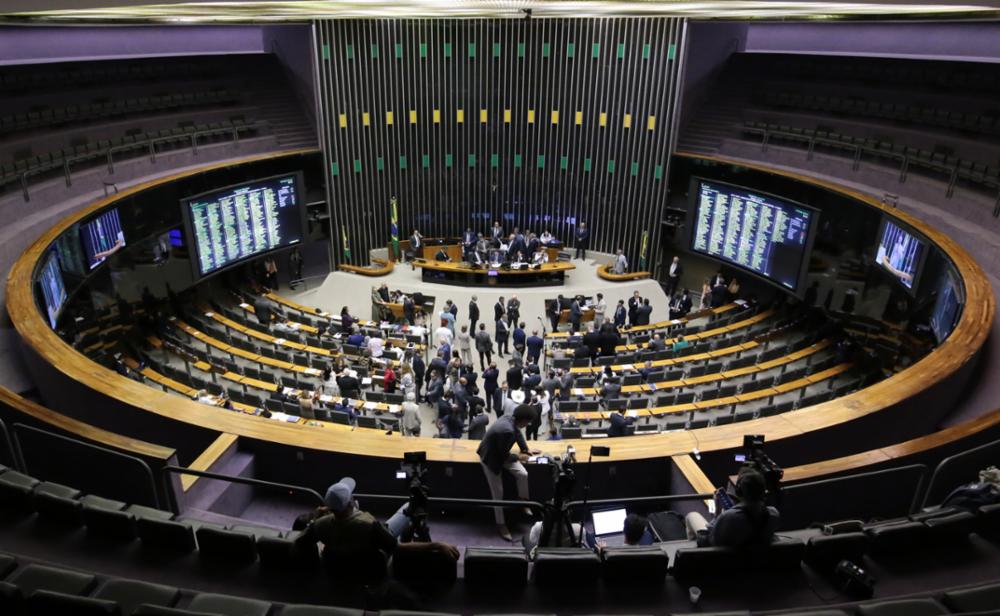
The plenary of the Chamber of Deputies approved on Wednesday night (24), for 296 votes to 145, the base text of the project that removes from the fiscal target and the spending limit about R $ 1.5 billion in resources from the Social Fund (FS), allocated annually to education and health programs. The deputies now analyze highlights presented to the text.
In addition to dealing with the social fund’s resources for health education programs, the project also excludes from the ceiling the expenses made with international loans and their respective counterparts. As showed the Political BroadcastCongress budget technicians consulted by the report estimate that these expenses totaled about R $ 2.5 billion in 2024. The counterparts in the year total R $ 37.9 million.
The proposal’s report was read last week by Deputy José Piante (MDB-PA), who argued that, without change, it may be necessary to cut other discretionary expenses, including within health and education. The proposal is authored by the 2026 budget rapporteur and MDB leader in the House, Deputy Isnaldo Bulhões (AL).
Free list
10 Small Caps to Invest
The list of actions of promising sectors of the Scholarship
Earlier, the Senate approved the bill that enables the provisional measure (MP) of the package to help the companies affected by the United States tariff, with an amendment to incorporate part of the Bulhões text.
In the Plenary Opinion, Priante classified the proposal as a meritorious due to the need to “ensure” that the resources of the temporary linking of 5% of the social fund are “in fact, intended” for health and education.
“If this amount is not contingent and without the provisions of this PLP, this R $ 1.5 billion will result in the equivalent amount of discretionary spending. Thus, without the approval of these changes in the new tax framework, the binding of social fund resources could be compensated for reducing other discretionary expenses, including within health and education,” he said.
In the plenary session of Wednesday, 24, Bulhões argued that his project is “simple”, arguing that it makes sense to increase the investment of 5% of the Social Health and Education Fund if it is out of the framework. “If there is no legal condition to increase the appeal as the intention of the legislator,” he said, arguing that the text does not contain “impairment from the fiscal and economic point of view to the detriment of the benefit that will bring to the population.”
The leader also argued that the project “rescues original text” of the framework, mentioning a “more taxpayer than the necessary” spirit of the rapporteur Claudio Cajado (PP-BA) to include, on the spending ceiling, “resources from the capture of credit operations that come from abroad”. According to Bulhões, the framework prevents such a resource from being transformed into roads, ports, viaducts.
Earlier, a stamp supported by the House Plenary Tribune that the project “weakens public accounts”. “The concept of the framework is to leave all expenses embedded on the basis of expenses. Every time the government proposes a measure, or it is to increase spending or to exceptionalize the expense. And this fulminates with death the principle of the fiscal frame,” he said.