
Real will sustain gains against the dollar in 2025, despite fiscal risk
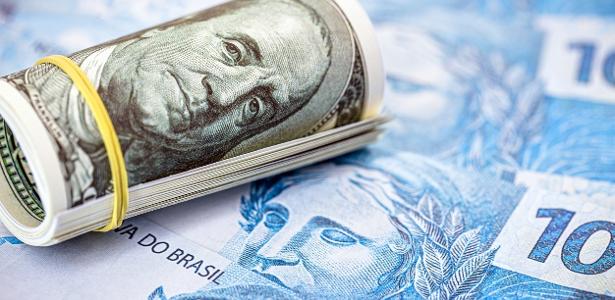
Fiscal instability drives investments away from Brazil and weakens the real. Problems related to the increase in public spending result in uncertainties that reduce the country’s credibility. The adverse scenario directs the eyes of foreign investors to currencies from countries that offer less risk and greater capacity to meet their financial obligations, such as the dollar.
Increased government spending without alternatives for compensation motivates fears. “The Income Tax exemption, the idea of zeroing bus fares and the gas voucher bring concern to the market”, says Jacques Zylbergeld, foreign exchange superintendent at Banco Rendimento.
The government’s defeat in an attempt to compensate for the increase in the IOF makes the situation worse. The loss of validity of MP (Provisional Measure) 1,303, published to close the 2026 Budget, will result in a revenue loss estimated at R$17 billion next year. “This is one of the reasons for the depreciation of the exchange rate in recent days”, assesses Luciano Costa, chief economist at Monte Bravo. He foresees the immediate announcement of new measures to make up for any losses.
Fiscal risk has grown and may become increasingly present. Furthermore, the seasonality of the exchange rate at the end of the year is not favorable. There are many outflows of remittances of profits and dividends and payment of services and transport with international travel and freight.
Luciano Costa, chief economist at Monte Bravo
Devaluation equal to that in the last quarter of 2024 is unlikely. In the last three months of last year, the price of the US currency rose 13.45% against the real. The appreciation was driven precisely by fears of non-compliance with the goals of the fiscal framework.
Despite the fiscal risk, the global scenario remains favorable to Brazil. “We don’t see room for an increase in the dollar now. On the contrary, we see the maintenance of the current level and some analysts are expecting a fall in the price”, assesses Nelson Rocha, president of Banco de Ribeirão Preto.