
3,300 years old, Egypt’s most famous tomb is collapsing
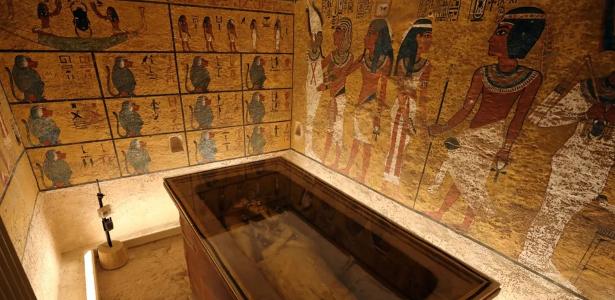
The tomb of Pharaoh Tutankhamun in Luxor’s Valley of the Kings is in its most fragile state since its discovery in 1922. A Cairo University study reveals that cracks are spreading across the ceilings, while moisture and fungi slowly erode the 3,300-year-old murals.
What happened
Alert was published in May 2025 in the scientific journal Nature. The author, Professor Sayed Hemeda of Cairo University’s Faculty of Archeology, says the site “has been subjected to long-term impacts, both from sudden flash floods and from a major geological fault.” According to him, these forces “have caused different degrees of instability and damage, which have been getting worse over time.”
Made of Esna schist, a rock that expands and contracts with humidity, the tomb suffers from the advance of humidity and internal pressure. The research identified a structural flaw that runs through the ceiling of the entrance and burial chambers, allowing rainwater to infiltrate. This fissure is the critical point of instability.
