
Anti-faction PL is approved in the Chamber with a large majority
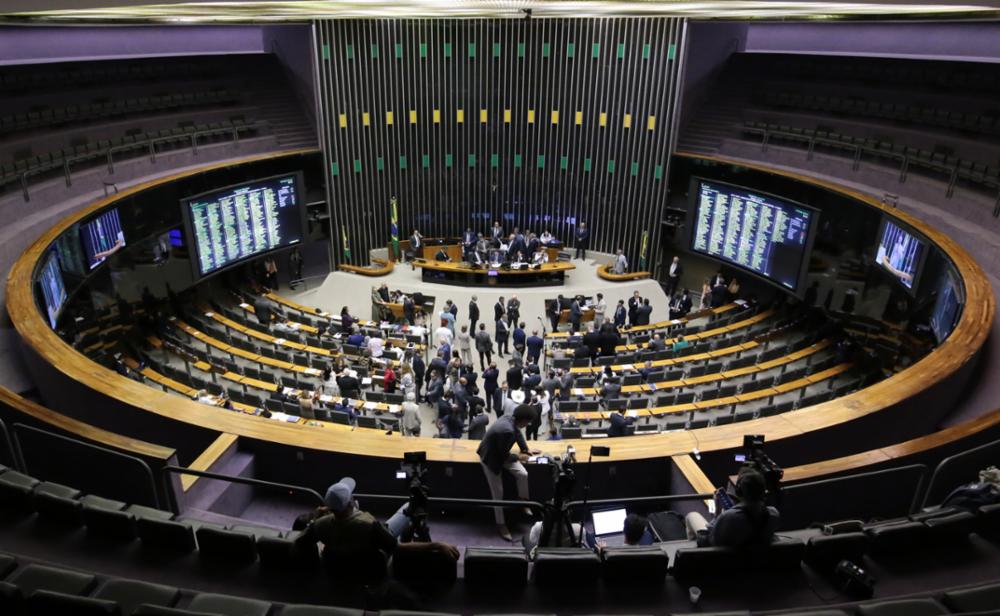
The Chamber of Deputies approved the anti-faction bill on Tuesday night (18). The PL will now go to the Senate, where it will have Alessandro Vieira (MDB-SE) as rapporteur.
The proposal was approved with 370 votes in favor, 110 against and three abstentions. Now the highlights will be voted on.
The sixth version of the text by rapporteur Guilherme Derrite (PP-SP) was approved. He took leave from his position as Secretary of Public Security for the state of São Paulo especially to report on this project.
PL Antifaction: PF Summit thinks that Derrite’s new text ‘decapitalizes’ corporation
Report states that all resources will go to the National Public Security Fund
Previous versions of the PL were resisted and forced Derrite to change the text, leaving aside points such as the equation of criminal factions with terrorist organizations.
The approval was a defeat for the federal government, which tried to postpone the vote on the project and remove Derrite from the position of rapporteur, but ended up defeated.
This Tuesday morning, the rapporteur refused to meet with the ministers of Justice, Ricardo Lewandowski, and the Secretary of Institutional Relations, Gleisi Hoffmann.
While the opposition celebrated the approval, government supporters criticized a particular section that, according to them, decapitalizes the Federal Police.
Shortly after the end of voting, the president of the Chamber, Hugo Motta (Republicanos-PB), gave a speech celebrating the approval of the proposal. “The real villain is organized crime and the hero is the Brazilian people. On this date the Chamber of Deputies makes history”, he said.
What the approved version of the text says
The PL’s basic proposal was sent by the federal government, but the text was changed several times by rapporteur Guilherme Derrite.
The final approved text toughens penalties and creates criminal offenses for crimes committed by faction members.
In the article that describes the conduct classified as “crimes committed by members of an ultra-violent criminal organization”, the respective penalties and aggravating factors are listed. In this excerpt, Derrite proposed yet another hypothesis to increase the sentence of potential defendants: when the “crime is committed with the aim of obtaining economic advantage from the illegal extraction of mineral resources or unauthorized economic exploitation”.
Derrite also detailed the rules on custody hearings via videoconference, providing, for example, that all prison establishments will have their own rooms, “with the provision of stable videoconference mechanisms”.
The rapporteur also made an adjustment to the wording regarding the extraordinary loss of assets. Now, the measure is expected to be applied when “the illicit origin of the asset remains clear, regardless of criminal conviction”, nor does there need to be a risk of dissipation of assets.
*With information from Estadão Conteúdo.
