
More Brazilians expect a more abundant Christmas dinner, according to research

Genial/Quaest research released this Saturday, 20th, shows that the number of Brazilians who believe that this year’s Christmas dinner will be more abundant than last year has grown. The percentage rose from 20%, in December 2024, to 23%, in December 2025. At the other end, 37% believe that dinner will be less plentiful (it was 39% last year) and 36% believe that it will be equally plentiful (it was 38%). 4% of those interviewed did not know or did not respond.
In the stratification by vote for President of the Republic in the second round of the 2022 elections, voters of the President of the Republic, Luiz Inácio Lula da Silva (PT), are more optimistic about Christmas dinner: 36% think it will be more plentiful this year, 36% believe it will be the same as last year and 25% believe it will be less plentiful.
TRF-1 maintains compensation of R$400,000 to Dilma for torture and sets monthly payment
The panel understood that the former president was a victim of political persecution during the military dictatorship, a period in which he suffered imprisonment and physical and psychological torture
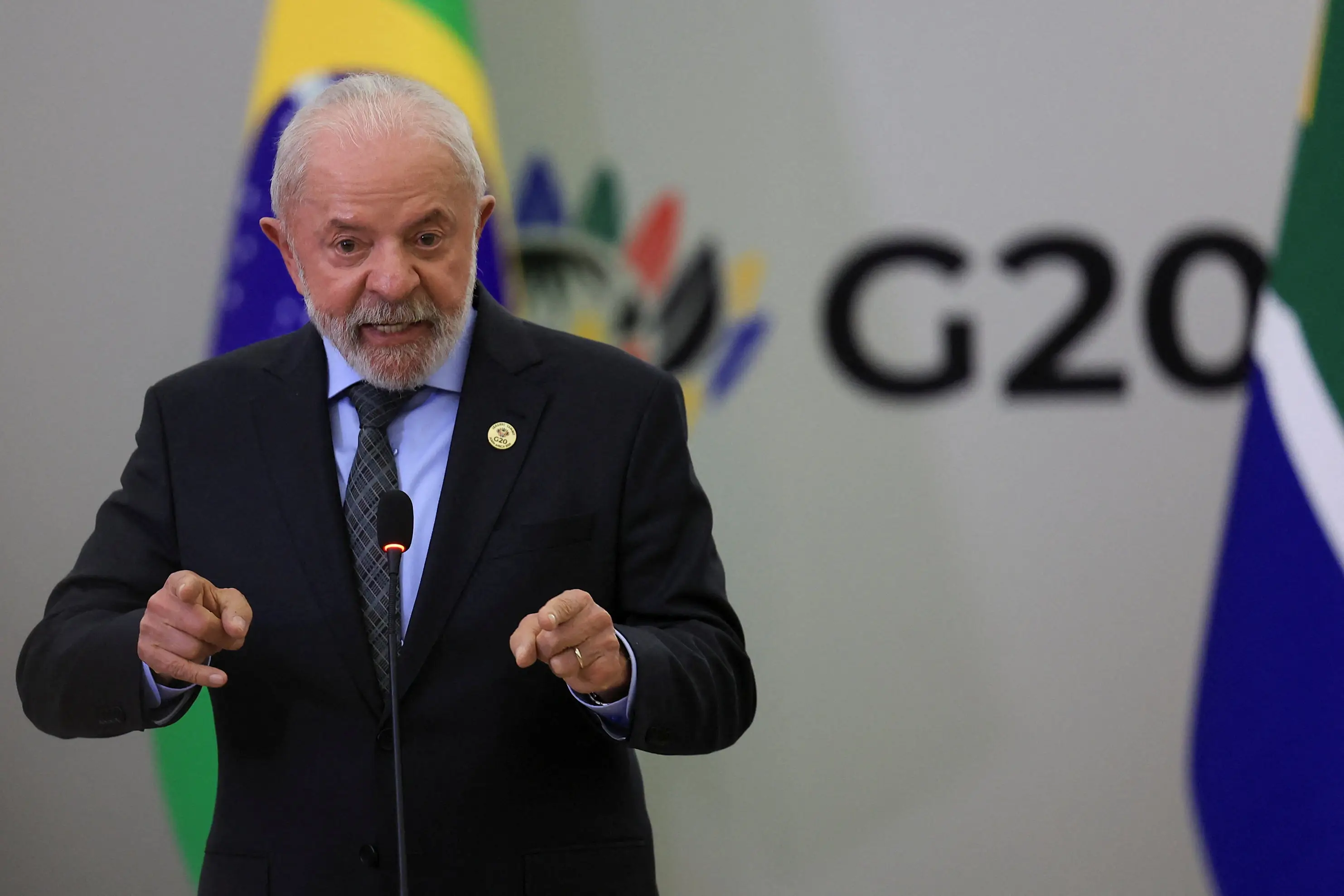
Lula: Mercosur will be able to reach agreements that we cannot achieve now in 6 months
President opened the organization’s 67th summit this Saturday
Among voters of former president Jair Bolsonaro (PL), only 8% believe that this year’s supper will be more plentiful and 52% project a less plentiful supper, while 37% responded that it will be the same as the previous year.
Gifts
Regarding the purchase of gifts, 19% think that people will buy more, 27% that they will buy the same as in 2024 and 50% said that purchases will be smaller.
Meeting with family and political discussions
The vast majority are expected to get together with their family this Christmas, 85%. Only 13% responded negatively. The percentage who responded that a family member will stop attending Christmas gatherings because of politics remained at 11%.
Regarding the fear that political discussions will arise and disrupt the festivities, 10% said they were very afraid, 11% said they were somewhat afraid and 76% said they were not afraid at all. 3% of those interviewed did not know.
2,004 face-to-face interviews were carried out, through household collection, in the five regions of the country. The questionnaires were administered between December 11th and 14th and the research reliability level is 95%.
In the scale of political positions presented, 32% of respondents declared themselves independent, while 19% said they were Lulistas and 14% said they belonged to the non-Lulista left. On the other side of the spectrum, 21% declared themselves members of the non-Bolsonarist right and 12% said they were Bolsonarists. Only 2% did not indicate that they fit into any position.