
“The market has entered for good”: why concessions have become a key element for the government
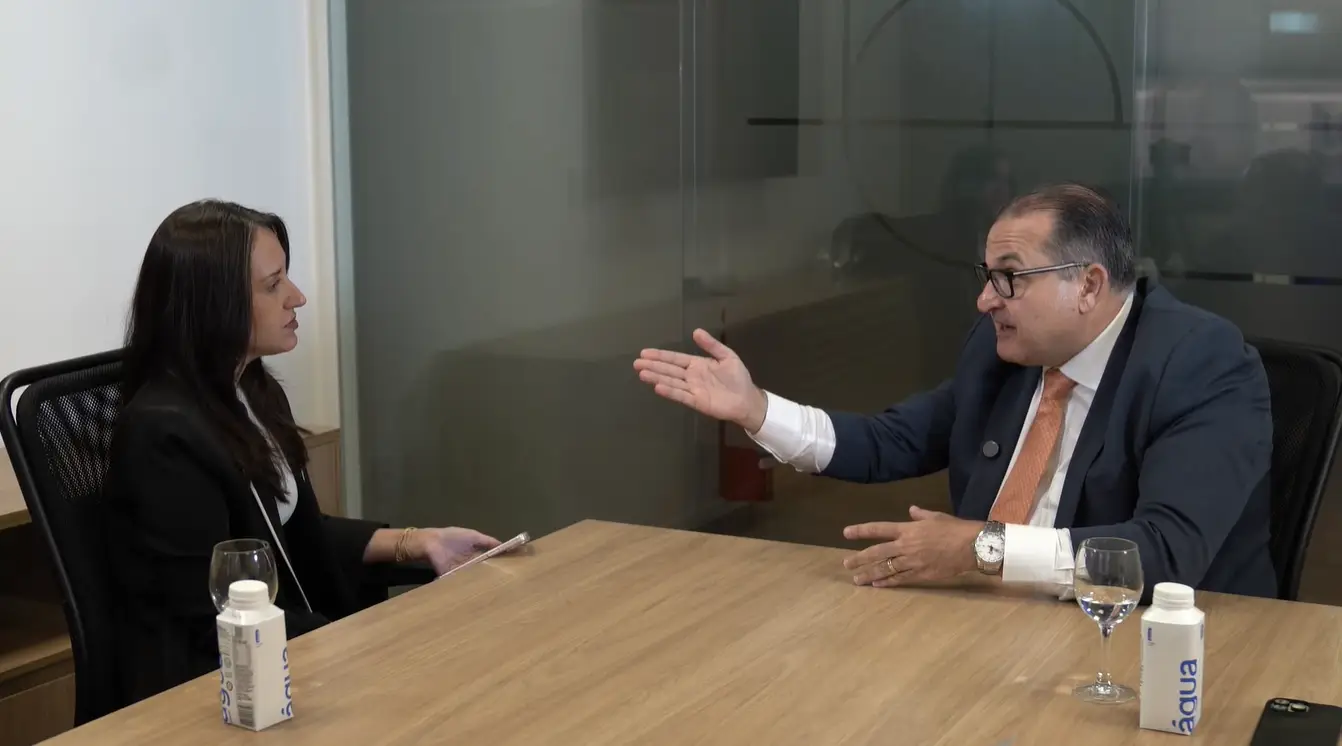
Auctions and concessions began to occupy a central role in the federal government’s economic agenda. More than transferring assets to the private sector, the strategy has been to use these partnerships to facilitate investments, reduce logistical bottlenecks and sustain production growth.
This is the assessment of the executive secretary of the Ministry of Transport, George Santoro, in an interview with InfoMoneyfor whom the current cycle marks a change in the way the State relates to the market and long-term financing.
According to him, the government structured an unprecedented portfolio of projects to give investors predictability and attract private capital. “After many years, the federal government presents a portfolio, a railway pipeline,” he stated.
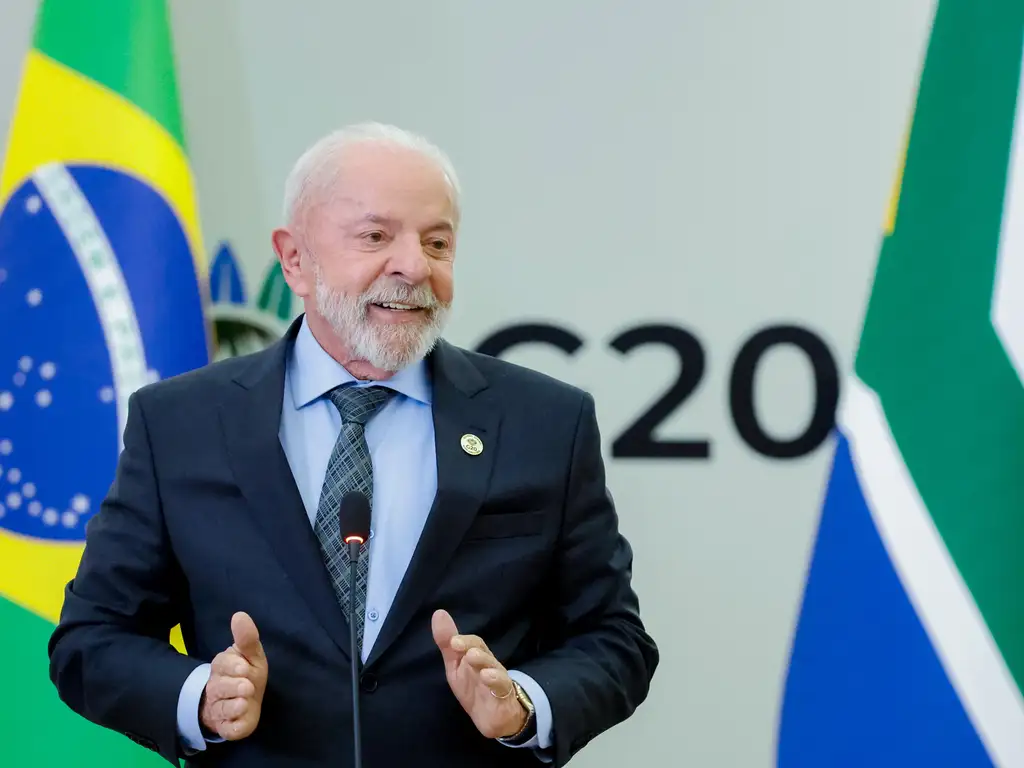
Lula: Endorsement of the Mercosur-EU agreement is a “historic day for multilateralism”
Without mentioning American President Donald Trump, Lula classified the achievement as a counterpoint to protectionism
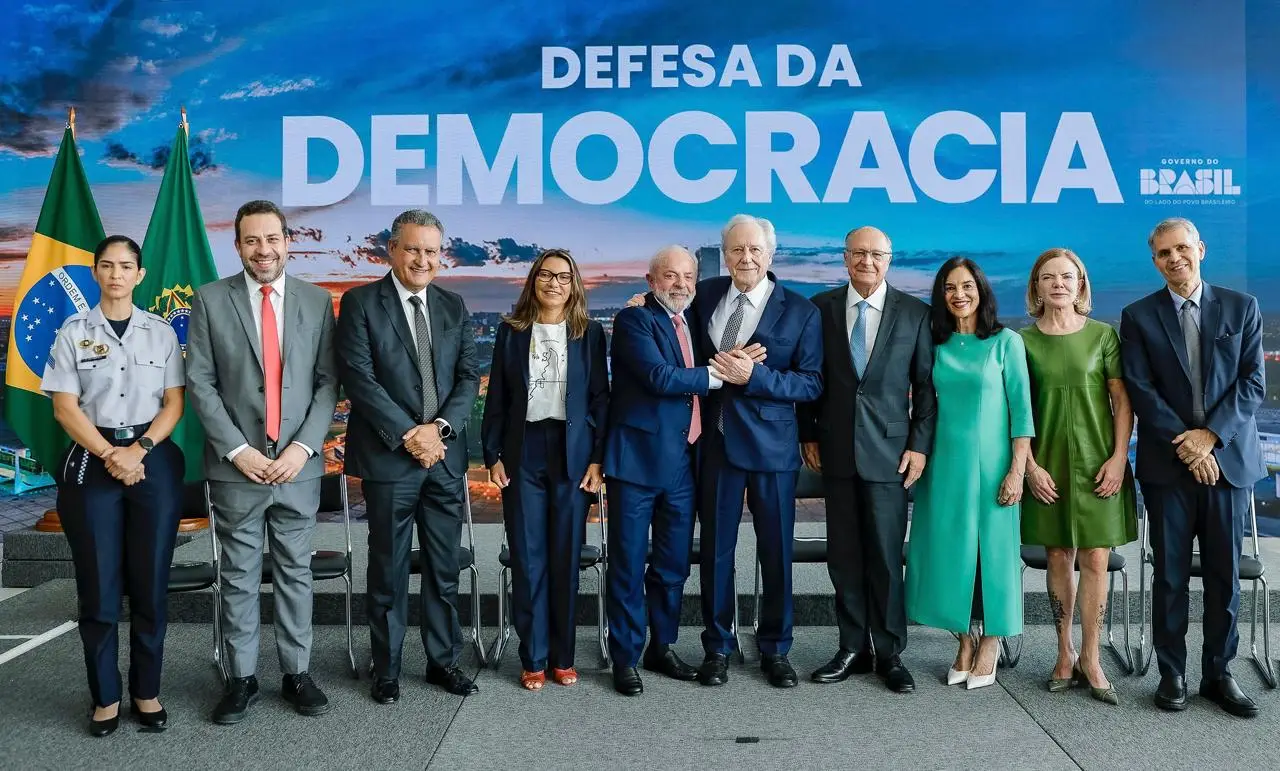
With Lula’s veto, Congress has 30 days to decide the future of the Dosimetry PL
To override a presidential veto, at least 257 votes are needed in the Chamber and 41 votes in the Senate
Santoro recalled that, in recent decades, the country held few railway auctions and, in general, they focused on small sections already initiated by the public authorities. Now, he says, the scenario is different, with bigger and more ambitious projects. “The Southeast Railway Arch is the biggest project greenfield (development started from scratch) in the history of Brazil.”
Scale and predictability
The strategy, according to the secretary, involves giving scale and clarity to the pipeline. For 2026, the ministry foresees 14 road concessions and eight railway concessions ready to go to auction, with investments estimated at around R$300 billion.
“In three years of government, we will reach R$260 billion in contracted capex,” said Santoro. He stated that this volume exceeds the total invested in transport until 2022, estimated at around R$170 billion.
For the government, the size of this cycle is relevant, but the model adopted is even more important. “Of the 22 auctions, 16 different groups won”, stated the secretary, highlighting the greater diversity of operators and financiers.
According to him, the financial sector began to participate more directly in projects, whether in the winning consortia or in structuring the financing. “Practically in all auctions, financial institutions, funds or banks are participating.”
More market
Santoro also highlighted the change in the role of BNDES within this arrangement. “Today, it operates without subsidies, using market products and competing with other banks,” he stated.
According to him, the public bank’s participation in financing concessions fell from around 90% in the past to between 40% and 45% currently, with the remainder coming from private solutions. “This shows a maturity in the market that we didn’t have before.”
In the secretary’s view, concessions and privatizations are no longer just collection instruments and have started to function as economic policy levers. He cited the renewal of the FCA concession as an example of this change.
“Money from the sector stays in the sector. Money from the sector does not go to the inspector”, he stated. For Santoro, in the old model, the high collection of concessions ended up deteriorating assets and reducing the efficiency of the network. “What is most valuable is generating resources without harming assets.”
Legal security
Another central point of the strategy is legal security. Santoro stated that the government invested in mechanisms to reduce legal disputes and provide predictability to contracts. “We have arbitration, dispute boardconsensual solutions at TCU, conflict resolution chambers at AGU”, he said.
For him, this is essential in contracts that can last from 35 to 99 years. “It is not possible for confusion not to appear in the midst of all this time”, he stated, defending faster instruments for rebalancing.
This structure, according to the secretary, has been decisive in attracting foreign investors. He cited the entry of Spanish and French groups, in addition to the Mota-Engil consortium, with Portuguese and Chinese capital, and said that there is growing interest from Mexican and Chinese companies in the upcoming auctions. “The outlook from abroad has changed in relation to Brazil.”
Risks to unlock projects
Santoro also highlighted that the government started taking risks that previously made concessions unfeasible. He cited BR-381, which had four auctions abandoned before moving forward.
“The government assumed the risk of expropriation and the geological risk of a very complex stretch,” he said. According to him, the change unlocked competition and allowed the investment to finally get off the ground.
In the secretary’s assessment, the combination of a robust portfolio, clearer rules and greater participation of the financial market transformed the concessions into strategic partnerships for the State.
“Today, Brazil has the largest pipeline of highway and railway concession projects in the world,” he stated. For Santoro, this model is essential to reduce logistical costs, increase competitiveness and sustain the country’s role as a major global food supplier. “This will not change in the next 20 years, and infrastructure needs to keep up with this growth.”