
Flávio consolidates base and leaves dialogue with the center for later, says political scientist
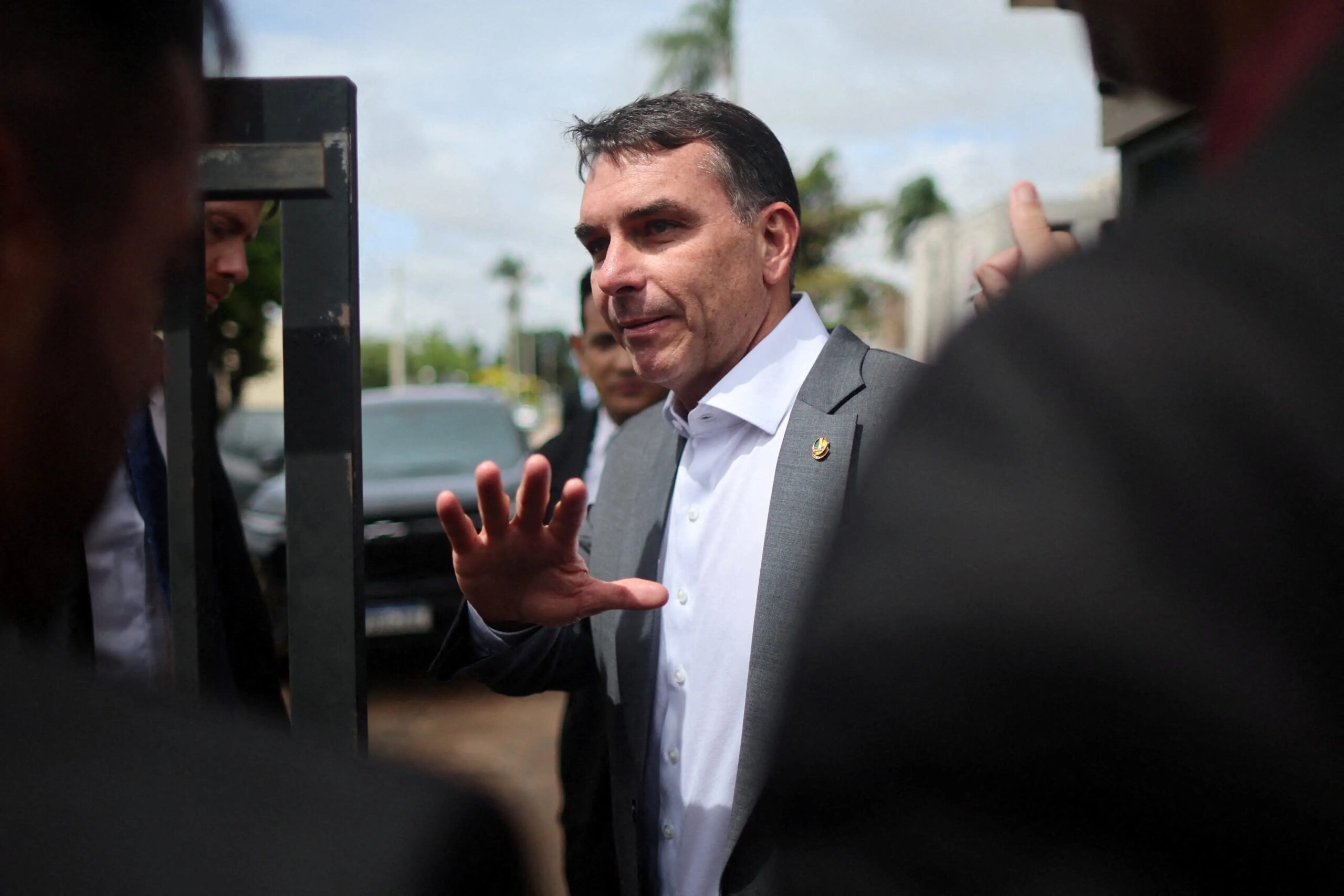
Flávio Bolsonaro’s (PL) electoral strategy for 2026 has followed a clear script: consolidating root Bolsonaroism before any movement towards the political center. The assessment is by political scientist Josué Medeiros, professor at UFRJ and coordinator of the Political and Electoral Observatory, who sees the senator’s pre-campaign as a concentrated effort to “organize his own troops” and resolve the right-wing internal dispute before the election itself.
In the analyst’s reading, Flávio acts according to the classic logic of candidates who already have a consolidated electoral core. “He needs to get there in March with something around 25% to say: ‘now it’s me’”, says Medeiros, in reference to the deadline for decompatibilization and the moment in which the correlation of forces within the Bolsonarist camp tends to be defined.
“He cannot arrive in February and this has been reversed”, he says.
Flávio Bolsonaro is frustrated after not meeting Marco Rubio on a trip to the United States
The attempt, however, would not have sounded good among Centrão names, who still view the support for the senator with reservations, despite considering the undertaking ‘irreversible’
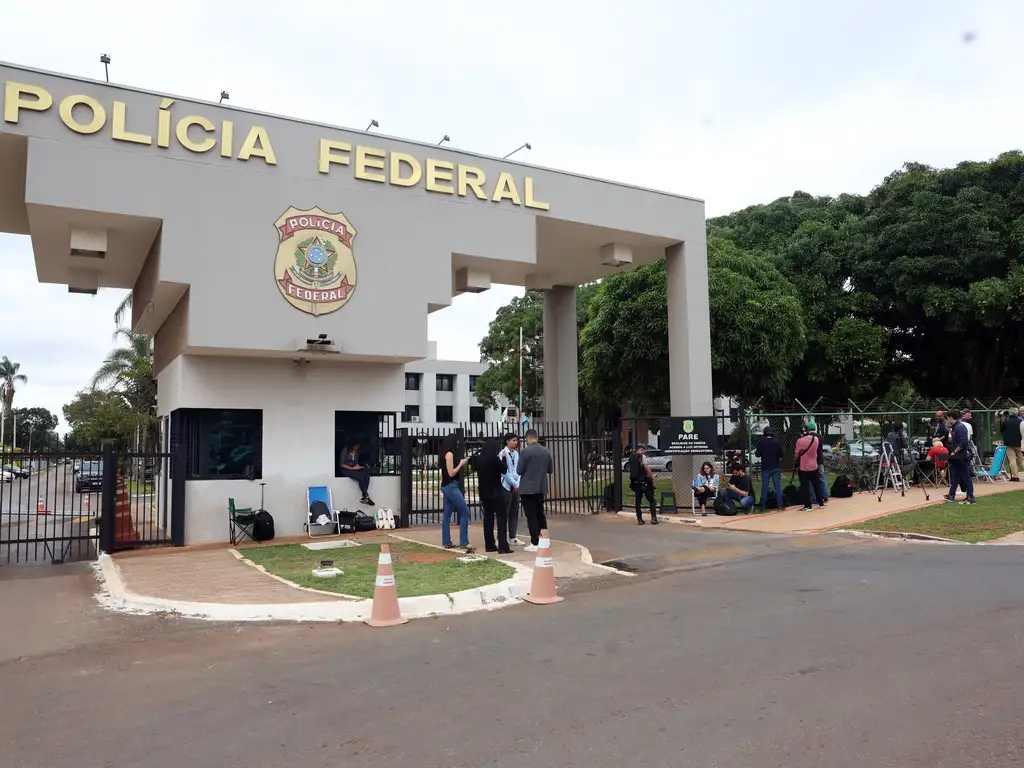
Carlos Bolsonaro says doctors were called to prison after his father’s health worsened
In a post, his son states that Bolsonaro has bouts of vomiting and heartburn and says that the defense asked the STF for humanitarian house arrest
The priority, therefore, is not to convince new voters, but to prevent names like Tarcísio de Freitas (Republicanos-SP) or Romeu Zema (Novo-MG) from advancing on the Bolsonarista electorate.
“Flávio has the votes. Why is he going to hand this over to another candidate?”, asks Medeiros, highlighting that the voluntary transfer of votes is not part of the electoral logic.
This strategy would help explain the senator’s recent movements, such as the intensification of agendas with the evangelical electorate, interviews with influencers aligned with Bolsonarism and explicit signs of continuity of his father’s political project, Jair Bolsonaro.
According to the political scientist, “all of Flávio’s movements are now to organize his own troops”, with the aim of reaching the formal start of the presidential race without relevant internal contestation.
One of the most evident examples of the option to speak primarily to the hard core of Bolsonarism is the symbolic appointment of Eduardo Bolsonaro to Itamaraty in a possible Flávio government.
For Medeiros, the gesture functions as direct political signaling. “He is giving a lot of messages to the Bolsonarist base,” he stated.
Internal dispute
For Medeiros, the opposition has not yet resolved its main equation. “It’s not yet certain that Flávio will be able to displace Tarcísio or Zema”, he says. Still, he assesses that, once on the field, the tendency is for the senator to impose himself over others. “When Bolsonaro enters the field, the tendency is to defeat these other postulations”, says the political scientist, mentioning the weight of his surname and loyal base.
In this context, the bet is clear. “There is no one, in the history of elections, who has votes and gives them up in the name of a hypothetical chance in the second round,” says Medeiros. The strategy, according to him, is to arrive at the start of the campaign strengthened, even if this means facing broader resistance later.
Research cited by the scientist shows Flávio Bolsonaro appearing ahead of other names on the right in spontaneous scenarios, while governors with good regional performance do not even score in this group. For Medeiros, this data reinforces the senator’s conviction that the internal dispute is within his reach, as long as he manages to keep the base cohesive until the first semester.
Center on hold
The option to postpone dialogue with the political center has obvious side effects. By not investing, for now, in reducing rejection, Flávio makes it difficult to build broader alliances, especially with Centrão parties. Still, Medeiros assesses that this is not the senator’s focus at the moment.
“He’s not just thinking about 2026, he’s even thinking about 2030,” he says. “Flávio is a very young politician. He is not just thinking about this election”, he added. The reading is that a presidential candidacy, even without victory, can serve to consolidate national leadership and preserve political capital for the future, especially in a scenario in which Lula will no longer be in the race.
While Flávio focuses his efforts on the base, centrist parties and governors tend to adopt a more pragmatic stance, prioritizing state disputes. According to Medeiros, Centrão is already starting to calculate this. “Now they will start looking at the states. Centrão will think about what to do to save its own skin in each state”, he states.
In the scientist’s assessment, radicalization at the national level pushes these parties towards a defensive logic. “They had more prospects of winning with other names,” he says. Given Flávio’s consolidation, the tendency is to free up platforms or allow different alliances depending on the local context.
The consequence is an increasingly fragmented board. For Medeiros, by prioritizing ideological loyalty and confrontation, Flávio contributes to an election in which the center plays mainly in the states. “The national dispute becomes more polarized, while the real Centrão game becomes regional”, he states.