
PF delegates point out ‘manifestly atypical’ scenario in inquiry into Master
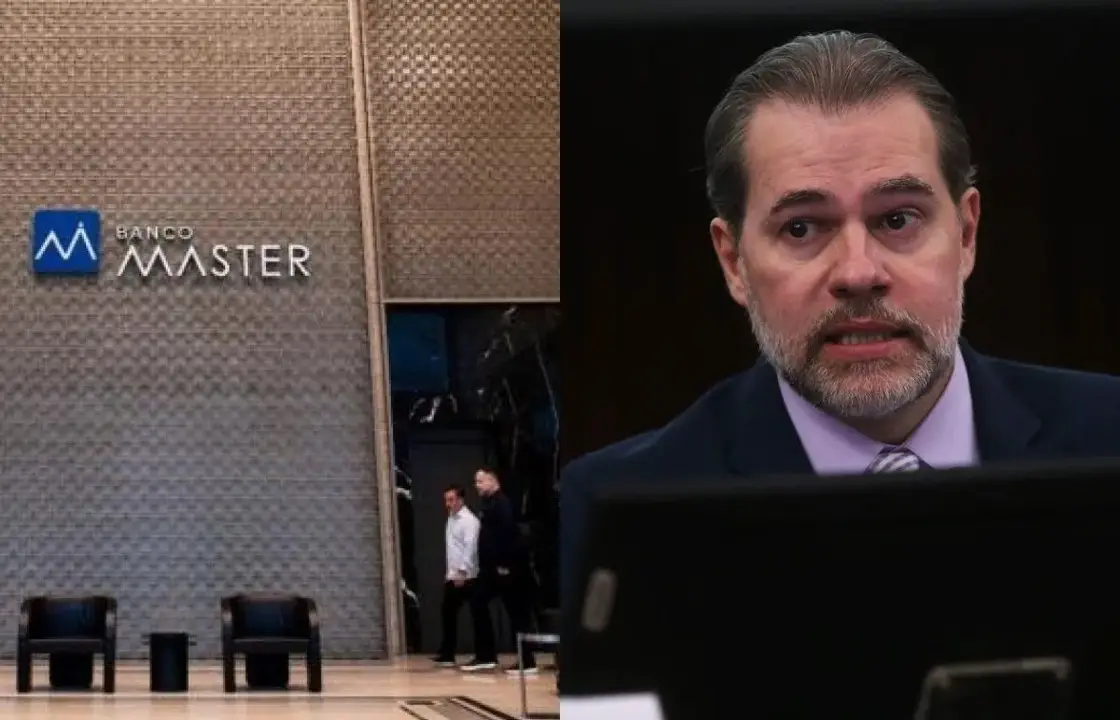
Delegates from the Federal Police (PF) say they are highly “concerned” with the progress of the investigation into the Master case due to “indications” that the prerogatives of the class “have been unduly mitigated”. In a note released this Saturday (17), the class reacts to the “manifestly atypical” scenario in the investigation reported by Minister Dias Toffoli, of the Federal Supreme Court. According to the group, this context causes “legitimate institutional perplexity”.
The demonstration is signed by the National Association of Federal Police Delegates, which says it hopes that the PF and the Federal Supreme Court can “reestablish harmonious, cooperative institutional action strictly guided by the legal system”. The note does not directly quote Toffoli, but makes reference to the judge’s decisions.
The delegates highlight that, in the context of the investigation into the Master case, confrontations and “strict deadlines for searches and seizures and inquiries” were determined. According to the group, such procedures take place “outside the investigative planning established by the police authority”.
Made for you!
In December, Toffoli even arranged a confrontation between the Central Bank, the owner of Master, Daniel Vorcaro, and the former president of BRB, Paulo Henrique Costa. In the end, the BC representative was dismissed from the procedure. Furthermore, Toffoli expressed discomfort with the PF and attributed the corporation “inertia” in opening the second stage of Operation Compliance Zero.
READ MORE:
- How to receive FGC reimbursement: see complete step by step
- Understand what the Credit Guarantee Fund (FGC) is
- What is the maximum amount guaranteed by the FGC? See the rules
- What is the deadline to receive FGC amounts?
- Master Bank: who will receive the FGC amounts first?
- Which products have an FGC guarantee? See the list
The note from Federal Police delegates also mentions determinations about the forwarding of materials to “other bodies” and the nominal choice of experts to carry out examinations on the objects seized with the Zero Compliance targets.
This indication, in turn, refers to a series of decisions by Toffoli: initially the minister determined that the objects seized in the second stage of the offensive were sent to the STF; then, there was a retreat, with the order that the objects be sent to the Attorney General’s Office; Finally, erites were chosen to analyze the materials. However, according to the ADPF, not even within the corporation, the appointment of experts occurs by personal or nominal choice.
In this context, the delegates maintain “an affront to the prerogatives legally conferred” on the class for “the technical, impartial and efficient conduct of the criminal investigation”. The group also maintains that such a scenario even compromises the “adequate and complete elucidation of the facts under investigation”.
The note released by the ADPF highlights that the STF “is responsible for exercising constitutional jurisdiction”, while the delegates “are responsible for conducting the criminal investigation”. The demonstration recalls the joint action of the PF and the STF in previous investigations, with the production of “it is up to the conduct of the criminal investigation”. He also defended the investigations carried out by the corporation, based on “established technical protocols”.