
TSE proposes new electoral rules for the 2026 election
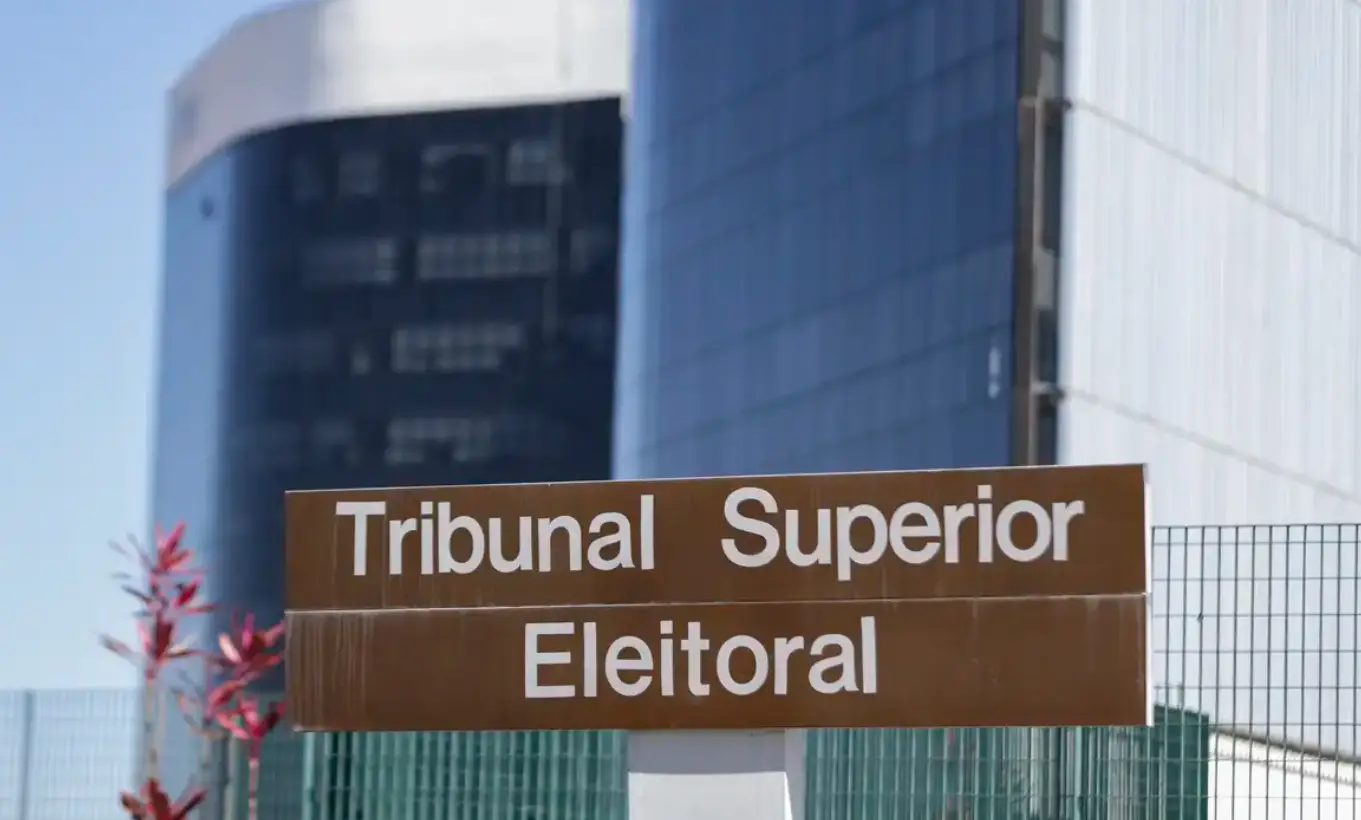
The Superior Electoral Court (TSE) proposed this Monday, 19th, that criticism of governments, even those with paid support, do not constitute negative early electoral propaganda, as long as they do not make reference to the elections.
The measure could represent a shift in the court’s understanding of the matter. Current legislation in force prohibits paid promotion of negative electoral propaganda.
Haddad says he does not intend to contest elections in 2026 and resists pressure from the PT
Minister of Finance states that conversations with Lula remain open, but says he is not focused on elected positions and wants to prioritize debate on the country’s project
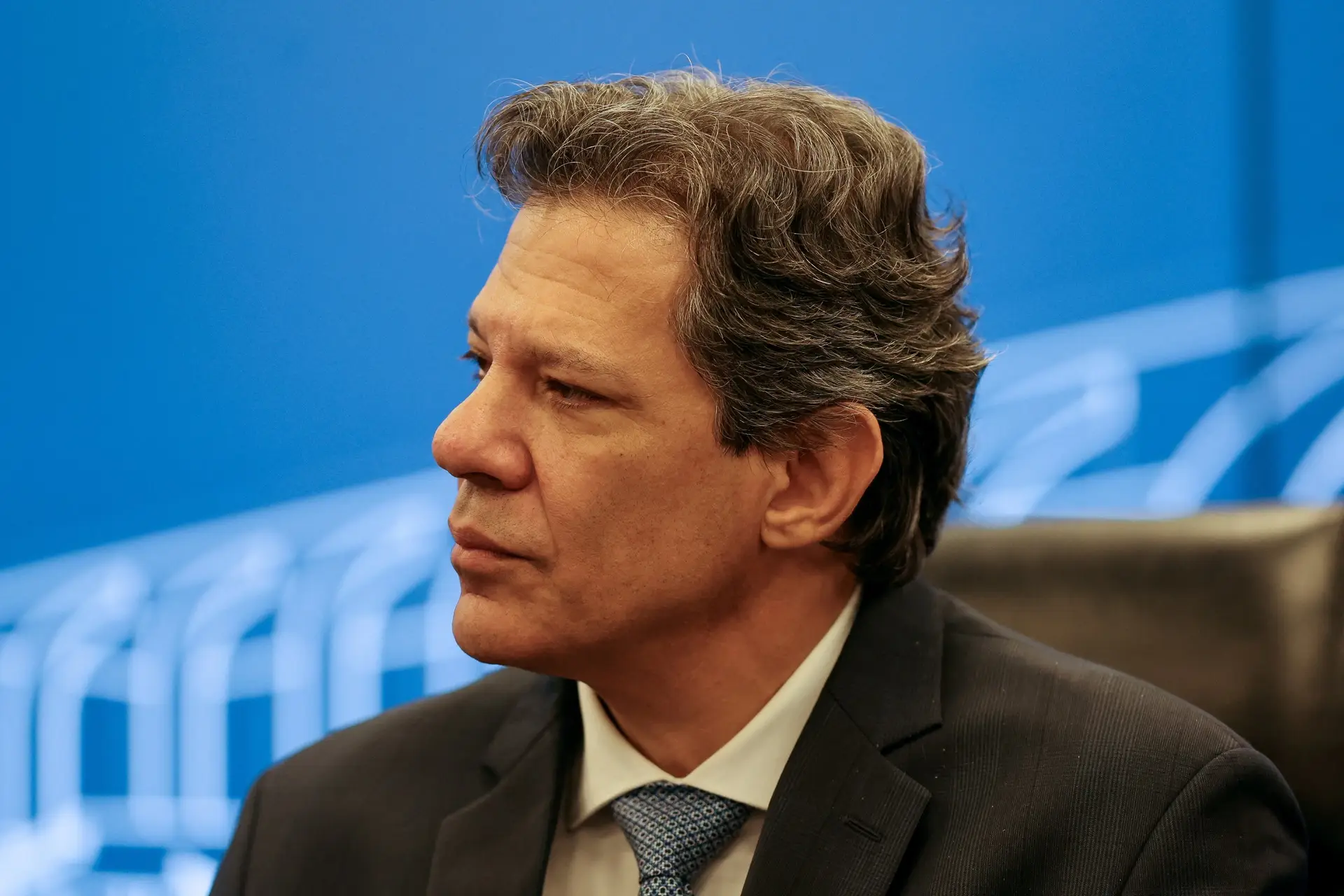
Economy will not be decisive in winning or losing elections, says Haddad
Finance Holder states that the economy does not guarantee victory or defeat in 2026 and uses Bolsonaro as an example of how politics has become more unpredictable
“Criticism of the performance of the public administration, carried out by a natural person, does not constitute negative early electoral propaganda, even if there is a hiring of promotion, as long as elements related to the electoral dispute are absent”, says the draft.
Made for you!

The proposal is contained in a resolution, prepared by the presidency of the Court, composed of minister Cármen Lúcia and vice Kassio Nunes Marques, which should guide the public hearings called to decide on the new electoral rules for 2026.
Appointed by former president Jair Bolsonaro (PL), Marques will preside over the court during the elections and guided the process of drafting the new legislation.
Public hearings to receive suggestions from civil society were scheduled for the 3rd, 4th and 5th of February. The rules that will guide the actions of the Electoral Court this year need to be approved by March 5th.
The new resolution maintains the prohibition on promotion that promotes negative propaganda and the permission to “promote or benefit the candidate, political party or federation that hires you” through this method. The novelty is due to the loophole for content without “elements related to the electoral dispute”.
In practice, the measure would allow defamation campaigns against the public administration like the one carried out recently targeting the Central Bank. Communicators reported having received cash proposals from communication agencies to attack the liquidation of the financial institution promoted by the BC and defame the municipality.
The confidentiality contract offered by agencies for influencers to promote content with attacks included the initials of Daniel Vorcaro, owner of Master, and a fine of R$800,000 for breaking confidentiality.
Experts consulted by Estadão say that the measure could represent a kind of return to private campaign financing, although even more opaque. This is because there is no way for the Electoral Court to monitor it, as electoral publications are prohibited, but other types of criticism or paid attacks will be allowed.
The fear is that the new rules will allow and encourage private publication financing networks before the official campaign begins. Authorities often have difficulty monitoring and combating cyber attack networks.
In 2024, during the municipal elections, one of the candidates for Mayor of São Paulo, Pablo Marçal (PRTB), took advantage of a loophole in the legislation to boost his audience. He rewarded supporters with money who won championships to make their videos go viral, many of them with attacks on their opponents in the electoral race.
A preliminary decision by the Regional Electoral Court (TRE) of São Paulo even removed Marçal’s profiles used for monetization, responding to a request from the campaign of candidate and federal deputy Tabata Amaral (PSB). The decision was motivated by signs of abuse of economic power and misuse of the media in remunerating users to produce “cuts” and publicize them on the networks.
Despite the decision, a group of anonymous accounts continued to boost the image of the PRTB candidate and undermine his rivals with millions of views, as shown by Estadão at the time. Meanwhile, his supporters profited from sharing video cuts of the former coach.
Marçal was condemned by the Electoral Court to ineligibility because of the “cut championships”, but was able to appeal.