
Mercosur-EU agreement can open market for family farming, says minister
The free trade agreement signed between Mercosur and the European Union should create a new growth front for Brazilian family farming, with a direct impact on income, added value and access to foreign markets.
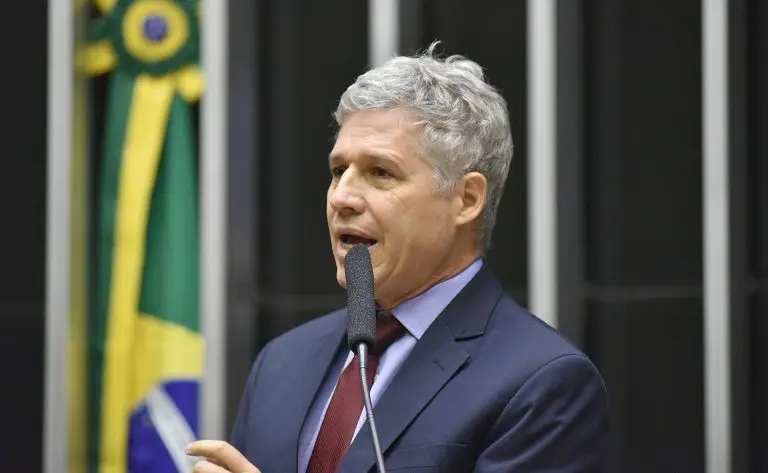
The assessment was made by the Minister of Agrarian Development, Paulo Teixeira, who stated that small producers will now have more competitive conditions to sell their products to the European bloc. The statements were made on the program “Good morning, minister”, released this Tuesday (20).
According to the minister, the main change is the elimination of tariffs for items already processed, which tends to change the logic of Brazilian exports. Products traditionally associated with family farming, such as coffee, açaí and fruits, will be able to enter the European Union tax-free, even when industrialized. For the government, this creates incentives for producers to move up the value chain, no longer just exporting raw materials.
Made for you!

Farmers protest in France and pressure Parliament against Mercosur-EU agreement
Mobilization takes place in front of the European Parliament, just one day before the decisive vote that could send the treaty to the Court of Justice of the European Union (CJEU)
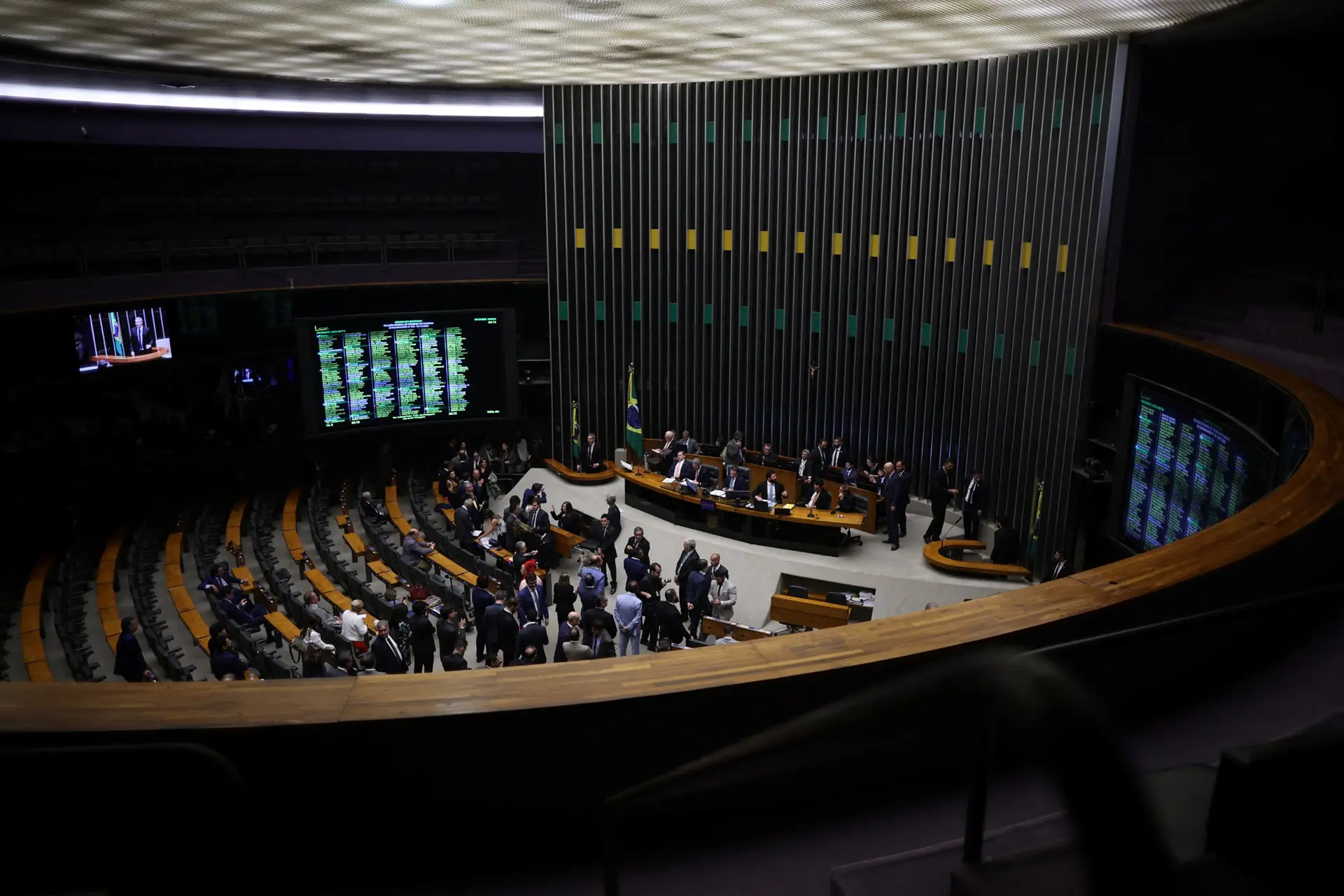
Government wants to vote on the EU-Mercosur agreement in the Chamber, after recess, in February
Positive agenda: parliamentarians allied with Planalto assess that the agreement should not face major resistance
Coffee was cited as a central example of this transformation. According to Teixeira, coffee production in Brazil is mostly carried out by family farmers, spread across different regions of the country. With the agreement, these producers will be able to access the European market with processed coffee, without the incidence of import taxes, which improves margins and reduces dependence on intermediaries.
The Ministry of Agrarian Development’s view is that the treaty can act as a catalyst for investment in the countryside, especially in regions where family farming already has a consolidated presence. The opening of trade with the European Union, according to the minister, expands the potential market for these producers and creates conditions for increased scale, formalization and integration with global food and beverage chains.
“Family farmers will be able to sell their products in Europe without taxes. And in this way they will earn a lot, opening up a whole market for Brazilian family farming, which, I think, will boom”, highlighted Teixeira in an interview.
The agreement between Mercosur and the European Union was signed on Saturday (17), in a ceremony held in Asunción, Paraguay, after more than two decades of negotiations. To come into force, the text still needs to be approved by the European Parliament and the Legislatures of the countries in the South American bloc. The Brazilian government’s expectation is that the treaty will come into force in the second half of this year.
To reduce bottlenecks and accelerate the adaptation of small producers to the sanitary and technical requirements of the European market, the government is also preparing complementary measures.
Teixeira stated that the Executive is working on recreating a national technical assistance and rural extension program, with a focus on training family farming to meet international standards of quality, traceability and sustainability.
In the ministry’s assessment, the success of the agreement for this segment will depend less on the volume initially exported and more on the ability to organize production, guarantee certifications and structure marketing channels.