
Ray Dalio says Trump has already ended the rules of the global order: ‘Let’s not be naive’
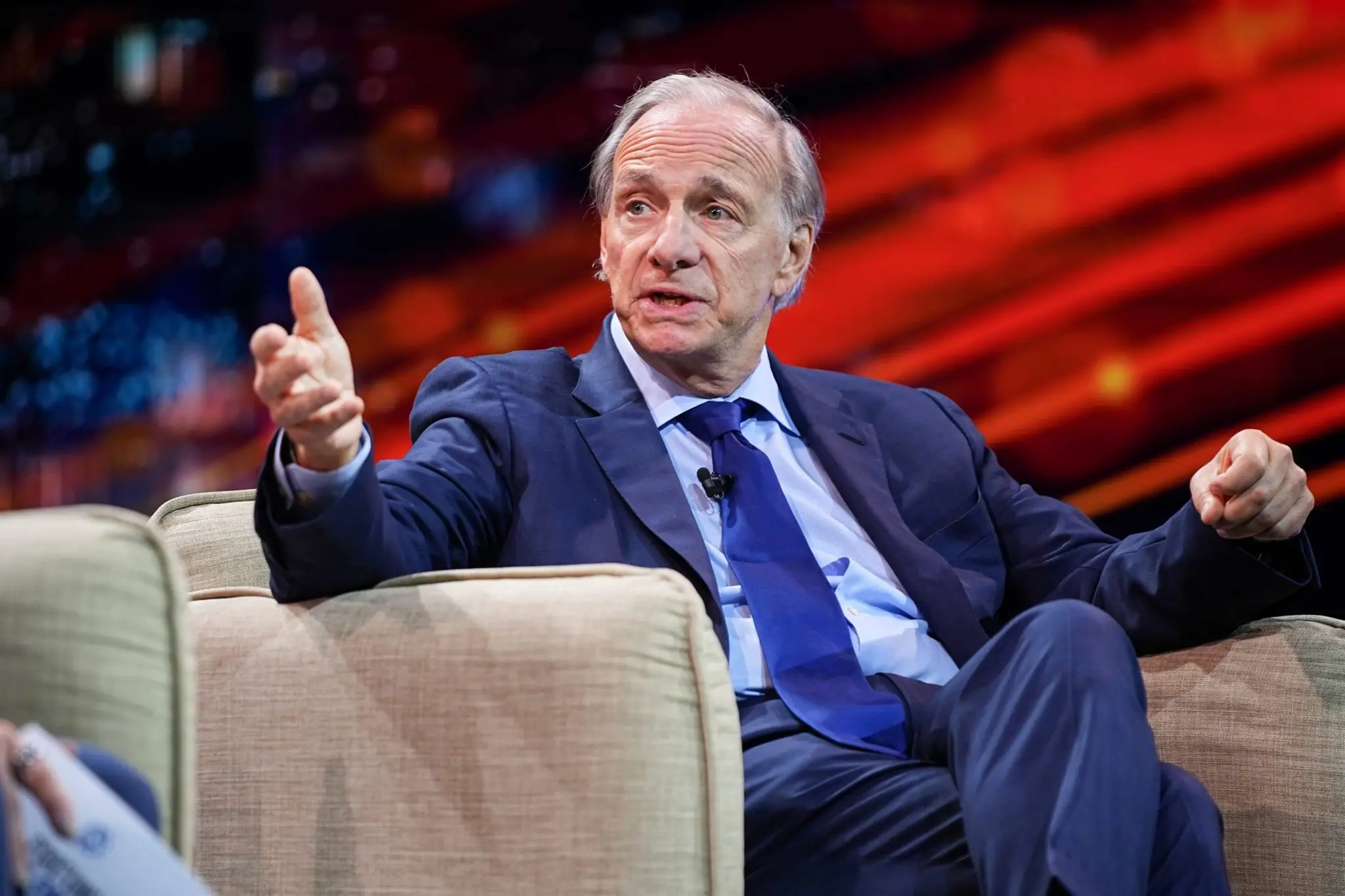
Bridgewater Associates founder Ray Dalio told global leaders and executives to stop pretending the old rules still apply. In conversation with Kamal Ahmed, from , during the World Economic Forum in Davos, Switzerland, Dalio gave a stark warning about the current geopolitical scenario and said that the fate of the post-World War II global order — widely debated amid President Donald Trump’s assault on Greenland and the shake-up in NATO — has already been decided.
“Let’s not be naive and say, ‘Oh, we’re breaking the rules-based system,’” Dalio said. “It’s already over.”
The billionaire, founder of the largest hedge fund in history, added that, as a student of financial history, he closely follows the economic cycles of the last 500 years and sees patterns that repeat themselves over time.
Everything you need to know to protect your wallet
“And what I learned from this exercise is that the same thing happens over and over again,” he said. “For me, it’s like a movie. It’s like watching the same movie again.”
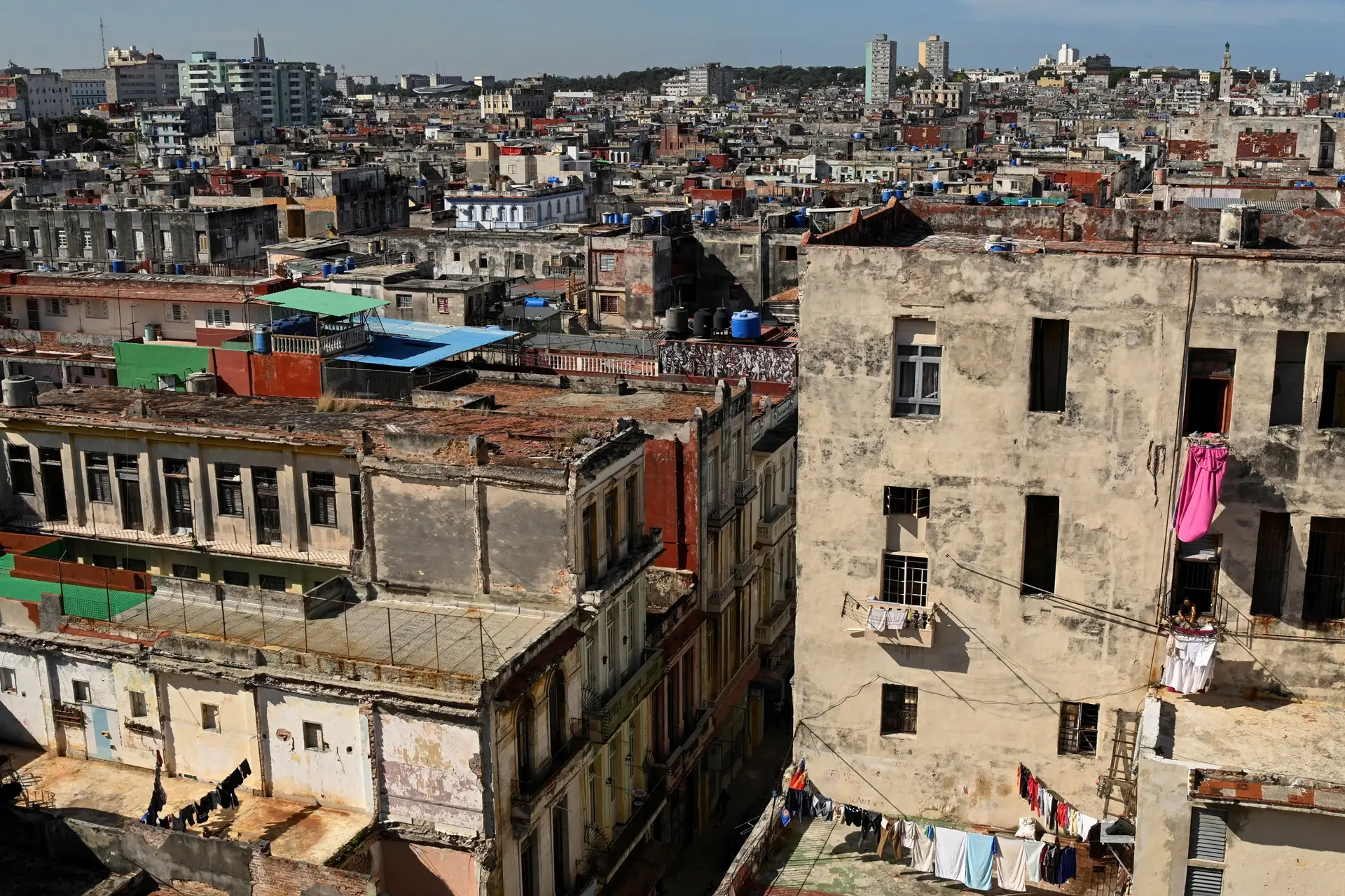
Trump administration seeks regime change in Cuba by the end of the year, says WSJ
According to sources heard by the WSJ, internal assessments by the American government indicate that the Cuban economy is close to collapse and more fragile than ever, especially after the fall of Maduro.
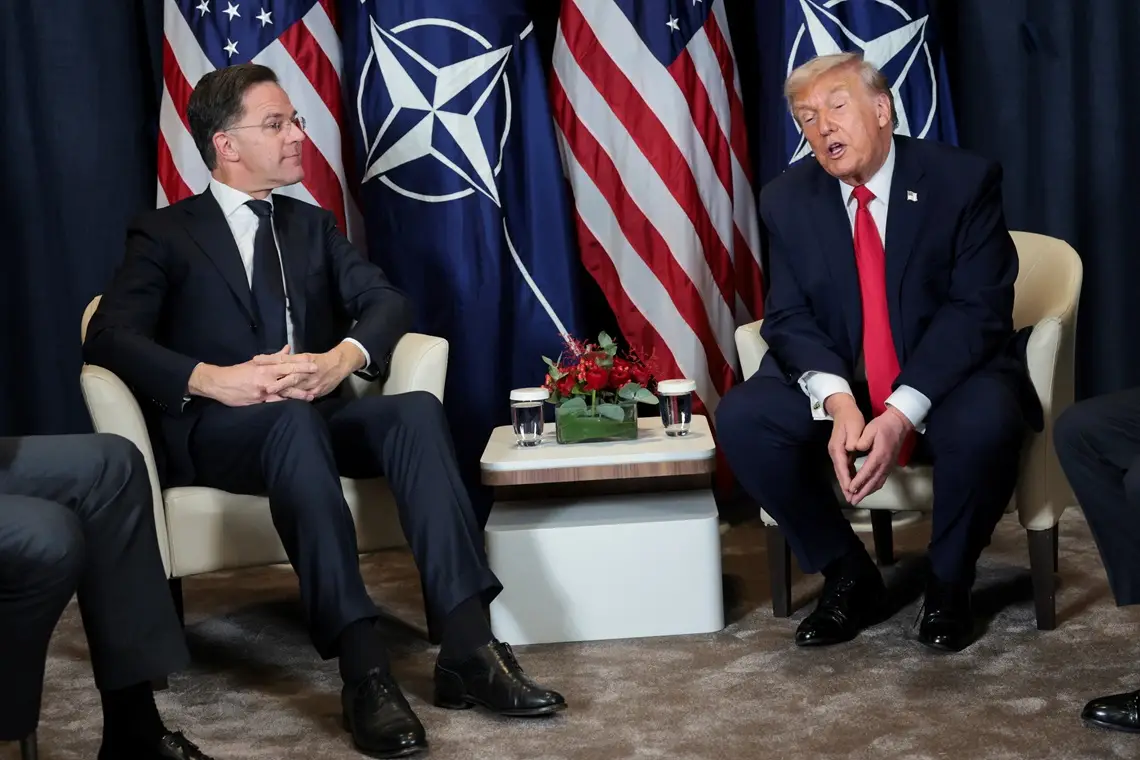
Trump says he has a draft agreement on Greenland with NATO and backs off tariffs on Europe
After meeting with the alliance’s secretary general, the president stated he had a “future agreement structure” for Greenland and the Arctic and canceled tariffs against European allies
According to Dalio, five specific forces interact to move the plot, with the “cycle of money and debt” as the element that starts the events. The roots of the current instability, he explained, lie in the monetary decisions made over the last few decades. Since 1971, when the US, under President Richard Nixon, broke the dollar’s link to gold, governments have repeatedly chosen to “print money” rather than allow debt crises to take their natural course.
This occurs when debt service grows faster than income, compressing consumption. After more than half a century of this behavior, Dalio argued — repeating a frequent warning in his public speeches — the world is now witnessing a “collapse of the monetary order,” evidenced by the change in the composition of central bank reserves and the purchase of gold.
Capital Wars
The previous day, in an interview with Squawk Box, on the sidelines of the annual meeting in Davos, Dalio said that fiat currencies and debt as a store of value “are no longer being maintained by central banks in the same way”. He pointed to a decoupling in which US markets began to underperform foreign markets on specific metrics, a trend visible in global central bank balance sheets.
The core of Dalio’s concern is the transition from trade disputes to what he calls “capital wars.” He recalled that US Treasury bonds were, for decades, the basis of global reserves, but said the volume of debt issued by the United States now collides with a smaller global appetite to hold it.
“There is a supply and demand problem,” Dalio noted, adding: “You can’t ignore the possibility that there may not be the same willingness to buy American debt.”
This reluctance is driven by geopolitical frictions. According to Dalio, in periods of international conflict, “not even allies want to maintain each other’s debt”, preferring to direct capital to strong currencies. This movement forces the issuer of the debt to monetize it, a phenomenon that Dalio summed up bluntly: “We are buying more and more of our own money. That’s the lesson in all of this.”
Trump’s brute force
As Dalio spoke on Monday, markets were facing a global sell-off following the revelation that President Donald Trump was demanding that the US take control of Greenland in response to his failure to receive the 2025 Nobel Peace Prize.
According to reports confirmed over the weekend, Trump had sent angry messages to Norwegian Prime Minister Jonas Gahr Støre, despite the Nobel Committee operating independently of the Norwegian government. On Tuesday, Dalio’s statements took place in an environment of calmer markets, after Trump reiterated his request for Greenland, but stated that he would not authorize the use of force to obtain it.
This economic instability directly fuels the collapse of political norms, Dalio told Fortune. He argued that the multilateral order created in 1945 — marked by institutions such as the UN and the World Trade Organization — was already born, to a certain extent, as a “naive system”, as it depended on representation without guaranteed enforcement mechanisms.
“What happens when the leading power does not want to accept the vote?” asked Dalio. “Do you really expect a UN vote or an international court to resolve these issues?”
The result, according to him, is a clear shift from a multilateral system to a unilateral one. The central question of our time has become, in Dalio’s view: “Who makes the rules, who imposes them and how to deal with them?”
Perhaps the most disturbing aspect of his analysis is the erosion of legal authority in favor of brute force. “Power matters more” than the law, he told , noting that conflicts are increasingly decided by whoever controls the Armed Forces, the police and the National Guard. This trend appears not only internationally, but also within countries, where democracy is threatened by populism and the growing belief that the system is corrupt.
Asked whether this disruption should frighten boards and CEOs who for decades have relied on stable global rules, Dalio responded that ignoring reality is even more dangerous.
“What always scares me is the lack of realism,” he said.
Leaders must focus on ‘issues of jurisdiction’
Dalio advised leaders to stop relying on a rules-based system that is dissolving and to focus on “issues of jurisdiction,” seeking out places where people are “like-minded” and support each other. Whether at international borders or domestic regulations, he insists that companies need to face the harsh reality that the era of guaranteed legal protection is coming to an end.
“Will the law prevail?” asked Dalio. “Internationally, everyone is having to deal with this issue.”
With confidence in institutions, in law itself and in debt denominated in fiat currencies falling, Dalio highlighted the silent, but relevant, return of gold. He highlighted that the metal should not be seen just as a speculative asset, but as “the second largest reserve currency” in the world. In the previous year, he noted, gold was the market that appreciated the most and far outperformed technology stocks, as central banks diversified their reserves.
JPMorgan CEO Jamie Dimon made similar comments in an interview during the Most Powerful Women conference in October, saying that, for the first time in his life, it became “semi-rational” to have gold in his portfolio.
Despite the harsh tone, Dalio’s view is not entirely defensive. He said he sees the current phase as a bifurcation between a declining monetary order and a “wonderful technological revolution”, echoing statements made by Trump on stage earlier that day about an “economic miracle” underway. In this aspect, at least, force may end up imposing itself.
