
‘The impact of interest was greater than that of tariffs’, says Marinho about job creation
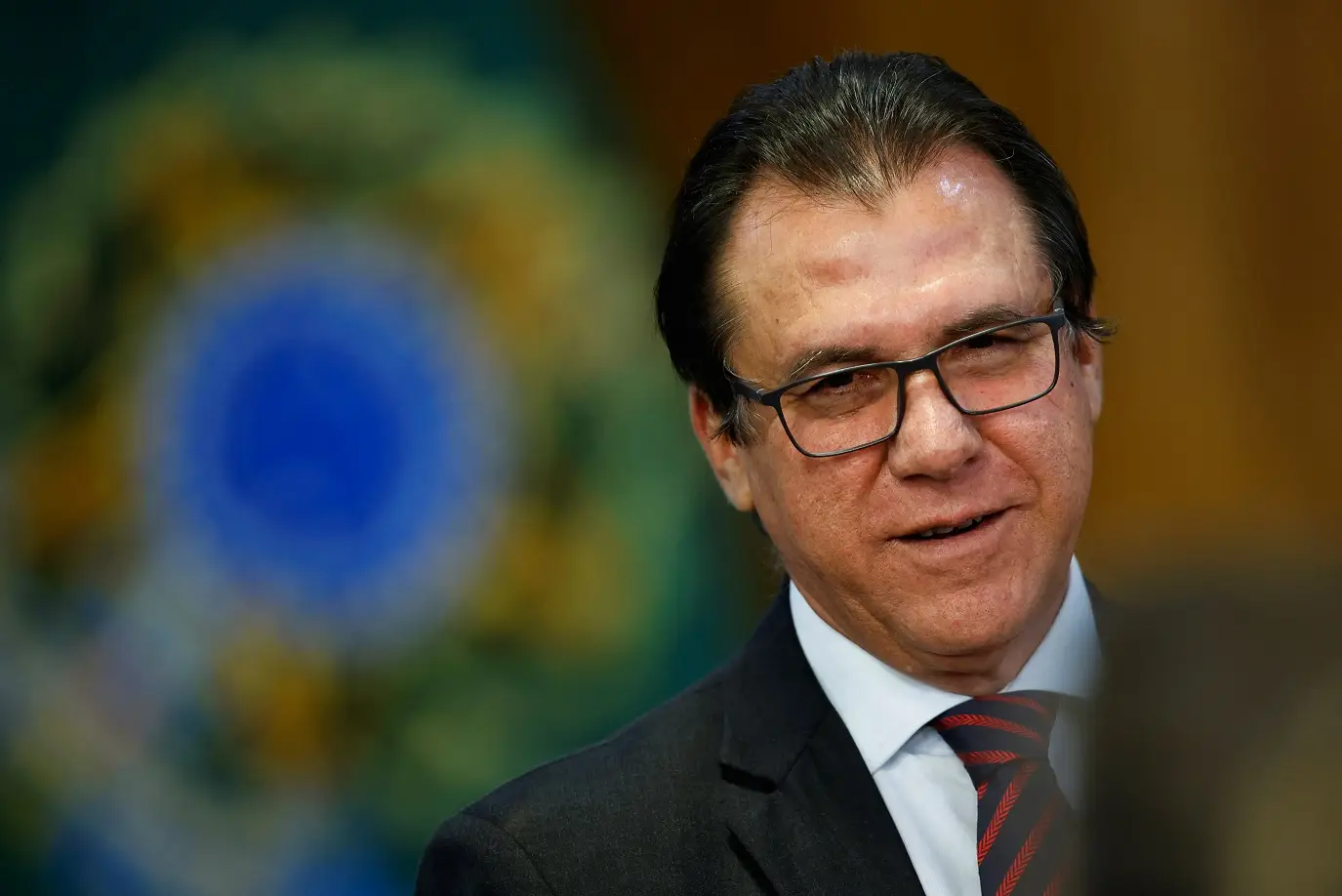
The Minister of Labor, Luiz Marinho, stated this Thursday (29) that the increase in the basic interest rate, the Selic, had a more negative impact on job creation in 2025 than the tariff imposed by American President Donald Trump.
“The tariff had an impact, of course, but I think the impact of interest was greater than that of the tariff. From the global point of view of the industry, the effect of interest is more damaging”, said the minister at a press conference during the release of data from the General Register of Employed and Unemployed.
Caged: Brazil closes 618,164 vacancies in December, more than expected
The result was the worst for the month of December since the pandemic
Haddad says the government limited expenses and tried to end pro-mamata measures
The minister also assessed that the most pessimistic people about Brazil would be “starting to give in” with economic results
According to Marinho, the effects of the extra tariff imposed by Donald Trump were focused on specific sectors of the economy, mainly trade. The minister highlighted that measures adopted by Lula to open markets and support plans for businesspeople helped to contain part of the impact on new hiring in the areas.
Opportunity with security!

According to data released this Thursday (29), Brazil opened 1.28 million formal job vacancies in 2025. The data represents a 23% drop compared to the previous year, when the country registered 1.67 million formal jobs.
This is the worst result for the year since the new historical series, which began in 2020, during the pandemic. That year, Brazil ended the period with 189,393 thousand jobs lost.
Marinho commented that he had already been warning about the process of slowing economic growth and that his warnings became reality. “It’s not about a slowdown in the economy, fortunately. It’s not about a drop in the economy, but it’s about the pace of growth”, he criticized.
Regarding 2026, Marinho highlighted that it is possible that the Central Bank’s actions will compromise a good portion of the year “due to the exclusive responsibility of the monitoring that the BC carries out, and which it does in a very conservative way”.