
Deputy asks TCU to audit US$ 2.5 million in Itamaraty expenses with 30 diplomats
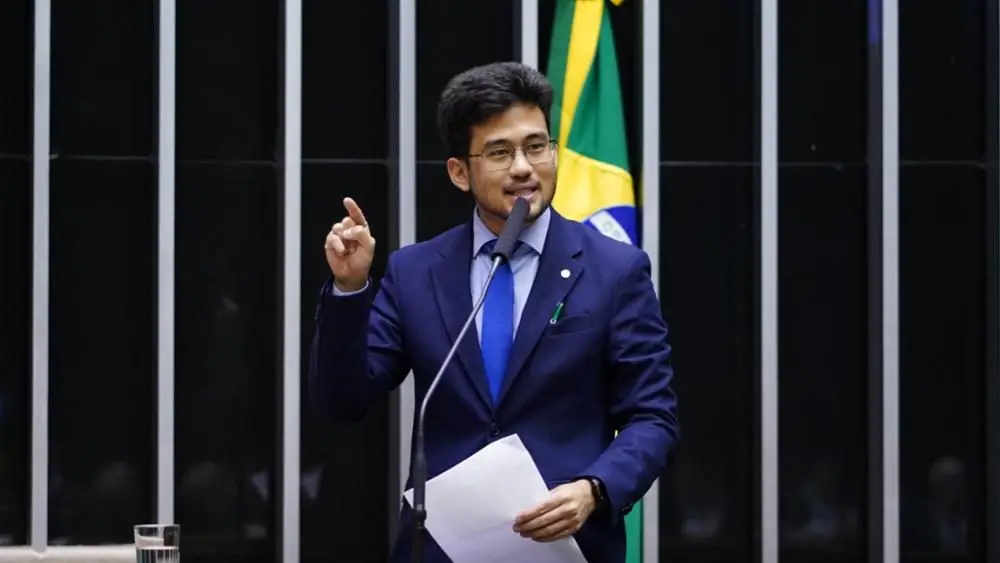
Federal deputy Kim Kataguiri (União-SP) requested this Wednesday (11) the Federal Court of Auditors (TCU) to audit the expenses of US$ 2.5 million on housing assistance for 30 Itamaraty employees who were part of the Brazilian Mission to the United Nations in New York, in 2024. This case was revealed by the portal Stay in the know.
The parliamentarian alleges “operational inefficiency”, lack of market guidance, concentration of resources without active supervision and administrative inertia. Kataguiri requests a hearing from the Public Ministry next to the TCU on the case.
When contacted, Itamaraty said that it was not notified of the aforementioned letter and therefore cannot comment on the case. “Itamaraty was not notified of the aforementioned letter, and therefore does not have the minimum information that would allow it to comment on the mentioned subject,” he said.
Opportunity with security!

After quotes from Toffoli on Vorcaro’s cell phone, see the next steps in the suspicion
Suspicion is a legal instrument used to question the impartiality of a judge

Minister appointed by Lula will be rapporteur of action at the TSE against samba-enredo
Appointed by Lula in 2025, Estela received the case this Tuesday, 10
To substantiate the request, Kataguiri asked the Ministry of Foreign Affairs for information on spending on housing allowance for civil servants in 2024. Data on spending and the department’s control over these costs was answered by minister Mauro Vieira.
Regarding the aid given to 30 diplomats, the ministry claimed that the conversion factor is adequate. “In addition to New York being one of the cities with the most expensive rental prices in the world”, stated the minister, “the conversion factor adopted for New York remains appropriate”.
“Itamaraty has no news of suspicions regarding the correctness of the payment of compensation reimbursements”, added Vieira.
Kataguiri says that the lack of an inspection schedule “prevents the timely detection of possible distortions or undue payments”.
“The attitude of waiting for ‘news of suspicion’ and only then auditing characterizes passive risk management. In a unit that handles million-dollar resources with decentralized contracts (30 employees), the audit must be a preventive routine,” said the deputy.