
With “tremendous business” at stake, Trump takes Russia off the ice
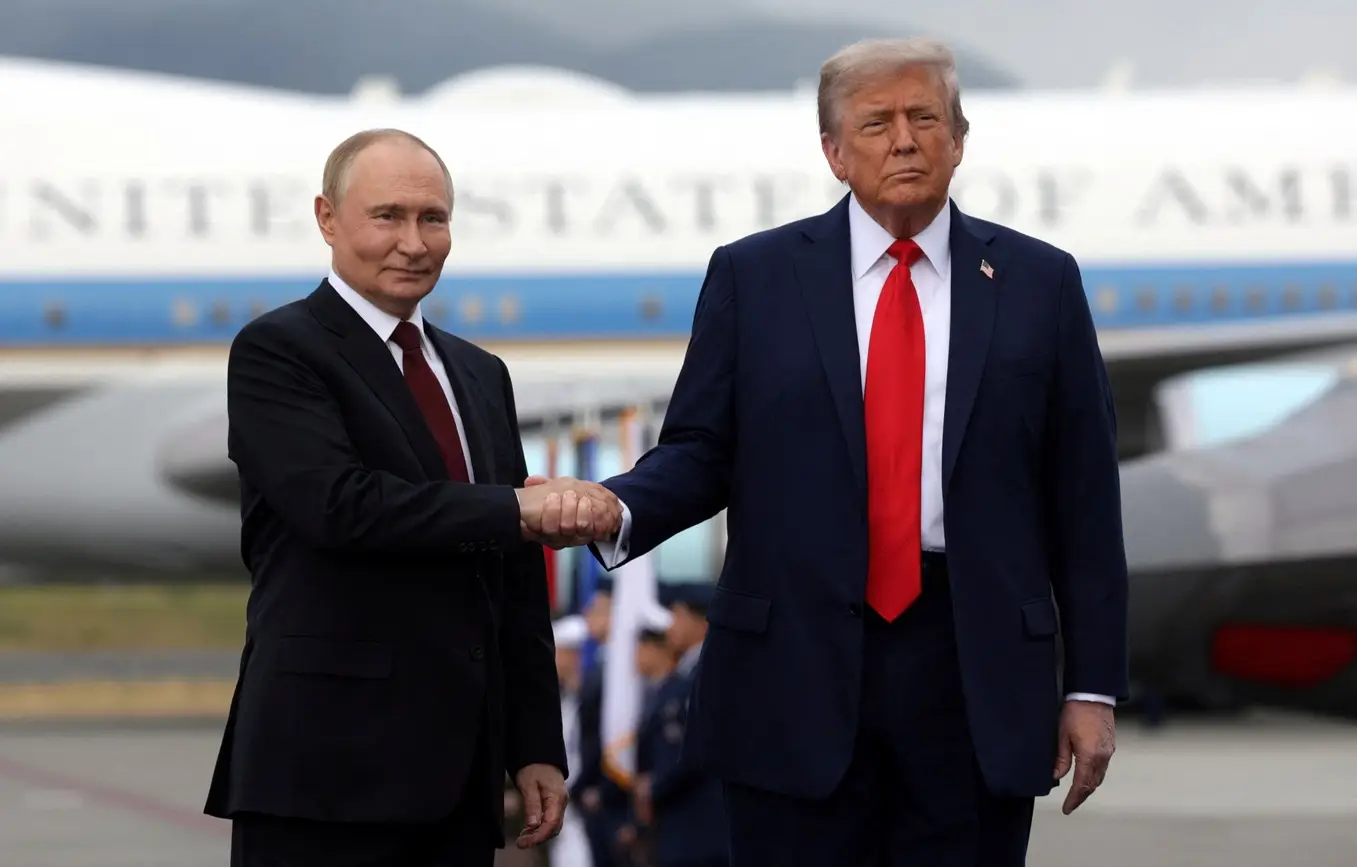
WASHINGTON — After Russia invaded Ukraine, the United States and much of the West all but cut economic ties with Moscow.
But since President Donald Trump took office more than a year ago, he has described a “tremendous opportunity” to do business with Russia if the war ends, and the Kremlin has dangled possible investments for the leader, famous for his transactional stance.
With new political environment, Goldman Sachs abandons inclusion rules on its board
The bank will no longer explicitly consider factors such as race, gender or sexual orientation, although it says diversity is important

Tiring and unproductive meetings? See management tips to improve this
Good meetings require emotional preparation, focus and intentionality; it is necessary to visualize scenarios, adjust expectations and plan logistics
Now a Texas investor with ties to the Trump family is testing the possibility of doing business with Russian companies, even as fighting in Ukraine continues. The investor, Gentry Beach, said he quietly signed a deal with one of Russia’s largest energy companies last fall to develop natural gas in Alaska.
Beach’s deal, which he insisted was motivated by commercial rather than political interests, shows how Trump is beginning to bring Russia back into the Western economic circle even as there are few signs that President Vladimir Putin is ready to halt his attack on Ukraine and while U.S. sanctions against Russia remain in place.
It also shows how the Kremlin’s message about what it says are immense business opportunities in Russia — a Putin aide this week estimated their value at an unlikely $14 trillion — is beginning to resonate in the United States.
“Trump is a transactional president,” Beach said in an interview. “I don’t think people would feel as comfortable working with Russian companies under the Biden administration as they do under the Trump administration.”
The project is still in its early stages and faces major hurdles, and Beach declined to reveal financial details. The Russian company, Novatek, said it was “in fact holding talks on the potential use” of its technology to liquefy natural gas in remote northern Alaska. But he did not confirm that he was working with Beach.
Beach’s deal could represent the first known case of an American investor formalizing a new business venture with a major Russian company since the Kremlin began promoting business opportunities to the Trump administration a year ago. Overall, American companies remain deeply skeptical about doing business with Russia, and the Trump administration imposed significant new sanctions on the Russian oil sector last fall.
But Trump, despite occasionally expressing frustration with Putin, has frequently repeated Kremlin talking points, both about Russia’s economic potential and the idea that Ukrainian President Volodymyr Zelenskyy is standing in the way of peace. He said last week that Russia “wants to make a deal” to end the war and that “Zelenskyy is going to have to move.”
Beach said he negotiated his deal in meetings in Dubai and Europe last year with Novatek’s billionaire CEO Leonid Mikhelson, who is under sanctions in the United Kingdom and Canada but not the United States or the European Union.
“It’s time for all of us to work together,” Beach said, describing himself as a “bringer of peace.”
Beach, a hedge fund and private equity investor, is a college friend of Donald Trump Jr., the president’s eldest son, and served as vice chairman of finance at Trump’s inauguration ceremony in 2017. His pursuit of businesses around the world since Trump’s re-election has led to confusion about his ties to the government and frustrated Donald Trump Jr., the Wall Street Journal reported last fall.
Speaking to The New York Times last week, Beach said his relationship with Donald Trump Jr. played no role in the Novatek deal, and said he does not “do any business with the Trumps at any level.” He said his initiative was not part of U.S.-Russian talks led by Steve Witkoff, Trump’s peace envoy.
But Beach also said that “this project is known at the highest levels” in Moscow and Washington. He stated that he would soon announce the names of the executives who would lead the project.
Last August, days after meeting Trump in Alaska, Putin said that “we are discussing with our American partners” the possibility of using Novatek technology to produce liquefied natural gas in Alaska. Doug Burgum, the Interior Secretary, said in October that foreign investors were interested in exporting gas directly from Alaska’s North Slope region.
Mikhelson, one of Russia’s richest men, has kept a low profile since Russia’s 2022 invasion of Ukraine but met regularly with Putin before that, according to the Kremlin website.
Novatek, which has close ties to the Kremlin but is not state-controlled, is under partial US sanctions, and some of its subsidiaries face tougher restrictions. Beach said he was able to legally pursue his settlement because the United States did not fully sanction parent company Novatek.
Kirill Dmitriev, Putin’s economic envoy, presented a series of possible deals to Witkoff and other interlocutors, including jointly selling gas to Europe and building an underwater tunnel linking Russia and Alaska.
Many American companies rushed to end their business with Russia after Putin’s invasion of Ukraine in 2022, in the face of intensifying Western sanctions and political pressure.
Under Trump, that pressure has eased. Last spring, Trump described Russia’s economic potential as a “tremendous opportunity.” But while the Kremlin was eager to reestablish trade ties, Trump said major deals would only be possible after Russia ended its war in Ukraine.
That’s why Beach’s deal could mark a milestone, especially as U.S.-brokered Ukraine peace talks drag on. Beach said he wasn’t waiting to enter into deals with Russia because “the guy who gets to the opportunity early is usually the one who, from what I’ve seen, makes the money.”