
TCU will vote next week on the destination of R$20 billion diluted in the energy tariff
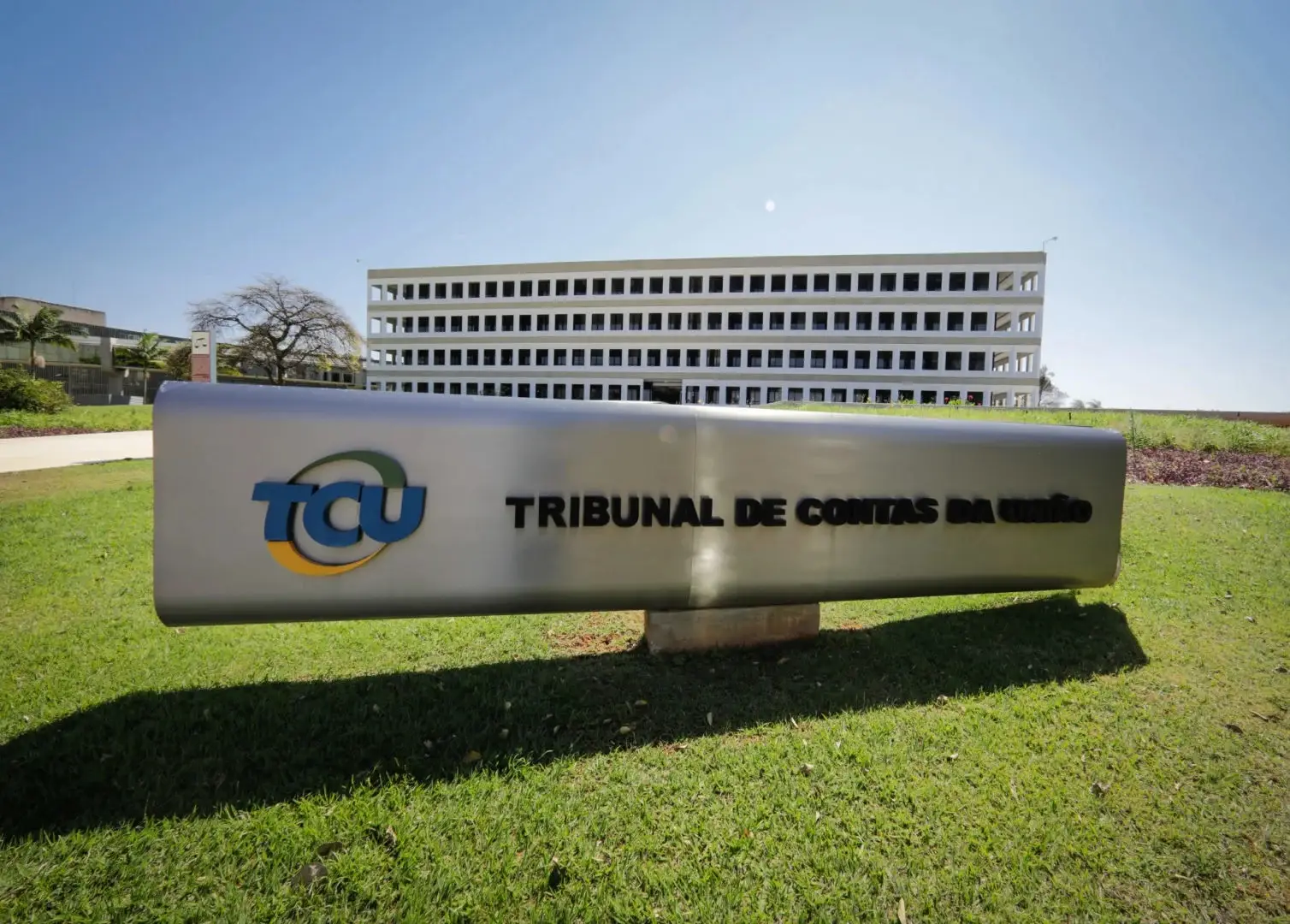
The Federal Court of Auditors (TCU) will conclude, next week, the vote on a process involving around R$20 billion diluted in consumers’ electricity tariffs, as remuneration for the cost of the transmission companies’ own capital. There are divergent positions among the ministers who have already evaluated the issue in a public session.
The crux of the issue is the calculation criteria used to estimate this value. If this criterion is contradicted by the TCU, there is a risk of recovering amounts already disbursed by consumers. In total, the discussion involves payments of R$62.2 billion, at June 2017 values, to transmission concessionaires with assets that came into operation before May 31, 2000.
Ibaneis proposes investment in BRB with the use of 12 properties after Banco Master’s failure
Project sent to the DF Chamber authorizes capitalization of the bank with the sale or guarantee of public assets, while the institution faces pressure from the Central Bank and the risk of operational restrictions
More than 70% of this has already been paid off and the rest of the payment is scheduled for the next tariff cycles, until 2028. The compensation refers to unamortized investments. In other words, the concessionaire’s right to receive the amount invested, but not recovered with the revenue earned in the project within the contractual period.
The calculation of this transfer was based on a 2016 ordinance from the Ministry of Mines and Energy (MME). Of the volume of R$62.2 billion, around R$20 billion was related to remuneration for the cost of equity capital (the “ke”). It is precisely this criterion that was contradicted by the TCU technical area and, ultimately, could be overturned. The estimated impact, at the time, was 7.7% on the value of energy tariffs in relation to R$62.2 billion.
The route suggested by the technical unit was to make the use of “ke” for payment irregular. The rapporteur, minister Aroldo Cedraz, presented convergence on this point and advanced an understanding to annul the acts resulting from the MME ordinance. Minister Benjamin Zymler voted against, attesting to the legality of the regulations.
Finally, Minister Bruno Dantas indicated a similar vote to Zymler, more specifically in order to archive the case files and not express a conclusion on the merits about the legality of the ordinance. The process will be resumed in a plenary session next week.
Calculation criteria
The “ke” is the remuneration required by those who contribute their own resources and assume the business risk, being a minimum rate of return sought in the investment of resources. The technical unit of the Court of Auditors considered the use of this “risk remuneration” as an index for updating the amounts owed to be inappropriate because, according to this assessment, the correct option would be to apply another criterion – the so-called “WACC” (weighted average cost of capital).
It was pointed out that the isolated use of “ke” to calculate the update and remuneration of compensation amounts does not find regulatory support in the electricity sector. “The choice of an anomalous financial parameter for updating and remuneration that generates an impact of billions for electricity users is a matter that would require, at the very least, clear legal guidelines, and cannot be decided exclusively through a monocratic ministerial act”, says rapporteur Aroldo Cedraz in his vote.
The rapporteur also argued that the MME would not have the authority to discuss this update methodology, but the National Electric Energy Agency (Aneel) would. In turn, in a dissenting vote, Minister Benjamin Zymler considered the 2016 ordinance lawful. He argued that there is no ready methodology from Aneel to price this update of the remuneration provided for concessionaires.
Zymler also disagreed with the MME’s possible lack of competence and assessed that the composition of this “ke” in the transfer calculations is technically defensible. This is because, according to the position defended, this calculation would represent the frustration of cash flow inflows, remunerating shareholders’ equity.
Another argument cited was that of legal uncertainty, if the TCU declared payments already made null and void. “I anticipate concern (…) It is also necessary to consider, given the endorsement of regulatory bodies and a court ruling in favor of payment, the frustration of legal security and regulatory stability that are dear to the electricity sector”, pondered the reviewing minister.
The Public Ministry together with the TCU also disagreed with the technical unit, understanding that the 2016 ordinance compensated the concessionaires for the lack of capital availability. In this understanding, there was a duly substantiated technical decision. Based on the MP’s position with the TCU, it would not be appropriate for the Court to determine something to the contrary.