
For Cisco CEO, successful people in technology have these 3 characteristics
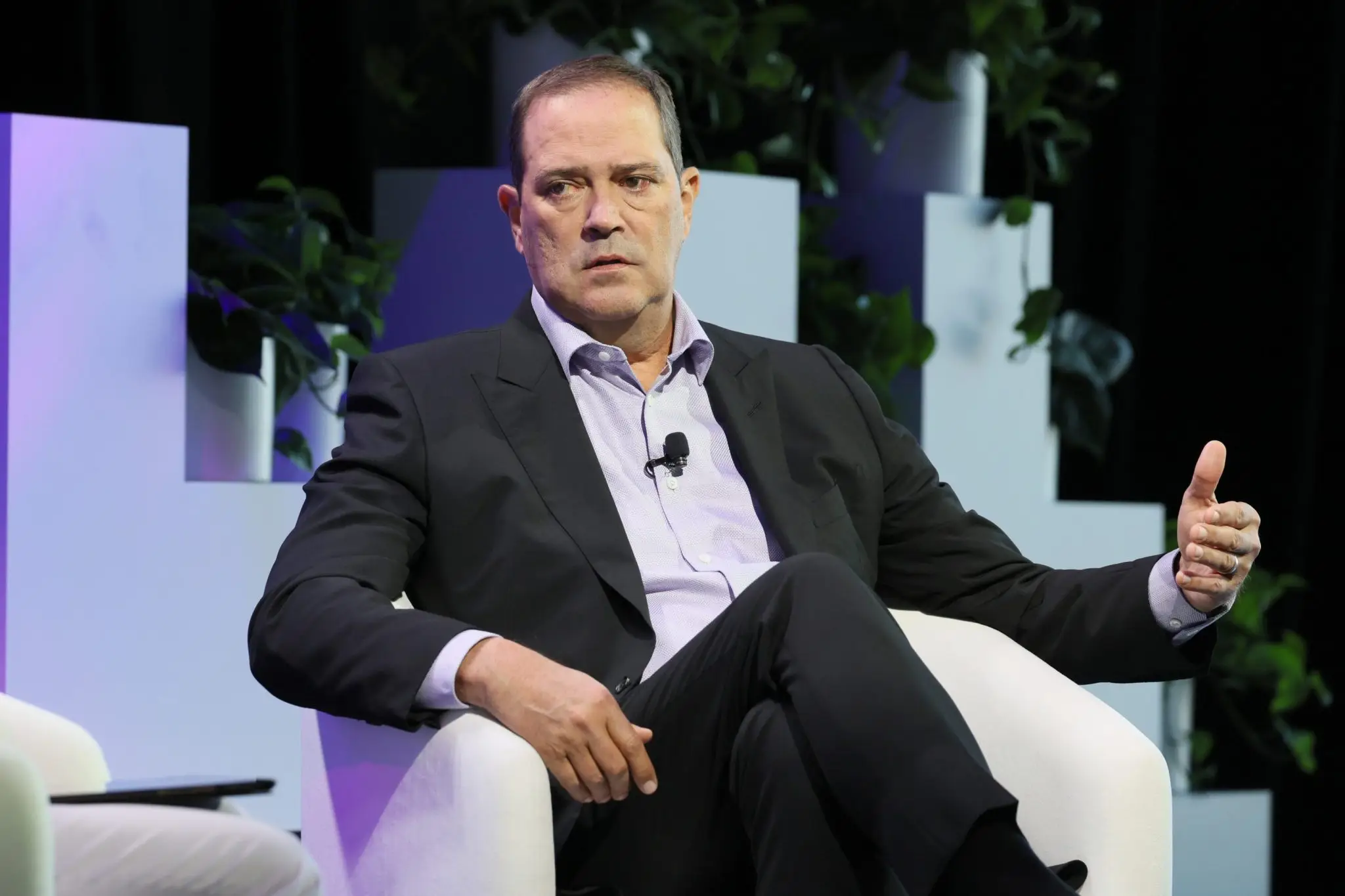
The pace of change in Silicon Valley is relentless. New AI tools and great language models seem to emerge every week, and many professionals feel the pressure to constantly reskill just to keep from falling behind.
But, according to Cisco CEO Chuck Robbins, the people who rise to the top aren’t those who obsess over every new release. Instead, they tend to share three basic characteristics.
Also read: The key for anyone to make money with AI, according to billionaire: ‘Everyone will need it’
“Extremely successful people have this incredible combination: they understand technology, they have high EQ (emotional intelligence), and they really care about the team’s mission,” he said on the TBPN podcast earlier this month.
As competition intensifies in the age of AI, Robbins believes that collaboration—not individual heroism—is what sets standout performers apart from everyone else.
“Anyone who says they don’t care about their own success is lying. But (you have to) understand that when the team is successful, I’m going to be successful, so it’s easy for me to focus on the team.”
This mantra of teamwork has long been adopted by Cisco, even before Robbins occupied the CEO’s office. John Chambers, who was CEO from 1995 to 2015, recently said that team culture can be as important as strategy or vision.
He pointed to Cisco’s track record in the 1990s, when the company helped create nearly 10,000 employee millionaires, as proof that shared success can be a powerful motivator.
“There are good cultures. There are tough cultures. They all work as long as you’re consistent,” Chambers said on the Thirty Minute Mentors podcast. “For me, the culture is one of team play: you win as a team and you lose as a team, and we don’t expect to lose very often, so we share the success of my companies with all employees more generously than anyone ever has.”
Technology leaders bet big on emotional intelligence
A 2024 LinkedIn analysis found that among executives at S&P 500 companies and unicorns valued above $1 billion, there has been a 31% increase in the number of leaders who have highlighted soft skills in their profiles since 2018.
The five most popular include conducting effective presentations, strategic thinking, communication, strategic vision, and conflict resolution.
Aneesh Raman, director of economic opportunities at LinkedIn, pointed out five key pillars of emotional skills that companies look for in business: curiosity, compassion, courage, communication and creativity.
“These human skills will become increasingly central not just to how someone becomes an executive, but to the work of executives themselves: mobilizing teams and building a people-centered company,” he told Fortune at the time.
And Robbins used his own career as an example of the power of high emotional intelligence. Before being named CEO in 2015, he rose through the ranks from account manager to top leadership. One of his secrets was not to ask for a promotion — but to let his skills speak for themselves — and to be honest with reality.
“I always believed that my job, every day, was an interview,” Robbins said on the How Leaders Lead podcast. “What I did in my role every day was show that I was the right candidate for the next position.”
Executives like JPMorgan’s Jamie Dimon and Amazon’s Andy Jassy embrace human skills
Robbins is not alone in seeing human skills as increasingly important.
JPMorgan Chase CEO Jamie Dimon recently said that while AI will reshape the workforce, employees who develop critical thinking and interpersonal skills will continue to be in demand.
“My advice to people would be: critical thinking, learn skills, develop your EQ, learn how to do well in a meeting, how to communicate, how to write. You’re going to have a lot of jobs,” Dimon told Fox News.
Amazon CEO Andy Jassy expressed a similar view, arguing that curiosity and the habit of asking “why” are essential to breaking down problems and unlocking innovation.
“We ask why and why not, all the time,” he wrote in his letter to shareholders last year. “It helps us deconstruct problems, get to the root causes, understand blockages and unlock doors that might previously have seemed impenetrable.”
