
Maduro’s last days in charge: inside the fall of the Venezuelan government
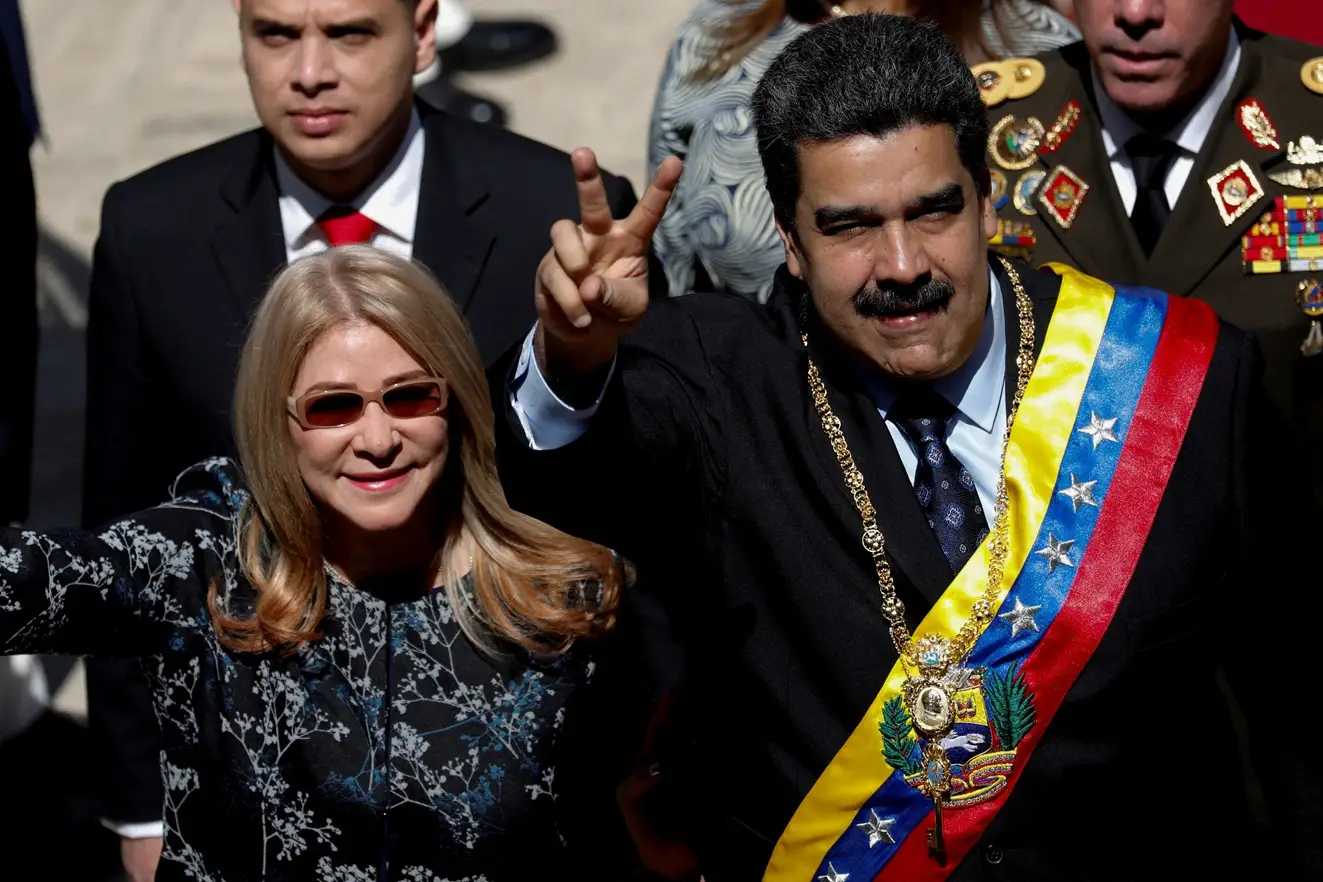
CARACAS, Venezuela — An armada of U.S. warships and fighter jets stood ominously near Venezuelan waters, and the Pentagon had already drawn up plans to capture or kill the country’s leader.
But as 2025 came to an end, President Nicolás Maduro seemed surprisingly relaxed, celebrating New Year’s Eve at home in Caracas, the capital, according to several people close to him.
Raízen: billionaire contribution coming? Analysts point out impacts for the company
Cosan and Shell capital injection proposal includes investment from private equity funds managed by BTG Pactual
Record $112 Billion Fraud Challenges Donald Trump’s Import Tariffs
United States businesspeople warn of the advancement of Chinese schemes that use shell companies and false data to evade customs taxes
The United States threatened to attack Venezuela if Maduro did not resign. Still, people close to him said the president repeated that the Trump administration would not dare attack Caracas.

Everything you need to know to protect your wallet
Maduro knew that spies were working against him and feared betrayal within his own ranks. Still, in late December, he told friends and allies that he still had time to negotiate a deal to stay in power or step down at a time of his choosing, reports said.
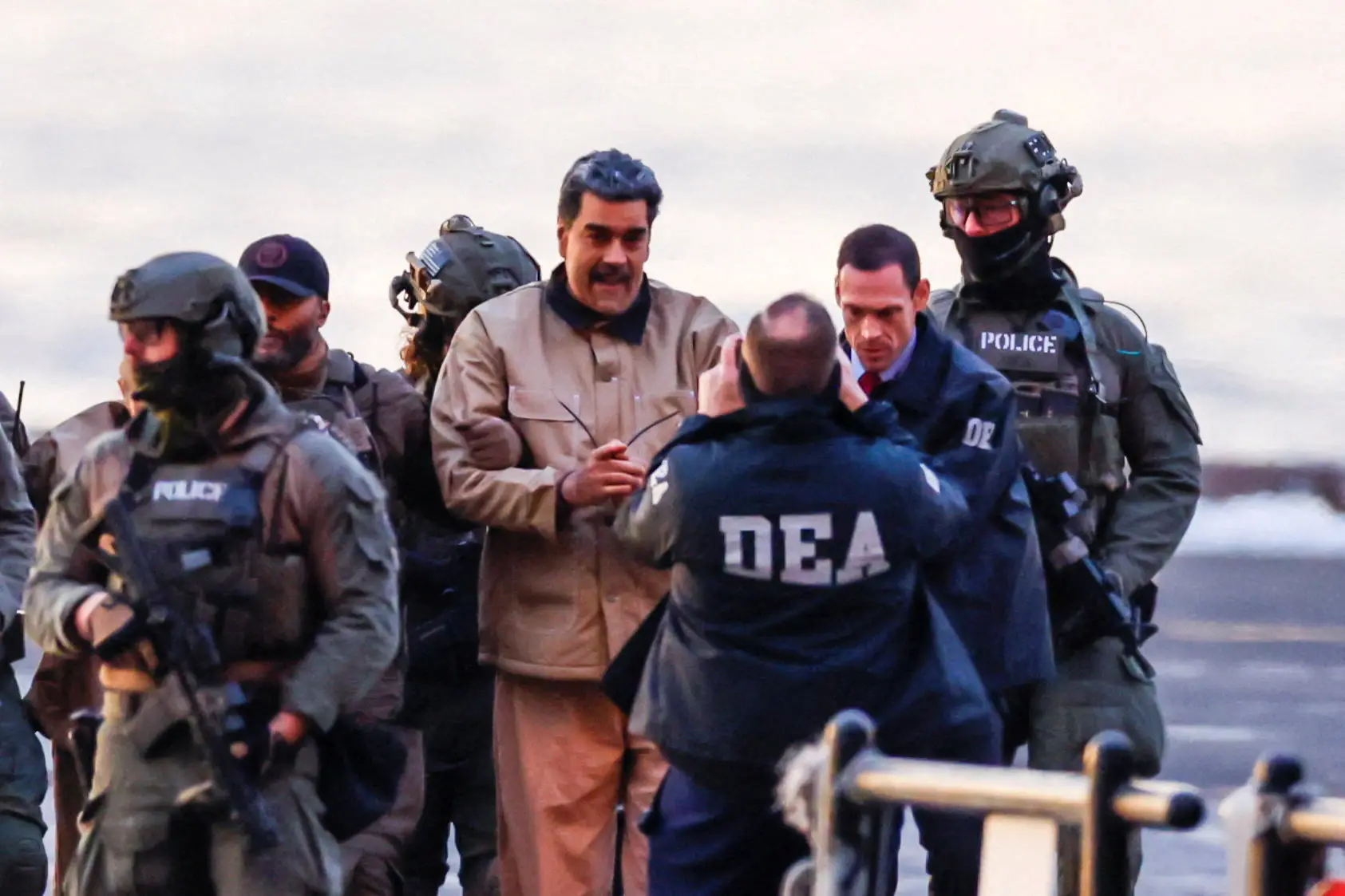
It was a remarkable miscalculation by Maduro, an autocrat who had repeatedly outmaneuvered opponents throughout his 13 years in government. His misreading of the Trump administration’s intentions had profound consequences: it resulted in the first foreign attack on Venezuelan territory in more than a century, landed Maduro and his wife in a New York prison, and changed the course of his country’s history.
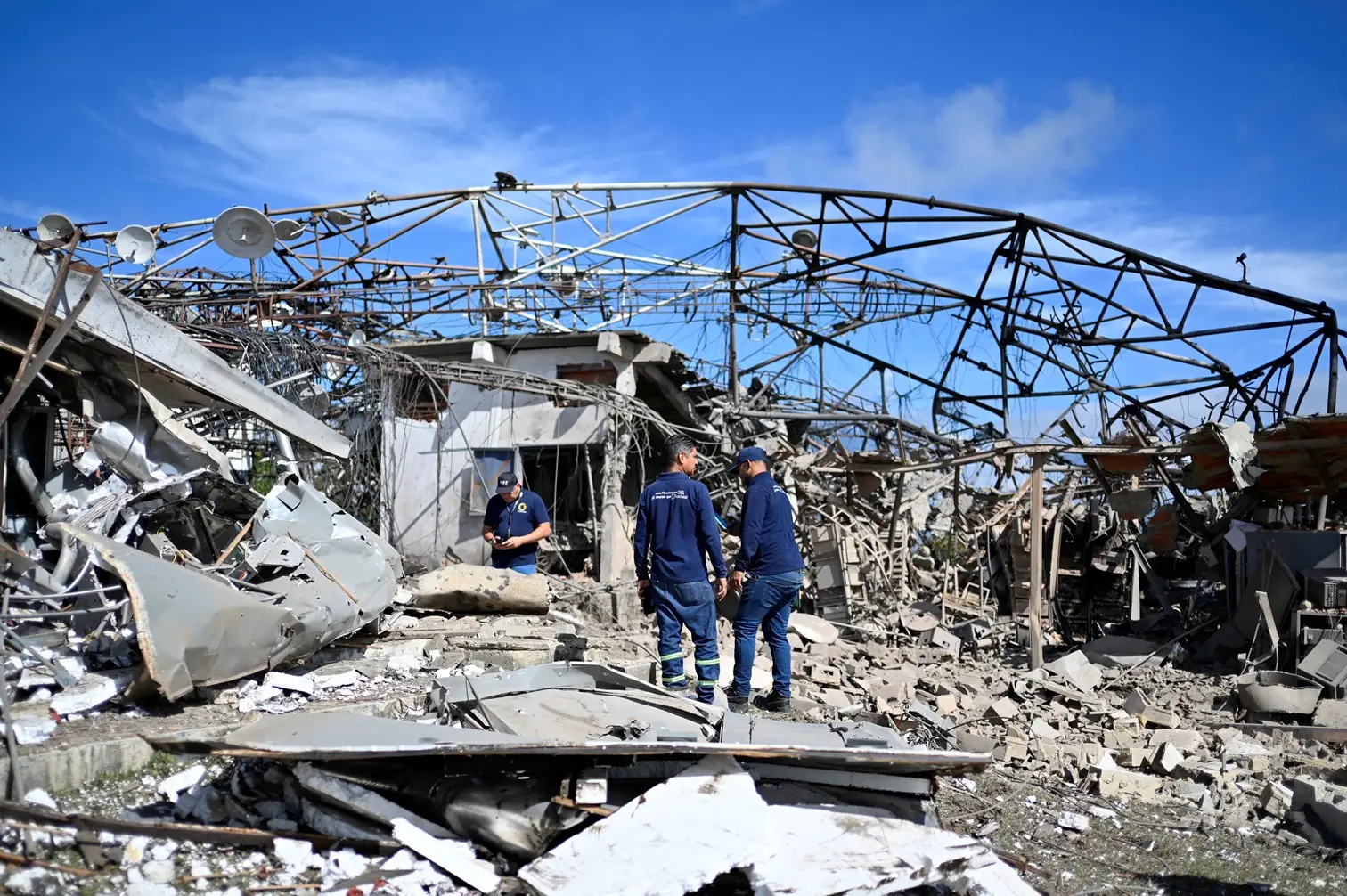
It also redefined the role of the United States in Latin America, ushering in a new and unpredictable era of “gunboat diplomacy.”
This account of the final weeks of Maduro’s presidency is based on interviews with a dozen of his senior officials, friends and allies. Their versions were confirmed through interviews with people close to Trump and other key figures, including Delcy Rodríguez, Maduro’s replacement, who entered into a forced alliance with the United States. They were not allowed to speak publicly.
Throughout the standoff with the White House, Maduro, 63, remained defiant and arrogant, a man who overestimated his own powers and underestimated the resolve of his adversaries, some of his close aides said.
“After years in power, you tend to overestimate your capabilities,” said Juan Barreto, a former government official who was once an ally of Maduro. “You end up listening only to those who want to please you.”
Trump had tried unsuccessfully to oust the Venezuelan leader in his first term, imposing sanctions on the country’s oil industry and recognizing an opposition leader as president. When Trump returned to the White House in January, he viewed Venezuela as unfinished business, according to U.S. officials.
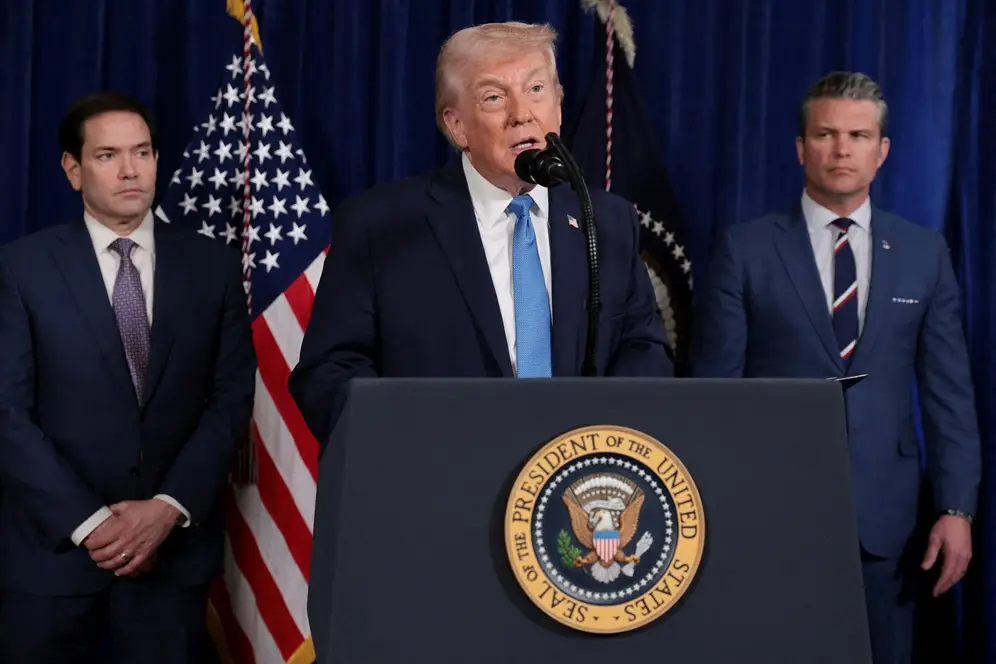
Trump went on to warn of an alleged “invasion” by a deadly Venezuelan gang acting on orders from Maduro, although US intelligence agencies concluded this was not true. His government further tightened sanctions and then began blowing up boats in the Caribbean, claiming they were targeting drug traffickers.
Trump and Maduro had the chance to resolve the conflict on November 21, the day the two leaders had their only known direct conversation. Trump spoke cordially with Maduro by phone for five to 10 minutes, according to four people familiar with the call.
Trump invited Maduro to Washington, a proposal the Venezuelan president politely declined, fearing a trap, these people reported. Maduro instead proposed a meeting in a neutral location outside the United States, which Trump rejected.
The call ended without concrete agreements or threats, three of those people said. But the two leaders came away with radically different conclusions, setting off a chain of misunderstandings that would culminate in the spectacular American attack.
Maduro thought his simple, conversational manner had won over an American president known for a disarming communication style, the people familiar with the call said. The Venezuelan leader, they said, believed he had gained time to negotiate an agreement.
Trump thought otherwise, said an American official familiar with the call. The president called hoping Maduro would present a specific plan for leaving office, the official said. But Maduro’s nonchalant attitude signaled to Trump that the Venezuelan was not taking him seriously.
A few days later, Maduro received a warning: he needed to leave, and quickly.
The message was conveyed personally to Maduro by Joesley Batista, a Brazilian billionaire with business in both the United States and Venezuela, who had recently met with Secretary of State Marco Rubio, according to three people familiar with the conversations.
Rubio made it clear to Batista that the United States wanted the Venezuelan leader to make a deal and leave the country. But when Maduro heard this, he took it as an ultimatum, bristled at the idea of leaving office and dismissed the threat, these people said.
Batista and Maduro’s lawyer declined to comment, and Venezuela’s Information Ministry did not respond to detailed questions. A senior US official said Maduro had been given several opportunities to reach an agreement and resign.
Instead of giving in, Maduro took to the streets to demonstrate control. He began to make unscheduled appearances almost daily at public events.
At the same time, Maduro was increasingly suspicious of his more pragmatic vice president, Rodríguez, according to some people close to him. It had been tightening control over national coffers, isolating rivals and advocating greater foreign investment.
Maduro considered firing her, some of these people said, but knew he needed Rodríguez’s management skills to keep the crisis economy running, they added.
Everyone interviewed for this article agrees that Maduro never seriously considered the possibility of resigning.
According to people close to him, Maduro was prepared for the Trump administration to intensify its military campaign and understood that the impasse could cost him his life. But he believed that the most likely outcome would be an American attack on Venezuelan oil installations or sites linked to drug trafficking.
And Maduro was confident that his armed forces, equipped with billions of dollars in Chinese and Russian weaponry, could inflict significant casualties, making an attack politically unpalatable for Trump.
The Venezuelan president remained confident in the loyalty of his security team and inner circle, but became increasingly concerned about US efforts to infiltrate the government and military. A close friend recalled that Maduro called him at the end of December to say he feared betrayal.
Maduro understood that he faced a new threat. He began to reduce social gatherings and canceled scheduled appearances. Most of his almost daily broadcasts on local radio and TV were recorded messages presented as live speeches.
To avoid detection by satellites or spy planes, Maduro spent more time under the protection of a small contingent of his Presidential Guard, which numbers 1,400 men, according to some people close to him.
But this decision, made to cover up his location, ended up leaving the Venezuelan leader with less protection in the face of an American attack, they said.
On December 10, the US detained a tanker carrying Venezuelan oil, triggering a partial blockade that has paralyzed the country’s main source of revenue. The blockage has idled Venezuela’s tankers and forced oil companies to reroute fuels to limited storage facilities. The country’s oil industry was on the brink of collapse.
In official meetings and personal conversations, Maduro remained calm, according to people who spoke to him in December, convinced that it was still possible to reach an agreement with the United States.
Until the end, these people said, Maduro refused to accept that Trump saw him personally as the main problem. Instead, he thought he just needed to find some economic “booty” that Trump actually wanted.
But by mid-December, Venezuela’s economic situation had become so precarious that Maduro began considering his eventual departure. He told one person that he could propose early elections, as early as 2026, and give up the position in favor of another candidate from the ruling party.
Washington, however, insisted on his immediate resignation.
On December 23, the White House made its final offer. At Washington’s request, Turkey’s government informed Maduro that the United States would not pursue him or target his fortune if he went into exile, according to a person familiar with the matter. (A Turkish official said Turkey was not discussed as a possible destination.)
Maduro rejected the offer, according to the American official. The operation was initially scheduled for the last weekend of December, but ended up being postponed for several reasons, including the unusually rainy weather in Caracas.
On Dec. 30, Rodríguez met with Maduro to try to convey the severity of the impending economic collapse precipitated by the U.S. blockade, according to three people familiar with the meeting. Maduro downplayed her concerns, they reported.
Maduro seemed determined to resist American pressure. He envisioned resorting to a grassroots struggle, abandoning oil production and growing all the necessary food domestically if necessary, one of the three people said.
Instead, in the early hours of January 3, United States military aircraft crossed Venezuela’s borders, attacked four military bases, overpowered Maduro’s security guards, and captured the president and his wife, killing more than 100 Cubans and Venezuelans.
