
Bill Gates thought that investment in OpenAI, owner of ChatGPT, would be a failure
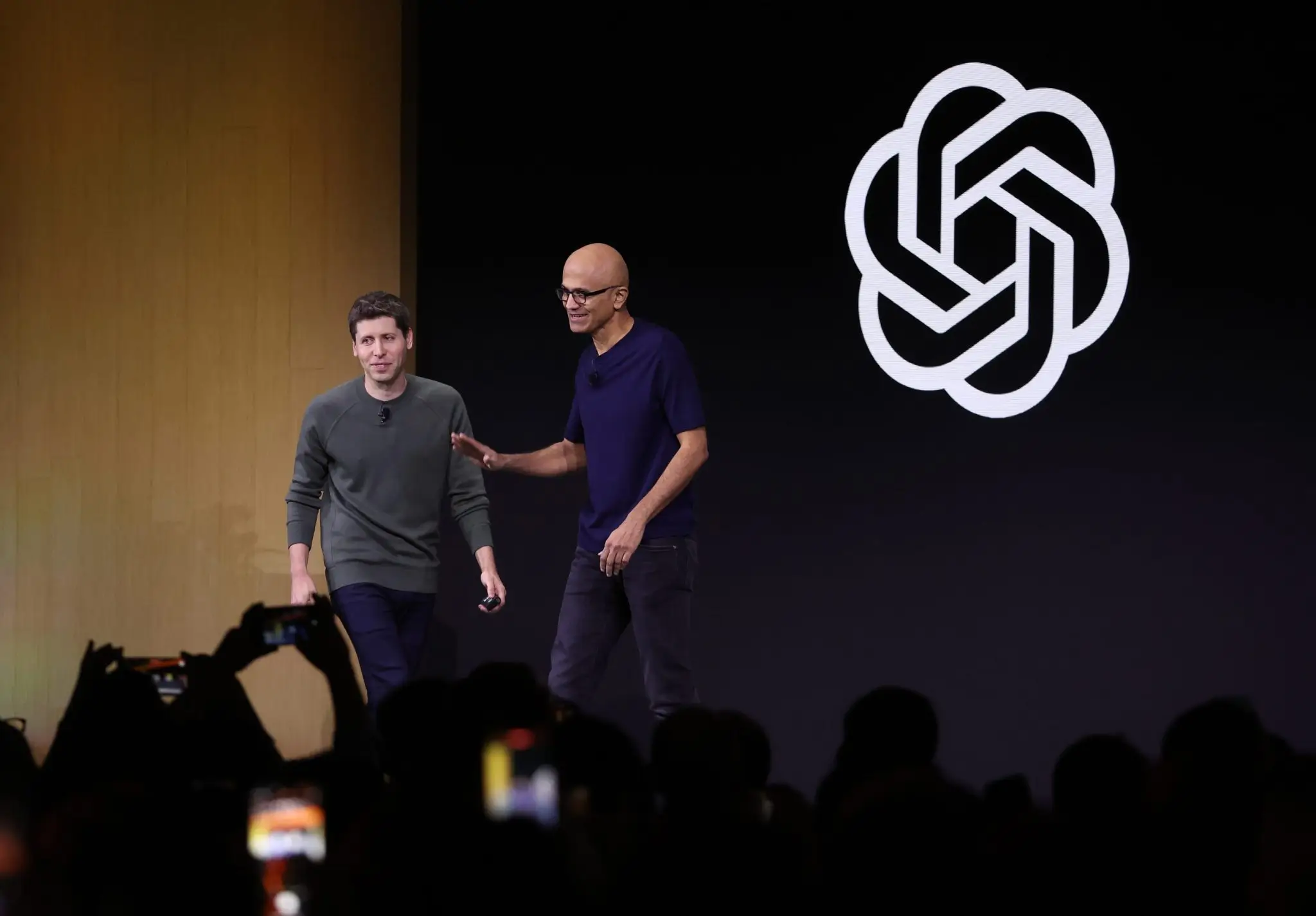
OpenAI is now the most valuable privately held company in the world, but when Microsoft originally invested $1 billion in the startup in 2019, it was far from a safe bet.
Microsoft CEO Satya Nadella faced resistance even from the company’s co-founder and former CEO, Bill Gates, as he recalled during an interview with the technology-focused YouTube channel TBPN.
Also read: Bill Gates donates US$8 billion to Melinda’s foundation after the couple’s divorce
Everything you need to know to protect your wallet
“Remember, this was a nonprofit, and I think Bill (Gates) actually said, ‘Yeah, you’re going to blow this billion dollars,’” Nadella said.
Still, Nadella and the Microsoft team were undeterred by the criticism. Although he highlighted that he had to follow the appropriate procedures and obtain approval from the board because of the size of the investment, he said that despite the risk, “it was not that difficult to convince anyone that this was an important area”.
“We had a little more risk tolerance and said, ‘Let’s go out there and let’s try,’” he added.
In 2019, Microsoft viewed the partnership and investment in OpenAI, in part, as a way to gain ground in artificial intelligence and help advance Azure’s AI capabilities.
However, according to Nadella, no one could have predicted the foundations laid by that first contribution, which led Microsoft to invest a total of US$13 billion in OpenAI.
“Looking back, who would have thought? I didn’t put in $1 billion saying, ‘Oh yeah, this is going to pay off a hundredfold,'” he said.
A Microsoft spokesperson declined a request for comment from Fortune magazine.
Microsoft began to reap the rewards of its investment in October, when OpenAI restructured itself to give Microsoft a 27% stake in the company, valued at about $135 billion.
Microsoft also gave up cloud exclusivity with OpenAI, but still reached a deal that sees OpenAI incrementally buy $250 billion worth of Azure services.
Fast forward to January, and Microsoft reported that OpenAI brought its net revenue to about $7.6 billion.
OpenAI will reportedly pay 20% of its revenue through 2032 to its big tech backer under a revamped deal that also gives the AI company more flexibility in deciding where it gets computing power (the fundamental processing power behind AI), including from companies other than Microsoft, according to The Information.
Despite his initial hesitation, Gates later said he was impressed by AI and its rapid development over just a few years.
In an appearance on The Tonight Show last year, the Microsoft co-founder told host Jimmy Fallon that, thanks to the rise of AI, in the future humans will not be needed for most tasks.
“There will be some things we reserve for ourselves,” he said. “But in terms of making things, transporting things and producing food, over time that will basically be a solved problem.”
