
Global economy faces prospect of another deep shock
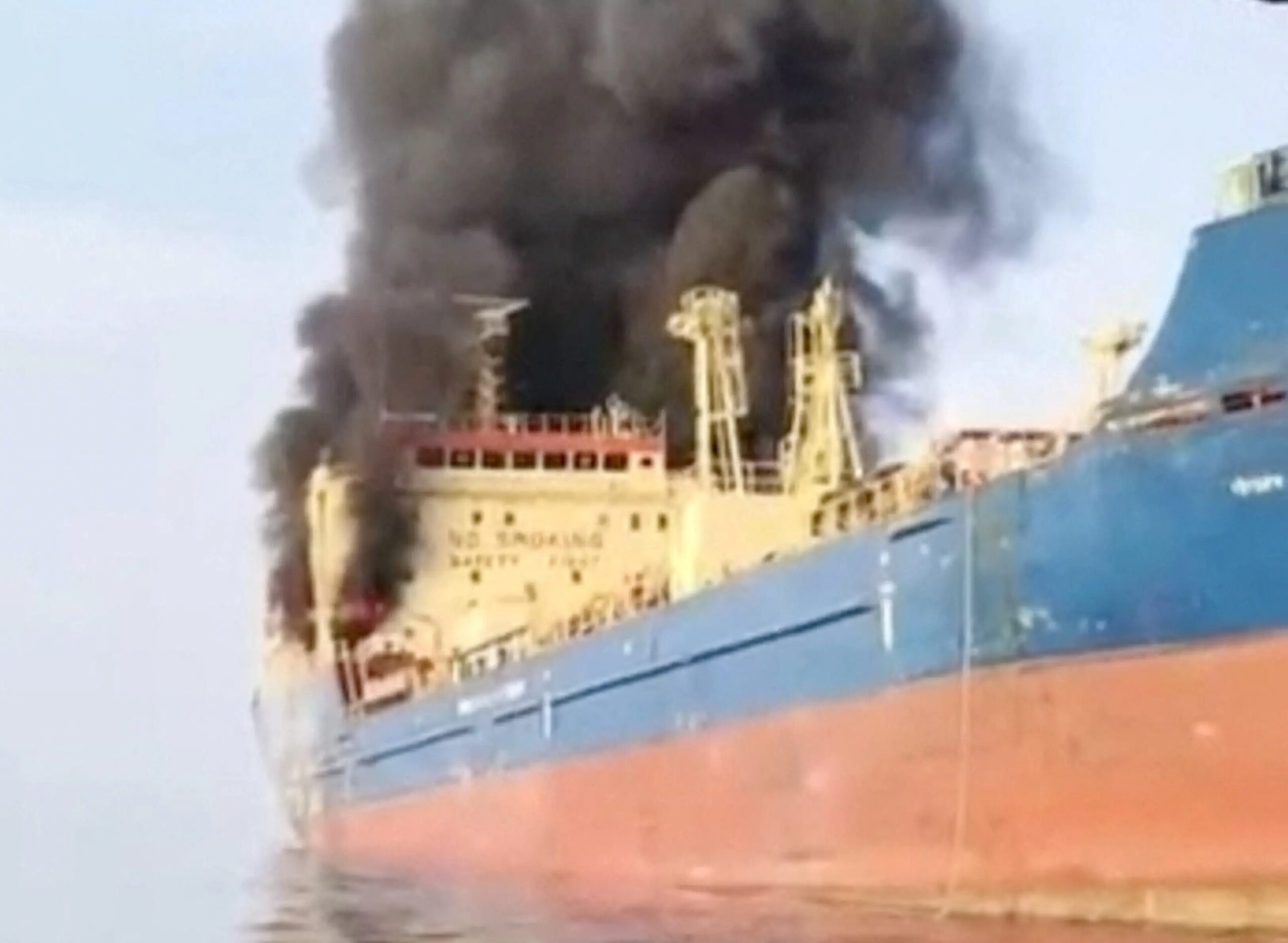
In the most optimistic scenario for the global economy, the most recent war in the Middle East ends in a few weeks. The region continues to produce oil and gas. Navigation resumes in the Strait of Hormuz, avoiding a shock to global energy supplies. The fear of inflation diminishes.
But experts warned against any hasty sense of tranquility. The US and Israeli bombings of Iran, and Iranian reprisals across the region, have triggered risks that pose a significant threat to the performance of the global economy.
Global energy costs soar with Iran crisis
Oil prices have risen more than 15% since Friday and the benchmark Brent contract gained 6% this Tuesday to more than US$82 per barrel
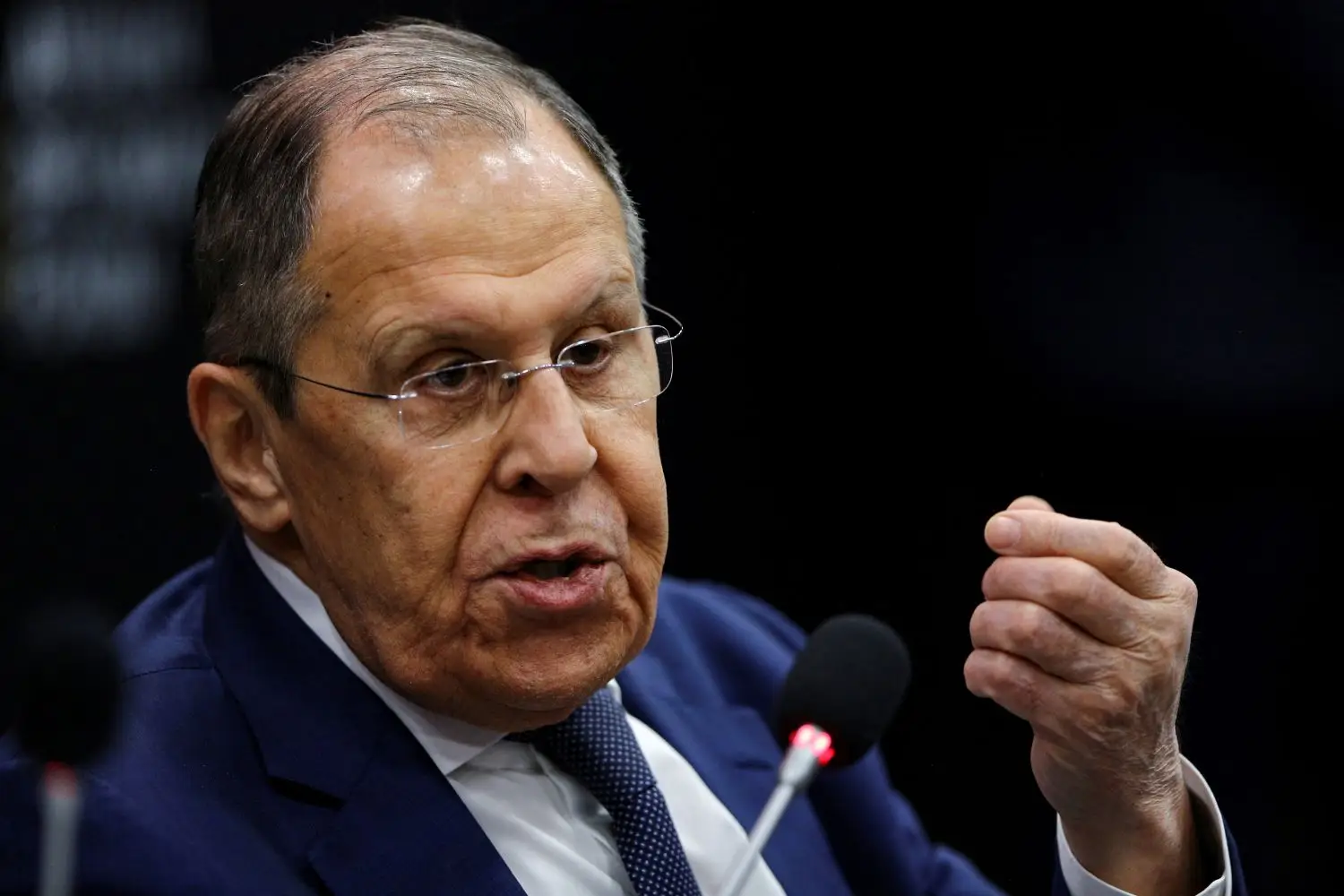
Russia: war could have the opposite effect, with Iran and Arabs seeking nuclear weapons
Sergei Lavrov stated at a press conference that Arab countries could also enter the race to build a bomb
The most alarming fears focused on the possibility that the Iranian government — brought to the brink of elimination — could trigger more aggressive retaliations, accepting as the cost of continuing to fight the near certainty of even more intense bombings on its own territory. Presumably, the Iranians would seek to undermine the oil and gas production capacity of regional powers, including Qatar and Saudi Arabia.
Any event that prolongs the conflict or threatens oil and gas sources is likely to raise energy prices to levels that would fuel inflation. This could lead central banks around the world to raise interest rates, making mortgages, car loans and other types of credit more expensive. And that would stifle household consumption and business investment — a classic path to recession.
“We are in a very delicate period,” said Kenneth S. Rogoff, former chief economist at the International Monetary Fund and professor at Harvard University.
A great chess master and history scholar, Rogoff showed skepticism regarding the consensus that the conflict will be short-lived. He cited the assassination of the eventual heir to the throne of the Austro-Hungarian Empire more than a century ago — an episode that triggered a global conflagration.
“It’s a bit like asking, when Archduke Ferdinand was killed, what the macroeconomic consequences would be, without having the slightest idea what would come after,” Rogoff said. “When World War I started, everyone thought it would end in a month.”
At the center of concerns, for now, is the fate of energy produced in the Middle East, the source of 30% of the world’s oil and 17% of natural gas. Any disruption to this flow would almost certainly provoke problems in the world’s largest importing nations—the major economies of East Asia and Europe.
Whenever the world has new reasons to worry about access to Middle Eastern oil, comparisons go back to the 1970s, when the Organization of Petroleum Exporting Countries imposed a series of shocks.
By cutting supply to raise prices, the cartel forced Americans to submit to a previously unthinkable indignity: standing in long lines at gas stations to buy rationed fuel and paying record prices to keep their huge sedans on the road.
Just as then, attention has turned to the Strait of Hormuz, the seaway that borders Iran and connects the Persian Gulf to the Indian Ocean. Around a fifth of the world’s oil supply passes through this corridor, much of it destined for Asia.
Pressure on traffic through the strait was especially intense in 1979, the year the US-backed shah of Iran was deposed in a revolution that brought to power the extremist government that has been in power ever since.
But this is where the historical parallels diverge. The cartel now known as OPEC+ has already promised to increase production to offset any stocks threatened by the war. Thanks in part to sharp increases in American production, the world’s oil supply often outstrips demand.
For many countries, the oil shocks of the 1970s, and the conflict in the Persian Gulf that followed, spurred the quest for greater energy self-sufficiency. The recognition that oil and gas involve ongoing geopolitical risks — not to mention climate change — has also driven a transition from fossil fuels to renewable energy sources. China and Europe led the charge, investing heavily in wind and solar energy.
But the current crisis highlights the harsh reality that the world remains heavily dependent on fossil fuels. If passage through the Strait of Hormuz is disrupted for more than a few weeks, and if Iranian missiles damage refineries, it will negate any immediate gains from cleaner energy sources.
And if refineries are shut down, it will ultimately limit the production of petrochemical products, including fertilizers. This could raise the cost of food production, threatening to worsen malnutrition in sub-Saharan Africa and South Asia.
“Oil and gas are still extremely important,” said Kjersti Haugland, chief economist at DNB Carnegie, a Nordic investment bank based in Oslo. Whatever the merits of the transition to green energy, she added, “there is still a long way to go.”
Oil prices soared more than 10% on Monday, a clear expression of concern about access to global energy supplies. But they backed off later in the day, an apparent acknowledgment that the concern was limited to the ability to export oil and gas from the Middle East.
China, Japan, Germany, South Korea, Taiwan, Italy and Spain — all important exporters of manufactured goods — are already facing the trade war led by President Donald Trump. They deal with tariffs and rising costs of raw materials like steel. Now, they also face the possibility that fuel prices will soar if the war in the Middle East does not quickly give way to diplomacy.
“The most vulnerable parts of the world are Europe and East Asia, as they depend on imported energy,” said Adnan Mazarei, senior fellow at the Peterson Institute for International Economics in Washington.
A sense of what is at stake emerged on Monday, when Qatar’s state oil company announced it was suspending production of liquefied natural gas, given the risks of transporting its output through the Strait of Hormuz. This caused the price of natural gas in Europe to skyrocket by 50%.
China appears especially vulnerable given its dependence on Iran for more than 13% of its oil imports. The Chinese government is already facing a disastrous drop in property prices, which has destroyed the savings of millions of families.
India faces specific difficulties. Last month, the Indian government promised Trump it would reduce its oil purchases from Russia as a way to get relief from American tariffs.
It sought to make up the difference by importing more oil from Persian Gulf suppliers such as Saudi Arabia and the United Arab Emirates. Now, war threatens these supplies as well.
India’s economy also depends on so-called remittances — money sent home by migrant workers employed in construction, retail and hospitality. Around 9 million Indian migrant workers are in the Persian Gulf, responsible for 38% of all remittances, according to analysis by Shumita Deveshwar of TS Lombard.
The United States may appear more protected, given its status as the world’s largest producer of crude oil and largest exporter of liquefied natural gas.
But even though American fossil fuel companies are in a position to profit from a prolonged rise in oil and gas prices, American consumers would almost certainly end up paying more for gasoline. The price of fuel spreads throughout the rest of the economy, putting upward pressure on costs.
This is the reality that leads many experts to assume that Trump will seek to end the conflict before higher energy prices have the chance to exacerbate rising consumer goods costs.
He owes his election, in part, to public dissatisfaction with the price of food. It could be politically risky to reach the November legislative elections with more expensive gasoline.
Still, over the longer term, the impacts of the ongoing conflict will tend to increase inflation, said Rogoff, the Harvard economist. The United States will need to replenish its weapons stocks, increasing the national debt.
“We will end up spending a lot more on the Armed Forces, and that will have implications for interest rates and inflation,” said Rogoff. “That’s already on the horizon.”