
PSOL refuses federation with PT for 2026 elections
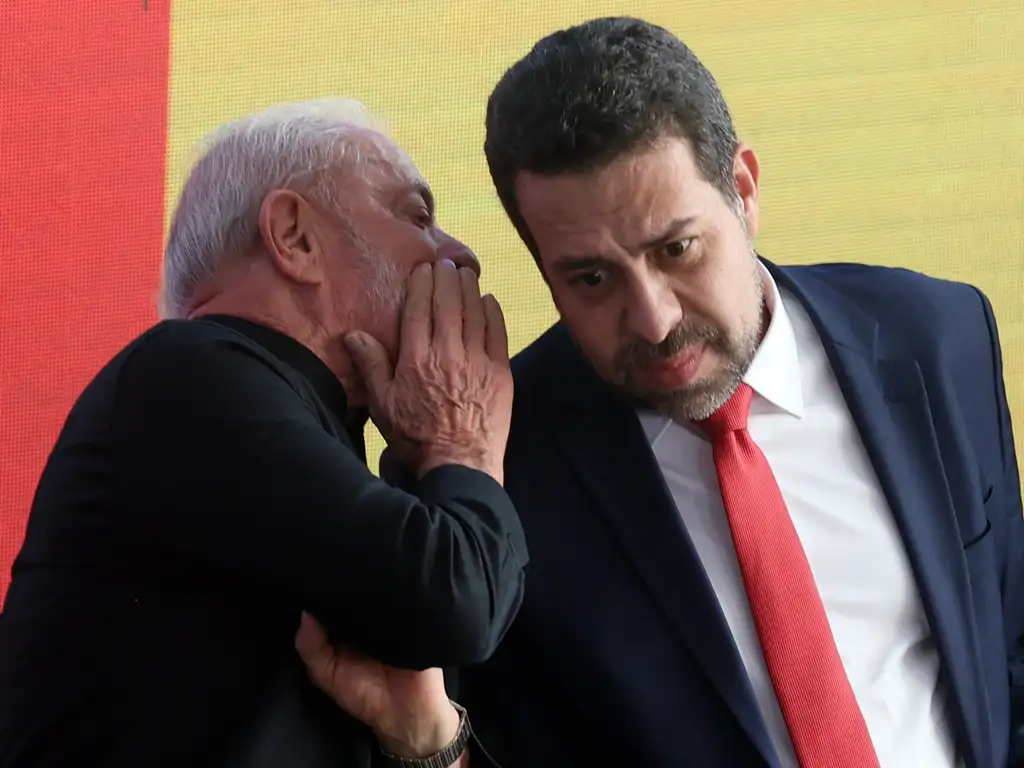
PSOL vetoed the proposed federation with the PT for the 2026 elections. The idea was debated this Saturday, 7th, in a virtual meeting of the party’s national directory. There were 47 votes against and 15 in favor.
“The topic was accepted and, like the others, debated in a democratic and broad way, in accordance with our party tradition. We will now continue guided by the decisions taken today, but always with respect for divergent positions”, said, in a note, the national president of PSOL, Paula Coradi.
The party opted to renew its alliance with Rede Sustentabilidade. During the debate, the PSOL leadership assessed the results of the last four years as positive, consolidating the federation as a strategic tool to overcome the barrier clause and guarantee institutional maintenance and access to resources.
“The preservation of the partnership aims to strengthen the benches and expand federal and state representation, preserving the political autonomy and identity of each party within a programmatic unit,” said the party in a statement.

Datafolha: with Lula and Flávio in the 2nd round, 10% would vote blank/null and 1% don’t know
In the second round dispute, Lula’s advantage over Flávio fell from 15 to 3 points

Lula signs MPs to support flood victims in Minas Gerais
Affected families will receive financial support of R$7,300
Defeat of Boulos’ group
The PSOL branch led by the Minister of the General Secretariat of the Presidency, Guilherme Boulos, had been suffering losses in recent weeks amid internal pressure for the party to agree to form the federation.
The refusal highlights the resistance among a large part of the party’s members around the idea of joining the PT, almost 22 years after the dissent within Lula’s party that gave rise to the PSOL itself.
Boulos’s Solidarity Revolution defended “political unity for 2026 and the future”.
In recent weeks, the minister’s emphatic defense of a federation with the PT provoked a reaction from members of the group itself.
Two of them, Florianópolis councilor Ingrid Sateré Mawé and economist José Luis Fevereiro, who was part of the PSOL national leadership, decided to leave the Solidarity Revolution.
In a letter, the two identified Boulos’ defeat in the race for Mayor of São Paulo in 2024 as the source of pressure for federation with the PT.
“Boulos and the leadership group of the Solidarity Revolution changed their strategy. They looked for a shortcut”, writes Fevereiro. “It is no longer a question of accumulating strength on the left to compete for hegemony in the next political period, but of locating Guilherme Boulos as close as possible to Lula to try to jump the queue for the ‘blessing’ in 2030.”
The position against the federation was publicly expressed by other PSOL currents, such as Movimento Esquerda Socialista and Primavera Socialista.
“PSOL’s federation with PT doesn’t help at this moment. The debate is legitimate. But at this moment it doesn’t fit”, says deputy Talíria Petrone (PSOL-RJ), who led the party last year, in a video on social media.
She gives two reasons. “One is mathematical: two federations, more candidates. More than a thousand candidates or just over five hundred candidates on the left to re-elect the president? Second, the PT and PSOL federation have complementary roles”, he says. She adds that the party must comply with the barrier clause, PSOL’s biggest concern this year.
The current leader of the party in the Chamber, Tarcísio Motta (RJ), endorses Talíria. “Unity to re-elect Lula, independence to build the future”, he states.
The argument that federating with the PT would involve the PSOL alongside the mayor of Rio, Eduardo Paes (PSD), in the dispute for state government this year, weighs heavily on the State.
Other party members also remember that PSOL has different agendas than the PT in areas such as the environment and even the economic agenda. These criticisms would be suppressed if the federation moved forward.
The PSOL components most aligned with Boulos argue that it would be impossible for the party to survive without forming a federation. They also remember that the Network may separate from the PSOL this year and that there are PT state deputies who still reject alignment with the mayor of Rio.
The barrier clause is a Brazilian electoral rule that establishes a minimum level of electoral performance in this year’s elections to ensure that parties can access the Party Fund and advertising time on radio and television.
In 2026, to win this clause, parties will need to have at least 2.5% of the valid votes distributed in at least nine States, with a minimum value of 1.5% in each of these States, or elect 13 federal deputies, distributed in at least nine States.
In 2022, in federation with Rede Sustentabilidade, the party elected 14 deputies and gained another parliamentarian to the bench after the reversal of an electoral result in Amapá. Today, the federation has 11 deputies from PSOL and four from Rede.
Those elected by the party are, for the most part, from Rio de Janeiro and São Paulo. The only exceptions are Célia Xakriabá (MG) and Fernanda Melchionna (RS).
Members of the party opposed to the federation recognize that compliance with the clause would become more difficult, especially if Boulos decided to leave and migrate to the PT and tried to take another big vote-puller, deputy Erika Hilton (SP).
However, they assess that there may be growth in the vote of party parliamentarians and they also see the possibility of PSOL attracting big names for the elections.