
STF judges corruption case involving parliamentary amendments for the first time
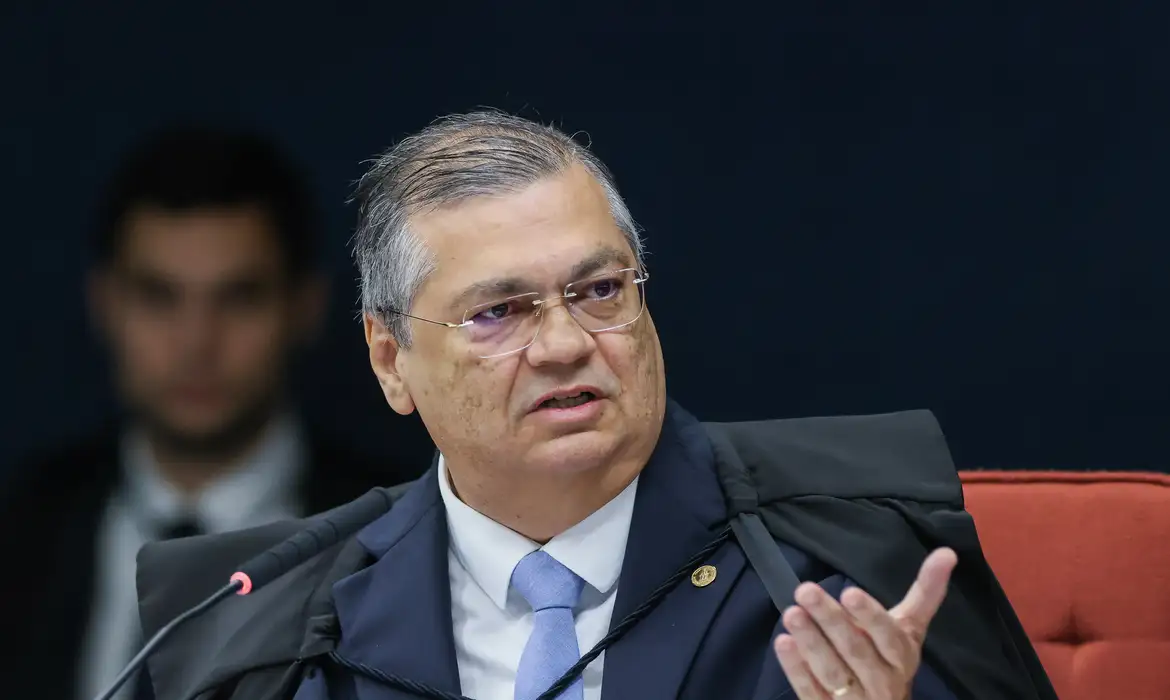
At a time when the Federal Supreme Court (STF) is under pressure, exhausted by the revelations of the dialogue between banker Daniel Vorcaro and minister Alexandre de Moraes, the First Panel will begin the trial of the first corruption case involving deputies for the misuse of parliamentary amendments.
With Flávio Dino heading a series of investigations into misuse of this type of resource, the case under the responsibility of Cristiano Zanin is seen by the Court as an important test to position itself in an arm wrestle with Congress. Since he began to impose transparency measures and act as rapporteur for processes on the subject, Dino has been the target of protests from congressmen, who seek to maintain autonomy to decide the future of a relevant portion of the Budget.
The expectation among collegiate ministers interviewed by GLOBO is that the trial will be concluded during the week. The members of the First Panel, including Dino, Zanin and Moraes, will decide whether to convict federal deputies Josimar Maranhãozinho (PL-MA), Pastor Gil (PL-MA) and substitute Bosco Costa (PL-SE), accused of participating in an amendment commercialization scheme.
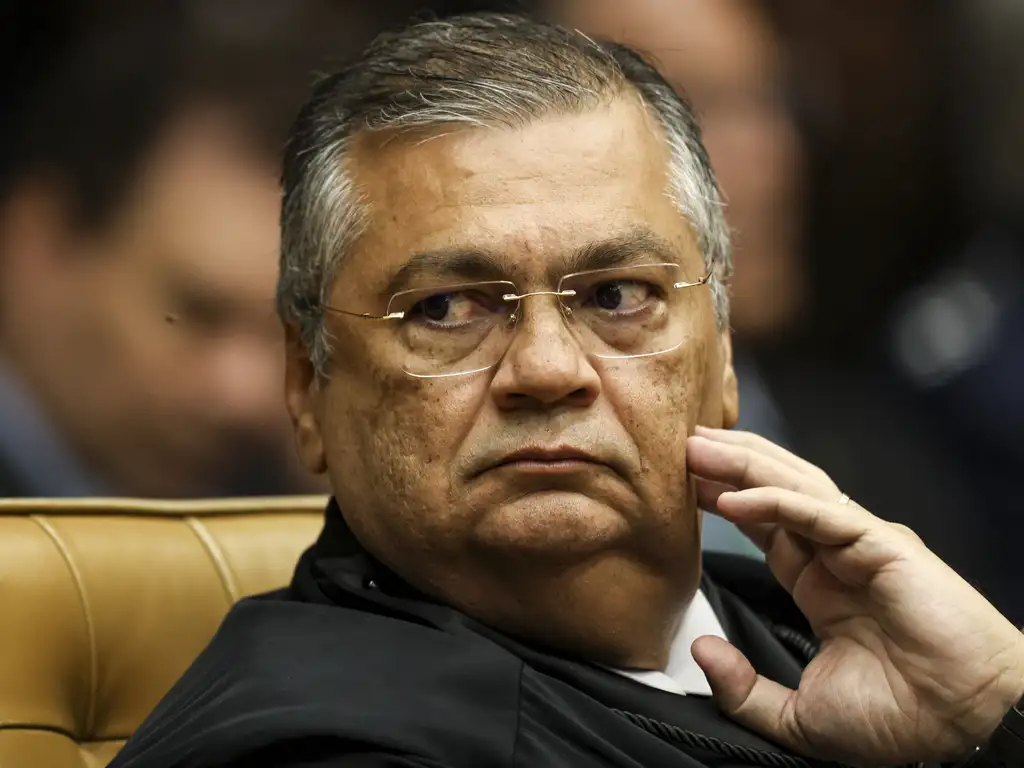
STF judges PL deputies accused of asking for tolls in amendments to the secret budget
Trial takes place after PGR complaint against three deputies accused of being part of a criminal scheme involving R$6.67 million in amendments
According to the accusation, the parliamentarians had requested undue advantages in exchange for the allocation of federal resources to municipalities.
In the midst of the biggest crisis since redemocratization, the judges hope, in the votes, to give messages on the issue and try to get out of the ropes. The same repositioning also occurs with the decisions that limited super salaries in all spheres of power.
The judges’ assessment is that the analysis of the case, which involves PL deputies, may highlight illegal practices related to the use of public resources and serve as a response to accusations that the STF is advancing Congress’s duties.
Today, at least 20 investigations involving senators and federal deputies on suspicion of misappropriation of these resources are being processed by the Supreme Court.
According to the Attorney General’s Office (PGR), the group charged bribes from mayors interested in receiving resources from parliamentary amendments, demanding a percentage of the amount released. The investigation points out that the negotiation would involve the allocation of public funds for municipal works and projects through illicit payments to parliamentarians.
The investigations brought together several elements considered relevant by investigators, including records of conversations, documents and videos. Among the evidence cited by the PGR is a recording in which Josimar Maranhãozinho appears handling bundles of money that, according to investigators, came from the alleged corruption scheme.
If convicted, they will become the first parliamentarians punished for deviations from amendments by the Supreme Court, which has been closing the deal since 2021, when minister Rosa Weber overturned the so-called “secret budget”.
Inside the court, the ministers’ assessment is that the trial can act as a kind of “antidote” to the criticism. The expectation is that the analysis of a specific case involving alleged deviations will show that the investigations focus on possible irregularities and not the legitimate functioning of the parliamentary amendments mechanism.
Furthermore, members of the Court assess that a possible conviction in the process could reinforce the narrative that there are structural problems in the use of these resources and that judicial control has become necessary in the face of suspicions of corruption.
Attorney of the Public Ministry of São Paulo and president of the Instituto Não Aceito Corrupção, Roberto Livianu states that holding parliamentarians accountable for the alleged irregular use of amendments could represent a milestone in the control of the public budget.
— From 2014 onwards, the amount of amendments increased by more than 30,000% without respecting the constitutional principle of separation of powers as well as publicity. The imminent accountability of parliamentarians for misuse of amendment resources represents a historic moment for the protection of the budget and public assets in Brazil and especially the prevalence of public interest — he pointed out.
Dino Factor
When the analysis of the case begins next Tuesday, the ministers of the First Panel will learn about the report and the vote of the rapporteur, minister Cristiano Zanin, on the process. The panel will also hear the lawyers’ oral arguments and, finally, they will give reason or not to the minister’s understanding.
In addition to Zanin, Dino and Moraes, minister Cármen Lúcia also makes up the group. Current president of the collegiate and, therefore, last to vote, Dino is the rapporteur of the main action that deals with parliamentary amendments, previously reported by Rosa.
Therefore, his vote, like Zanin’s, has been awaited by members of the Chamber and Senate, and also the Executive, who are waiting to hear the messages that will be given by Dino — even if the score is already eventually formed in favor of convictions.
During the week, Dino prohibited the withdrawal of resources in cash from parliamentary amendments and determined that the movement of these amounts must be carried out exclusively by electronic means, such as bank transfers and Pix.
“I note that, due to the primacy of transparency, traceability and probity, withdrawals in kind of amounts arising from parliamentary amendments must be definitively prohibited, in accordance with appropriate regulatory standards,” wrote the minister.
According to the determination, amounts transferred through amendments can no longer be withdrawn “out of pocket”, not even when they are already in the accounts of companies contracted to carry out works or services. Transactions must occur exclusively by electronic means, such as bank transfers or Pix.
In addition to the most recent one, Dino’s decisions with the opening of investigations and blocking of resources generated reactions in Congress, which see interference in the Planalto Palace in the magistrate’s decisions. The minister determined, for example, the requirement for the godparents to present the nominations and also the presentation, in the case of the Pix amendments, of an action plan for the investment of resources. In the last ten years, the value of amendments has increased dramatically. In 2015, in values adjusted by the IPCA, it was R$16 billion. This year, the resource foreseen in the Budget is R$51 billion.
