
Ghost fleet and illegal oil continue to transit the Strait of Hormuz
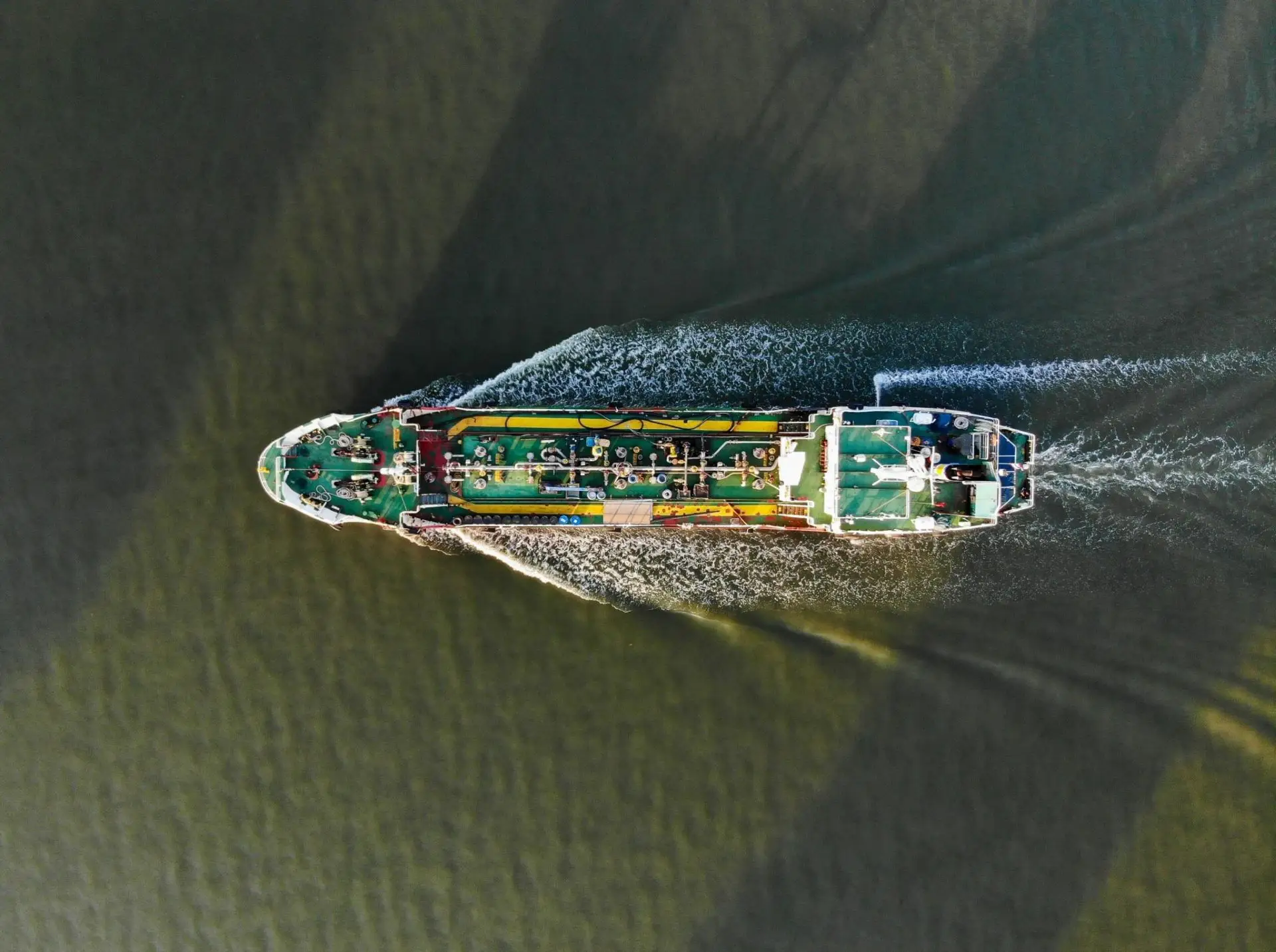
This morning, three vessels were hit while trying to cross the Strait of Hormuz. The strait is effectively closed. Since the start of the conflict involving the United States, Israel and Iran on February 28, tanker traffic through the world’s most critical chokepoint for oil transport has collapsed, with a reduction of more than 90%.
Iran has threatened to destroy any ships, including oil tankers, that pass through the strait, which links oil deposits from the Persian Gulf to the Arabian Sea and the rest of the world. Insurers that protect ships against the risks of sailing in war zones are deciding whether to issue coverage individually for each vessel. The international body that sets many of the shipping regulations has told ship crews that they have the right to refuse to sail in the area.
On March 6, more than 400 oil tankers were stranded in the Persian Gulf without their owners’ permission to move.
But some vessels still transit the strait. The majority of ships still sailing are those that operate outside the rules.
Also read: Trump says US is analyzing straits amid war with Iran
In maritime circles, these vessels are called “shadow fleet”. These are vessels that ignore international restrictions on trade with certain countries, violate anti-pollution regulations, smuggle unauthorized goods or do not want their cargo or activities to be closely monitored.
They exist, even in a world filled with electronic tracking, because the world’s oceans are not governed in the same way as the land. On land, armed personnel closely monitor carefully demarcated borders, seeking to force everyone to follow clear rules. But at sea, regulation is almost the opposite. The system that governs international maritime transport is, in essence, voluntary.
Also read: G7 leaders agree to examine option of escorting ships in the Persian Gulf
Oceans run on trust
Ship tracking is voluntary. The International Convention for the Safety of Life at Sea – signed by 167 countries – requires almost all commercial vessels to carry a radio transponder that transmits the ship’s identity, position, speed and heading to port authorities, coast guard and commercial tracking networks.
This international agreement, which is applied by each country individually, requires ships to keep their transponders turned on and active. But there is no physical mechanism that prevents the crew from turning it off or transmitting to a false position.
When a vessel turns off its transponder and disappears, it doesn’t trigger an alarm at some global maritime hub. There is no such center. The ship simply disappears from the map. Of all the maps.
National jurisdiction is a matter of preference, not law. Every vessel sails under the flag of a nation, and that nation is theoretically responsible for regulating and inspecting it. But in practice, registering a ship in a particular country is a commercial transaction. Many law-abiding shipping companies make this business decision, but this system opens loopholes for those seeking to circumvent the rules.
A ship owned by a shell company in the UAE may be registered under the flag of Cameroon, Palau or Liberia, or any country that does not have the resources or incentive to carry out actual inspections. Even Mongolia, a landlocked country, has a record of ocean-going ships flying its flag.
When a vessel is inspected by port inspectors or the coast guard, it can simply re-register under a different flag. Some registries even offer online registration. If the new registration is fraudulent or if the registration does not actually exist, the vessel effectively becomes stateless.
And what about insurance?
Then there is insurance, which is the closest oversight mechanism the maritime system has. Traditional insurers, mostly based in London, require vessels to meet safety standards, carry appropriate documentation and comply with international trade sanctions.
A ship without insurance coverage cannot easily enter important ports or conclude cargo contracts with reputable companies. These restrictions were precisely what prevented so many law-abiding ships from entering the Persian Gulf when the war began.
But companies can also circumvent these rules. Two-thirds of the ships carrying Russian oil – whose trade is restricted by the US and other countries – reportedly have “unknown” insurers, meaning no one knows who to turn to to cover the costs of cleaning up after a spill or collision.
The enforcement mechanism works until shipowners realize they can simply opt out, using less reliable ports or transferring oil from one ship to another on the high seas.
How does the “ghost fleet” operate?
The results of this voluntary system can be surreal. In December 2025, the United States seized a sanctioned oil tanker called Skipper, which was sailing under the flag of Guyana – even though that country had never registered it. The vessel was, in legal terms, stateless, sailing without the authority of any nation on Earth.
Another vessel, the Arcusat, went further. Investigative reporting revealed that she had changed her International Maritime Organization (IMO) identification number, a unique seven-digit code permanently assigned to each ship. It’s the maritime equivalent of scratching off a car’s chassis number.
Now, imagine these techniques together. An entity purchases an old oil tanker that would otherwise be scrapped. It registers the ship through a shell company, pays for a flag of convenience, takes out opaque insurance and turns off its transponder when approaching sensitive waters.
It carries sanctioned oil through an offshore ship-to-ship transfer and delivers its cargo to a buyer who asks no questions. If the vessel attracts attention, it changes its name, re-registers under a different flag and starts the process over again.
According to maritime intelligence company Windward, approximately 1,100 ships from the clandestine fleet have been identified globally, representing around 17% to 18% of all tankers carrying liquid cargo, mainly oil.
Also read: Venezuela’s oil ‘ghost fleet’ emerges after Maduro’s ouster
Why does this matter now?
The clandestine fleet did not emerge because the maritime system is bankrupt. It arose because the system is based on voluntary participation, theoretically guaranteed by market forces.
For the system worked not because it imposed decades of compliance, but because opting out was more costly than opting in.
What has changed is that international sanctions have made compliance ruinously expensive and politically disastrous for some countries. A system based on voluntary participation, it turned out, could be abandoned voluntarily.
If your national economy depends on oil exports and the compliance system is preventing those exports, you build a parallel system. Iran began doing this in 2018, after the reimposition of sanctions in the context of negotiations over its nuclear program. Russia drastically expanded this system in 2022 with restrictions imposed following the invasion of Ukraine.
Now, with the Strait of Hormuz effectively closed to regular maritime trade, the only vessels still sailing are those that ignore the rules.
But the existence of the clandestine fleet does not mean that the rules of the sea have failed. On the contrary, it reveals what kind of rules they always were. If much of the oil that continues to circulate in the midst of a crisis is illegal, that sends a message to those still following the rules: opting out may be a viable option.
The evidence that this is happening is already accumulating. There are reports of ships turning off their AIS systems to confuse tracking, and more companies may choose to follow the example of Greek company Dynacom, sailing through the strait despite the risks.
This article was originally published on Fortune.com.
