
Former CEO of Goldman Sachs says diversity programs are “counterproductive”
The 2020 murder of George Floyd sparked a movement for racial justice that extended from grassroots activism to corporate boardrooms. Companies have launched initiatives to ensure their workforces are more inclusive of underrepresented communities in a modernization of diversity, equity and inclusion (DEI) initiatives. Many have committed to investing billions of dollars to promote racial equity and gender equality.
But in less than five years, the tide turned against DEI campaigns when the 2023 Supreme Court ruling against affirmative action programs chilled those efforts. And on the second day of his second term, President Donald Trump kicked off an “anti-woke” agenda through an executive order that rolled back Biden-era federal DEI initiatives — a move whose effects have rippled across the corporate world.
Also read: With new political environment, Goldman Sachs abandons inclusion rules on its board
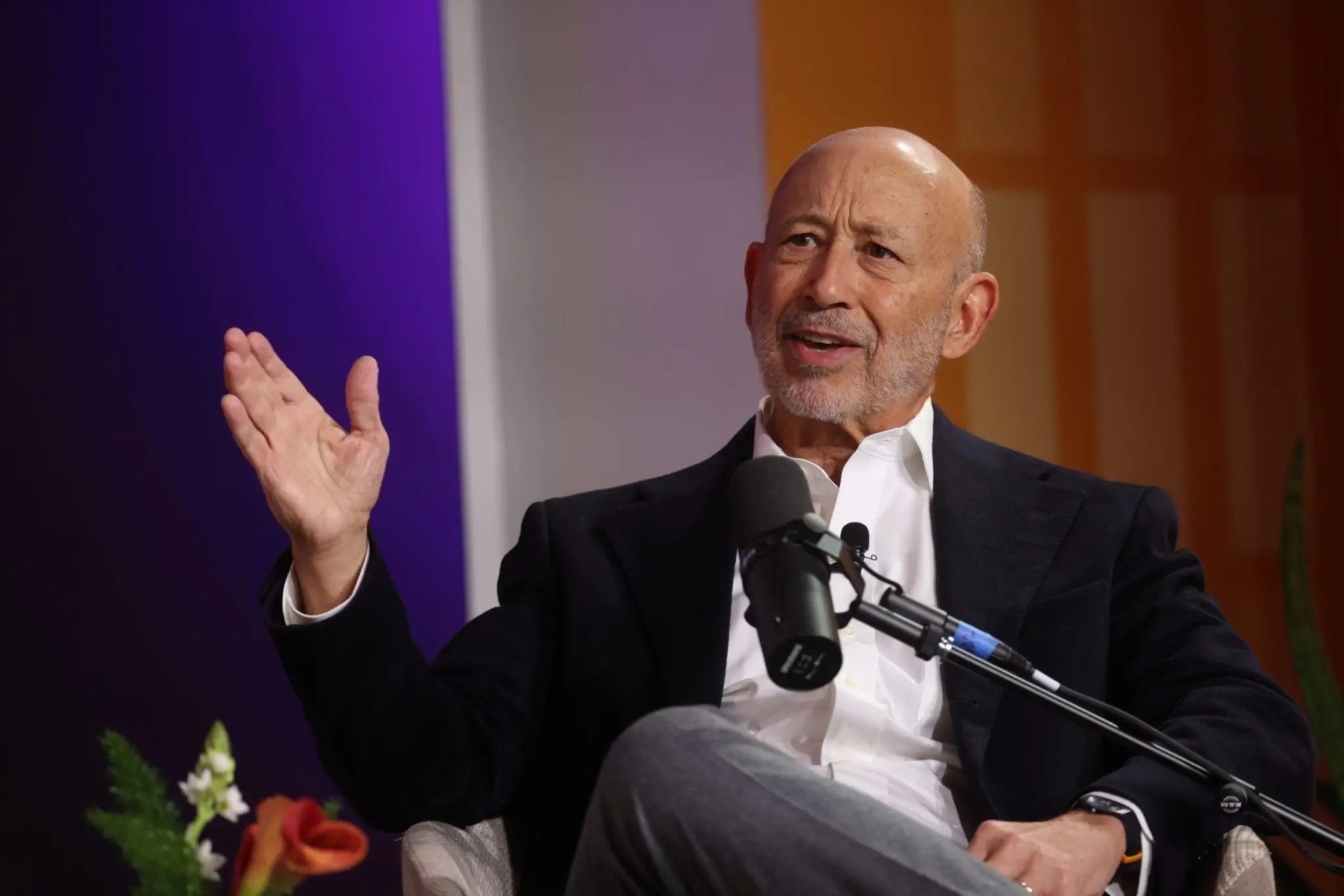
Now, former Goldman Sachs CEO Lloyd Blankfein is criticizing past DEI efforts, including those implemented at Goldman, claiming the company’s initiatives are self-sabotaging. In a recent interview with CBS Sunday Morning about his new book, “Streetwise: Getting To and Through Goldman Sachs”, the billionaire explains why he considers DEI initiatives useless.
“Special programs we ran for minorities in the company were often counterproductive,” Blankfein said. “That might sound provocative to some people. But I think if you label something as a reinforcement or correction program, in some ways you’re also labeling the people who go into that program.”
Before 2025, the financial institution maintained diversity criteria for its board and adopted inclusive language on its website that highlighted a commitment to hiring people from marginalized groups.
Many Fortune 500 companies have scaled back their DEI programs over the past year. Trump’s attacks on these initiatives have spurred change across corporate America.
Target began phasing out diversity, equity and inclusion initiatives in January of last year, prompting civil rights activists to launch a nationwide boycott against the retail giant. Walmart, Pepsi and several other prominent companies have also scaled back their DEI efforts.
The changing corporate diversity landscape
Modern DEI programs have their origins in the US Civil Rights Act of 1964, which led to the implementation of affirmative action policies designed to address the historical underrepresentation of certain groups.
Over time, this inclusion agenda has expanded beyond racial equity to also encompass gender, ethnic, religious, and LGBTQ communities. DEI advocates say these initiatives help dismantle systemic barriers that have historically excluded marginalized groups and argue that these barriers still exist today.
Goldman Sachs was one of many companies that in 2025 pulled back on their DEI initiatives. The company suspended the diversity requirement for companies it takes to the stock exchange, which required these companies to have two diverse board members.
It also removed expressions such as “racial equity” and “gender equality” from the “diversity and inclusion” page on its website. And in a document filed in February last year, the bank noted that its previously established five-year goals — described as “aspirational and representational” — would expire in 2025. The company also reportedly eliminated DEI criteria for its board in February.
“This reflects the changing legal environment and adapting to the realities of these legal transformations,” a Goldman Sachs spokesperson told Fortune. “We firmly believe that we benefit from diverse perspectives and experiences and are committed to maintaining programs that attract the best talent and comply with the law.”
While some companies have eliminated or drastically scaled back DEI initiatives, many have actually doubled down. Apple has maintained its trajectory in its inclusion and diversity efforts, preserving a page dedicated to “racial equity and justice” on its website.
“A more equitable world is a better world,” says the page. “That’s why we continue to expand opportunities for Black, Hispanic/Latino and Indigenous communities.”
Costco has also strengthened its stance on diversity: Last year, more than 98% of shareholders voted against an anti-DEI resolution pushed by conservative activists, drawing support from civil rights leaders and progressive consumers.
Delta and Cisco also maintained their DEI programs. Delta claims to hire based on skills and has removed the degree requirement for most positions. Cisco has developed several recruitment panels to expand the hiring of people from marginalized communities.
Blankfein acknowledged there are other ways to approach diversity and inclusion. “Programs that promote career advancement and education for all must be done very well,” he said. “This will especially help the people who need it most, which may include those who would otherwise be in these DEI programs.”