
Kharg Island is a tempting target for Trump — but with high risks
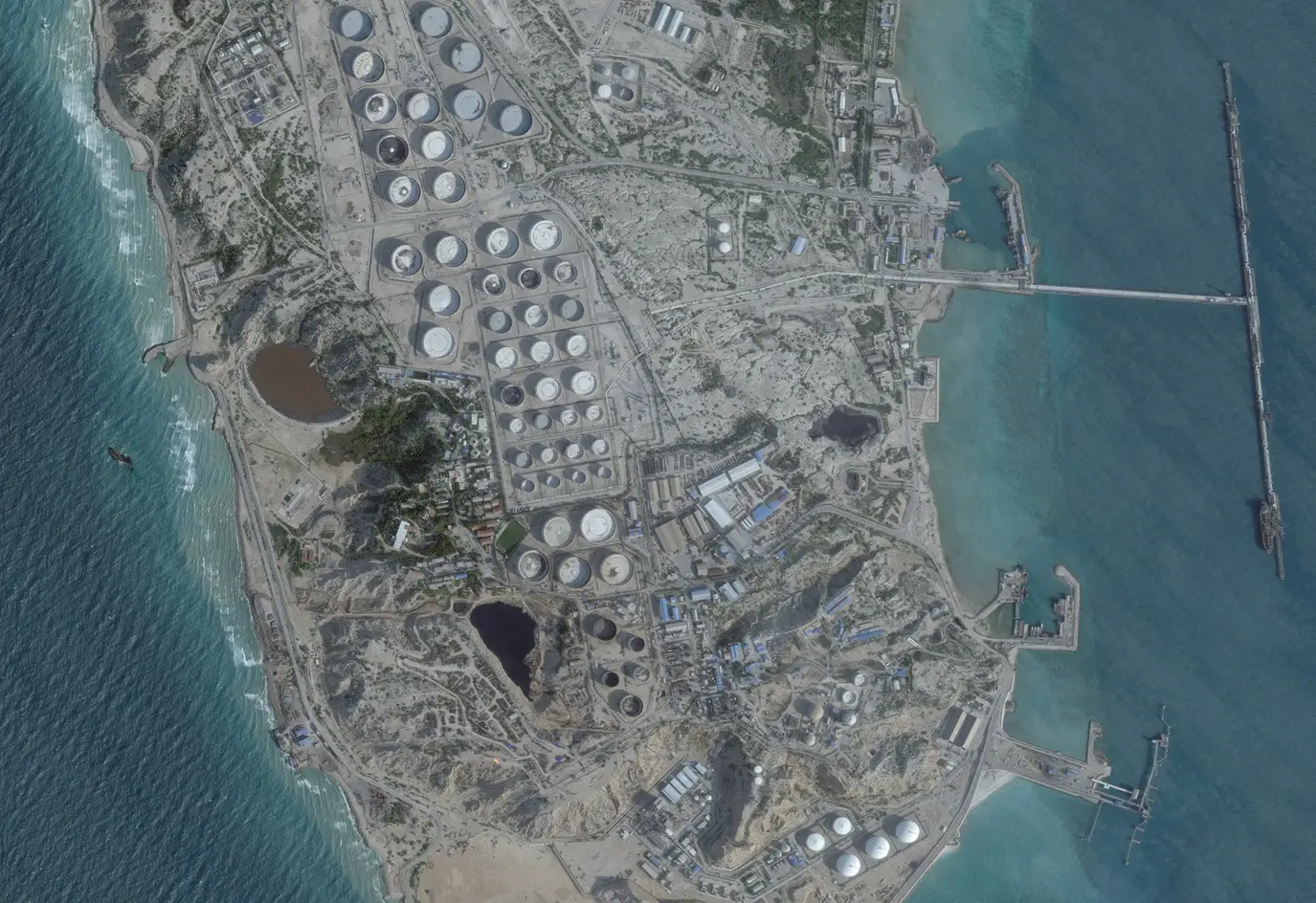
WASHINGTON — In 1988, Donald Trump said in an interview that if Iran attacked U.S. forces, “I would do damage to Kharg Island. I would go there and take that.”
Nearly 40 years later, the future of Iran’s main oil export terminal — an island that Trump now calls the country’s “crown jewel” — becomes a centerpiece in the war waged by the US and Israel against Tehran.
Oil accelerates gains and goes to US$ 109 a barrel with attacks on infrastructure in Iran
Iran stated that the US and Israel attacked the South Pars gas field and associated facilities in Asaluyeh
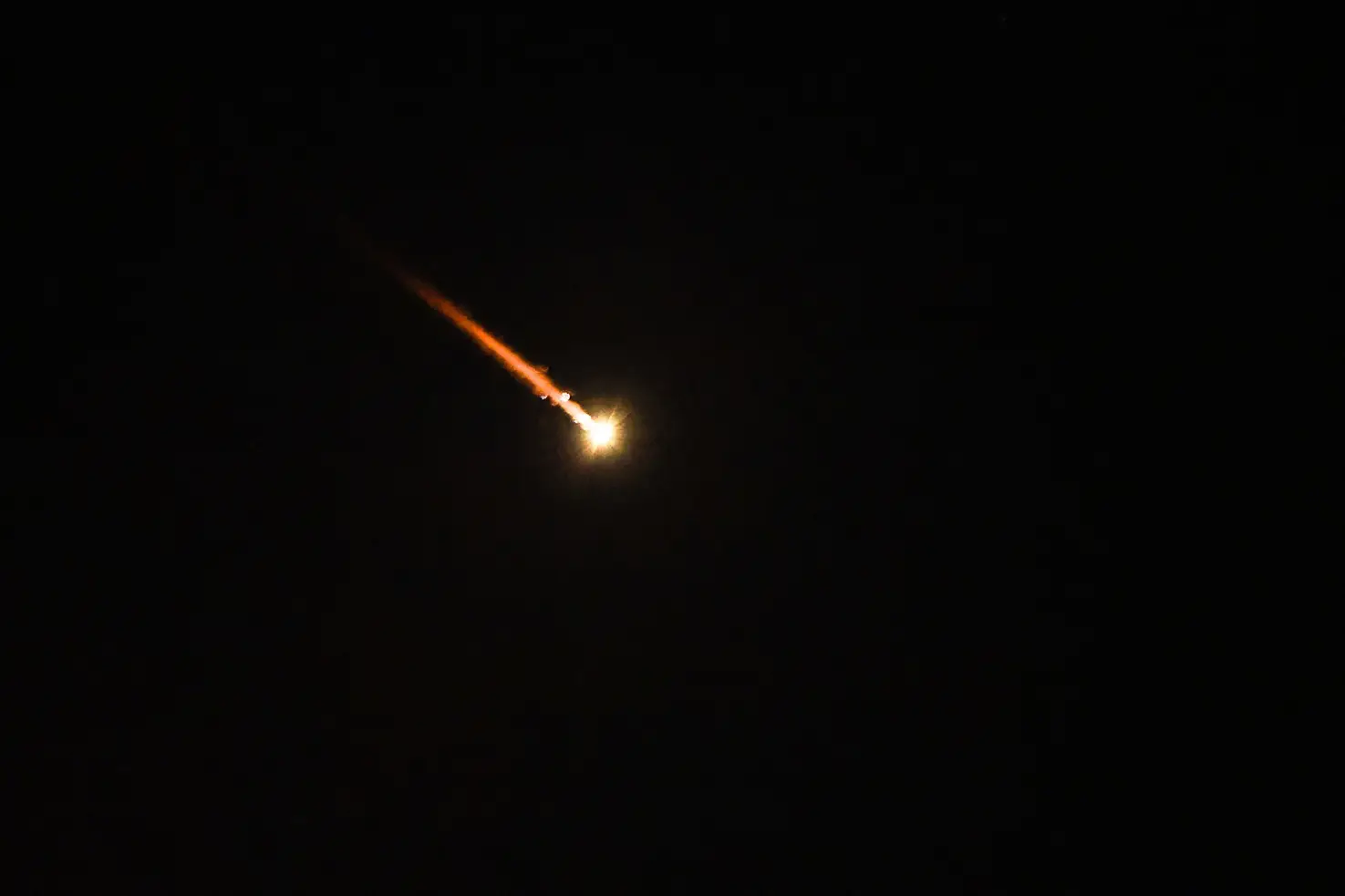
Iran: Facilities associated with the South Pars natural gas field are hit
Authorship of the attack has not yet been confirmed
“One word is enough, and the pipelines disappear,” said the president at the White House, this Monday (16), as he renewed the threat to attack the oil infrastructure in Kharg after the American Army bombed military targets on the island last week. “It’s going to take a long time to rebuild this.”

Small and located in the northern Persian Gulf, Kharg is an attractive target for a president who has argued for years that the US should target oil assets when it goes to war.
A direct attack or attempt to take control of the island could drastically reduce Iran’s ability to make money from its natural resources. But by taking Iranian oil off the global market — or provoking even heavier retaliatory attacks on infrastructure in other countries in the region — Trump runs the risk of pushing energy prices to even higher levels, with the package of economic and political problems that this usually brings.
Clayton Seigle, an energy expert at the Center for Strategic and International Studies (CSIS), in Washington, assesses that Iran has avoided attacking “the biggest oil and gas targets, which would be the most devastating for the global economy”, maintaining room to escalate the conflict if its own infrastructure is hit.
Furthermore, as Kharg is about 640 km from the Strait of Hormuz, even if the US seized the island, Iran would continue with its main instrument of pressure on the West: the ability to choke the flow of oil and gas leaving the Persian Gulf.
“Iran already has the entire world’s energy at its fingertips,” said Seigle. “If we take Kharg today, what stops the Iranians from attacking ships, targeting critical infrastructure, and thereby preserving control over the region’s energy exports?”
On Friday, Trump wrote on social media that US airstrikes had “totally obliterated” military targets on the island. According to him, the United States could target Kharg’s oil infrastructure if Iran does “anything to interfere with the free and safe passage of ships through the Strait of Hormuz.” On Monday, he said again that the country would be able to destroy the island’s energy facilities “with five minutes’ notice”.
At the same time, the deployment of some 2,500 Marines from bases in Japan to the Middle East has fueled speculation that Trump might be tempted to seize the island. White House spokeswoman Karoline Leavitt wrote that the president “has been remarkably consistent his entire life on Iran” and revived the old phrase in which he said he would “take” Kharg if American forces were attacked.
Taking the island, however, would have significant risks, points out Richard Goldberg, a senior adviser at the Washington-based Foundation for Defense of Democracies known for his tough stance on the Iranian regime.
According to him, an operation of this type would only make sense if the risk to American troops on the island — from drone or missile attacks — was considered acceptable and if the US had some degree of control over the oil that reaches Kharg via pipelines.
Otherwise, Goldberg says, surgical strikes on the island’s oil infrastructure — or even the power plant that supplies it — could be used to further weaken the Iranian regime and increase the chances of a popular uprising. He argues that Iran may not have the capacity to retaliate much more aggressively against the oil assets of US-allied countries in the Gulf.
“If the end point of Operation Epic Fury is the regime still standing”, he states, citing the name of the American offensive, “perhaps it makes sense to think of a ‘final act’ that makes it difficult for them to access oil revenue”.
Cutting export capacity via Kharg, however, would mean removing a significant volume of oil from the global market, possibly for an extended period — a scenario that would tend to put even more pressure on prices. A barrel has already been trading above US$100, compared to less than US$73 before the start of the war. Before the conflict, around 90% of Iran’s crude oil exports passed through the island.
Iran is one of the few countries that has continued to send tankers through the Strait of Hormuz since the start of the war, which shows that some Iranian oil still reaches the market. Since March 1, at least 14 vessels loaded with oil or other energy products have left the country and crossed the strait — the close connection between the Persian Gulf and the Gulf of Oman — according to consultancy Lloyd’s List Intelligence.
Recent signs indicate that Kharg continues to operate as an export terminal, even after last week’s bombings. Satellite images show three tankers docked at the island’s loading berths on Tuesday.
For analysts, however, it is the closure of the Strait of Hormuz, not control of Kharg, that explains Iran’s bargaining strength in the global energy market. The strait normally accounts for around a fifth of the world’s oil and relevant volumes of natural gas. As it is a narrow passage, Iran is able to harass ships with speedboats and fire from the coast itself.
James M. Acton, co-director of the nuclear policy program at the Carnegie Endowment for International Peace in Washington, assesses that control of the strait has become such a powerful pressure point that the regime would be unlikely to back down, even in the face of Trump’s threat to bomb the Kharg terminal.
“Keeping the strait closed is more valuable to them than the oil facilities in Kharg,” Acton said.
