
Why the war in Iran has affected tourism in distant paradises like Bali and Cambodia
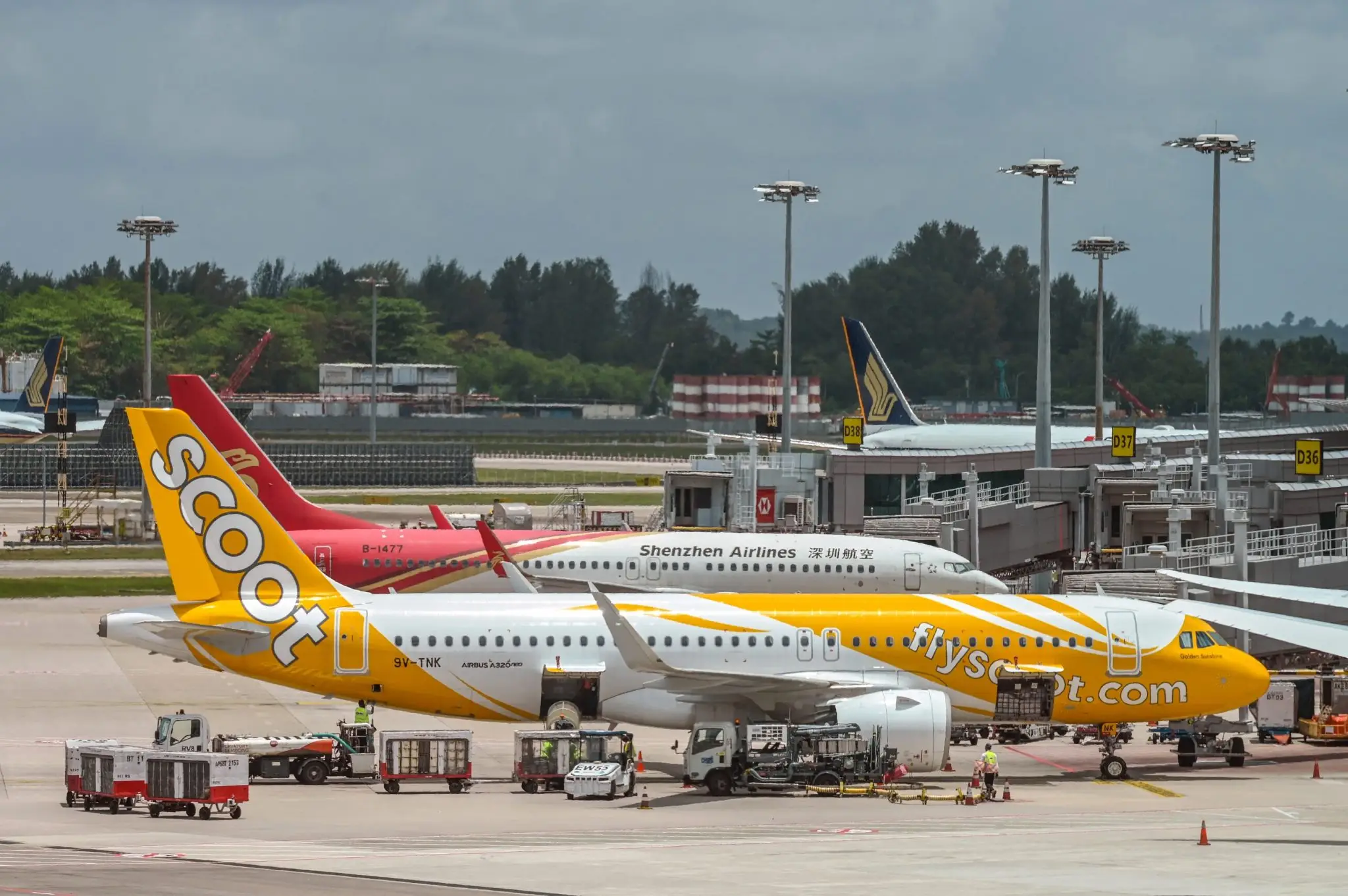
The war with Iran is reshaping global air routes, posing a threat to Southeast Asia’s key tourism sector. Iranian missile and drone attacks have shut down key Middle Eastern aviation hubs such as Dubai, Abu Dhabi and Doha, disrupting popular routes used by European and American travelers to reach Southeast Asian beaches and temples. Tourism experts now fear that countries such as Thailand, Cambodia and Indonesia will soon see a drop in visitor numbers.
“There are no direct flights between Europe and destinations like Bali and Cambodia,” Brendan Sobie, an independent aviation analyst based in Singapore, told Fortune. “These countries, which rely heavily on tourism, are also more impacted because of the ripple effect on their economies.”
Also read: Effects of war: Bahrain cuts production at the world’s largest aluminum smelter
Tourism is one of the pillars of the Southeast Asian economy. In 2024, it represented 9.4% of Cambodia’s GDP and 12% of Thailand’s.
Major Gulf airlines, including Emirates, Qatar Airways and Etihad, have canceled thousands of flights to and from the Middle East. This creates ripple effects for some Southeast Asian companies; Malaysia Airlines, for example, depends on Qatar Airways to transport tourists from the US, Europe and the Middle East to Southeast Asia.
“Malaysia Airways doesn’t fly much to Europe, except for London and Paris,” said Mayur Patel, head of Asia at aviation consultancy OAG. “A lot of their codeshare agreements were through Doha with Qatar Airways, and if planes can’t fly to Doha, that certainly restricts the flow of passengers.”
How have global airlines been affected?
Airline networks around the world have been shaken by airspace closures and soaring jet fuel prices, which have doubled since the start of the conflict with Iran. Airlines are suspending some routes to the Middle East for weeks, if not months. Companies are also adding fuel surcharges to flights, and Air New Zealand withdrew its financial projections on Tuesday due to rising fuel costs.
“In the first week of the war, we saw a 50% drop in total bookings,” said Lucy Jackson Walsh, co-founder and chief executive of Lightfoot Travel, a luxury travel company with offices in Dubai, London, Singapore and Hong Kong. Bookings to Middle Eastern destinations — about 15% of Lightfoot’s business — disappeared almost immediately.
“We are shifting our focus to regional travel within Asia and also to travel to more distant destinations, such as Australia, that do not need to pass through the Middle East,” she said.
Disruptions to supply chains caused by the closure of airspace and shipping lanes are also delaying aircraft maintenance, repair and operations, as well as exacerbating existing delays in plane deliveries from manufacturers such as Airbus and Boeing.
“There is a shortage of aerospace parts and components, which can be delivered from Europe or the US,” Kent Yar, an independent aerospace consultant, told Fortune. “To make airplane parts, you also need raw materials. It all comes down to problems in the supply chain.”
He estimates that aircraft spare parts have already seen a 15% increase in prices since the start of the war with Iran.
Can any airline benefit?
Still, some Asian carriers, such as Singapore Airlines and Hong Kong’s Cathay Pacific, which operate several direct routes between Asia and Europe, may have an advantage over other affected carriers.
“Existing direct flights between Asia and Europe have already been rerouted after the war between Russia and Ukraine and do not necessarily use the airspace of Iran or the Middle East,” explained Sobie.
But this will only be a small relief given the overall impact on the sector.
“I don’t think anyone is happy,” Sobie said. “Some companies will have routes that will see an extra increase in load factor and revenue — and that’s natural — but that doesn’t offset the overall negative impact this crisis has had on the entire industry.”
Still, some in the industry hope things will bounce back when — or if — the conflict subsides.
“What I hope is that we will see a surge in pent-up travel after the conflict subsides,” said Lightfoot’s Walsh. “Just like after the Covid-19 pandemic, when markets recovered and travel took off again.”
