
Government proposes using oil revenue to cut fuel taxes
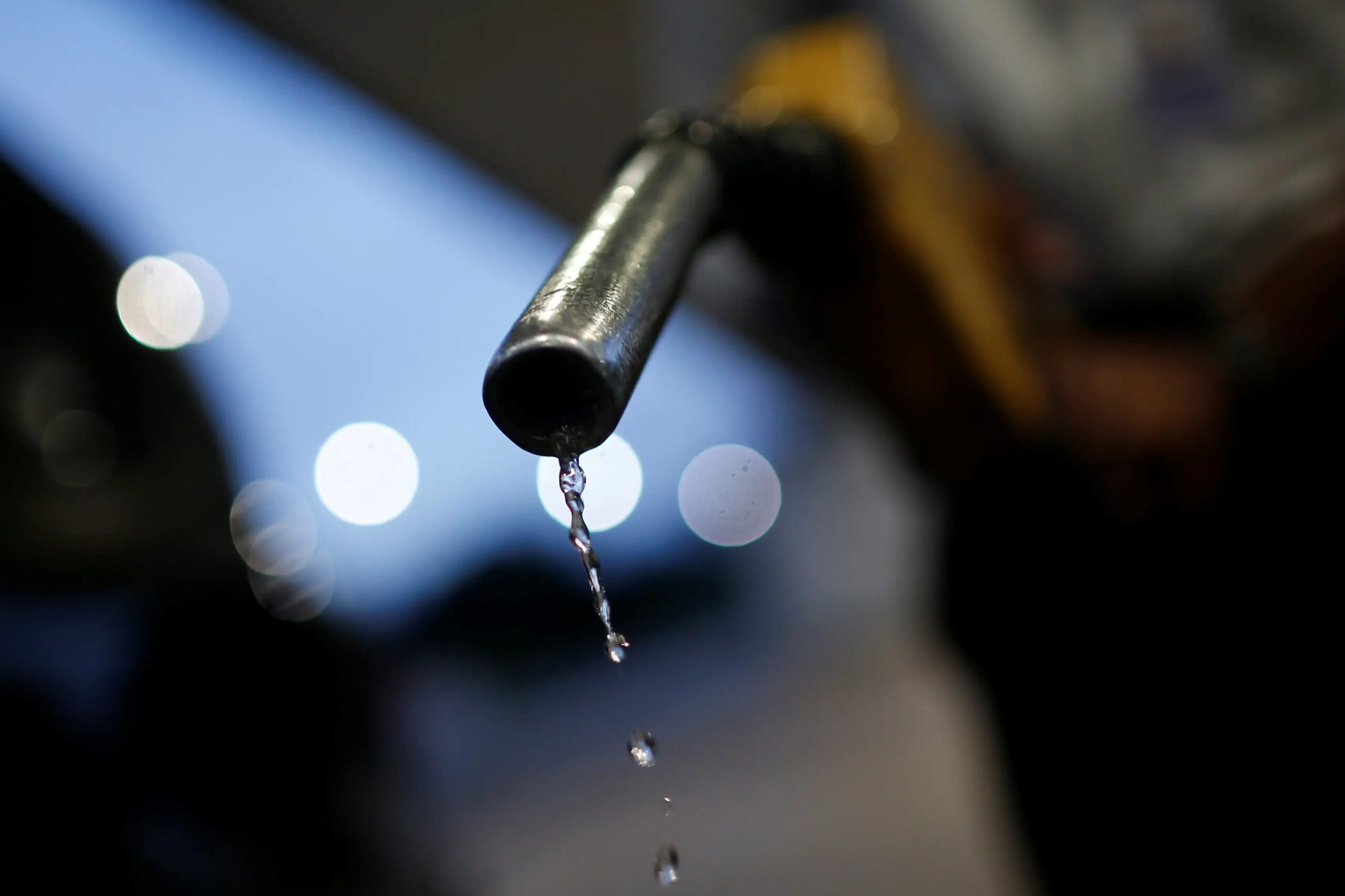
BRASILIA, 23 April (Reuters) – The government of President Luiz Inácio Lula da Silva announced this Thursday that it has proposed to the National Congress a complementary bill that will allow the transformation of extraordinary revenue gains from the rise in oil prices into cuts in taxes on fuel.
Upon eventual approval of the project by the Legislature, the government will issue decrees with tax reductions, which could benefit diesel, gasoline, ethanol and biodiesel with cuts in PIS, Cofins and Cide.
The cuts would be valid for at least two months and would be linked to the duration of the war in Iran, being periodically reevaluated.
The information was presented by the Ministers of Finance, Dario Durigan, and Planning and Budget, Bruno Moretti. They said that the government is not making any immediate announcement of tax cuts, noting that the reductions would depend on Congress’s approval of this compensation mechanism.
Initially, the Ministry of Finance had informed that the government would announce this Thursday “a measure to reduce PIS/Cofins rates on gasoline” to mitigate the impacts of the international rise in oil prices.
According to Durigan, the project defines that the extraordinary collection will be calculated in revenues from royalties, dividends, Income Tax and Social Contribution on Net Profit (CSLL) levied on the oil chain and the sale of oil from Pré-Sal Petróleo S/A (PPSA).
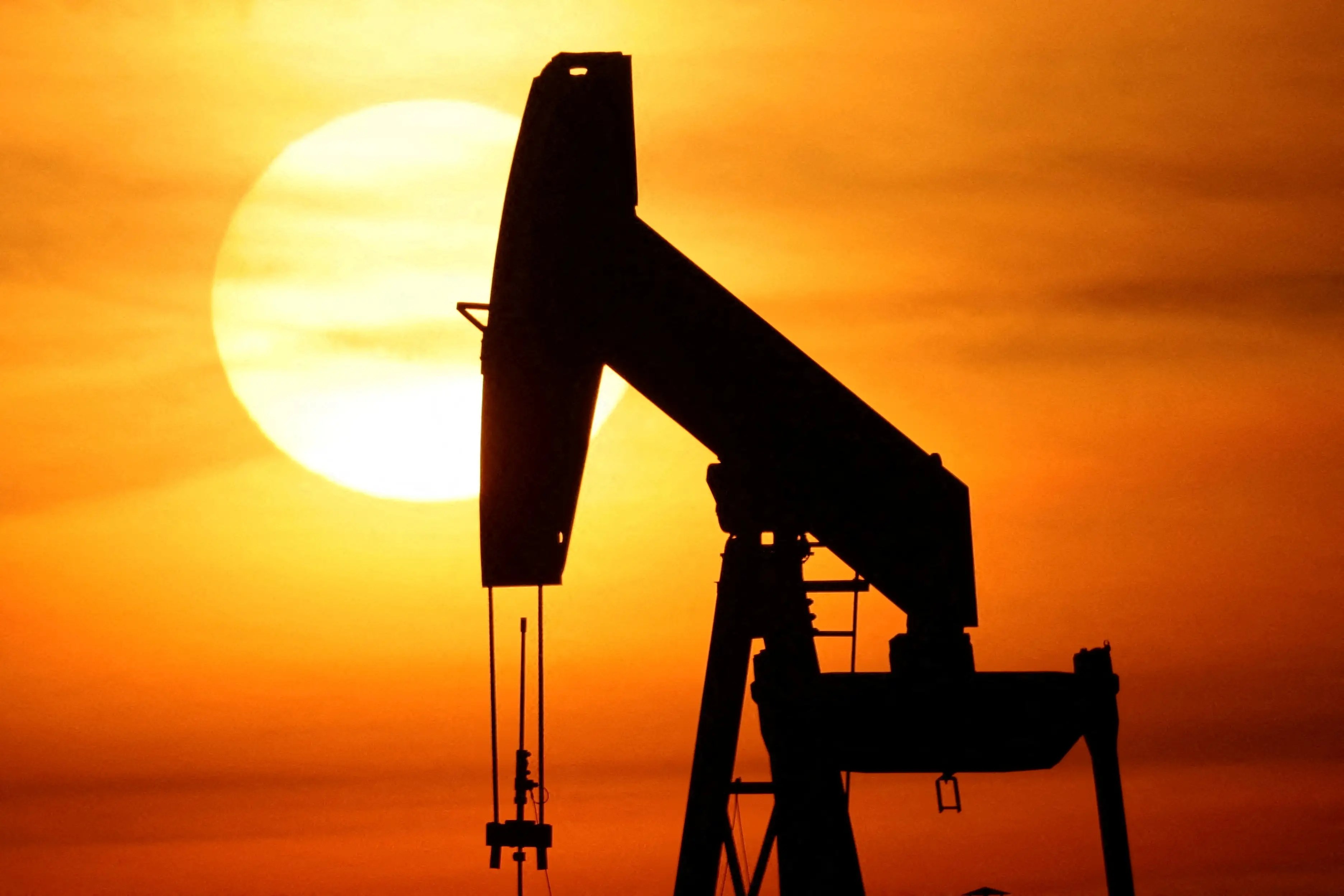
Oil closes higher for the 4th consecutive session as US-Iran negotiations stall
Barrel fired after reports of activated air defenses in Iran and threats from Donald Trump over control of the Strait of Hormuz; Uncertainty about the duration of the maritime blockade supports rising prices
The calculation will compare the original revenue forecast in this year’s Budget with a new projection made by the government already considering the effects of the conflict in the Middle East — amounts that have already been compromised by other measures will be discounted.
The Finance Minister highlighted that after approval of the project by Congress, the government will announce partial reductions in taxes on gasoline and ethanol, products not yet benefited by government emergency measures.
In the case of gasoline, Moretti stated that each R$0.10 of taxes removed from this fuel would generate a fiscal impact of R$800 million for every two months.
The government has adopted a series of actions with the argument that it seeks to mitigate the effects of the war launched by the United States and Israel against Iran, which has raised international oil prices and has produced high volatility in the market while there is no agreement to end the conflict.
Among the measures, the government of President Luiz Inácio Lula da Silva in March zeroed the PIS/Cofins charge that is levied on the import and sale of diesel oil, in addition to providing additional subsidies to domestic producers, and subsequently announced a division of costs with States to make an additional cut in taxation on diesel.
The actions already implemented also include the taxation of oil exports, cutting taxes on biodiesel and aviation fuel, subsidies for cooking gas and strengthening the inspection of fuel sales.
The government also implemented a line of credit for airlines and issued a provisional measure to reinforce credit for exporters.
Members of the economic team have stated that the plan is temporary and that the government seeks fiscal neutrality, highlighting that the cost of subsidies and tax cuts is offset by initiatives such as the taxation of oil exports and by revenue gains generated by higher oil prices.
