
Government discusses ending the “blouse tax”, but Durigan defends Conformal Shipping
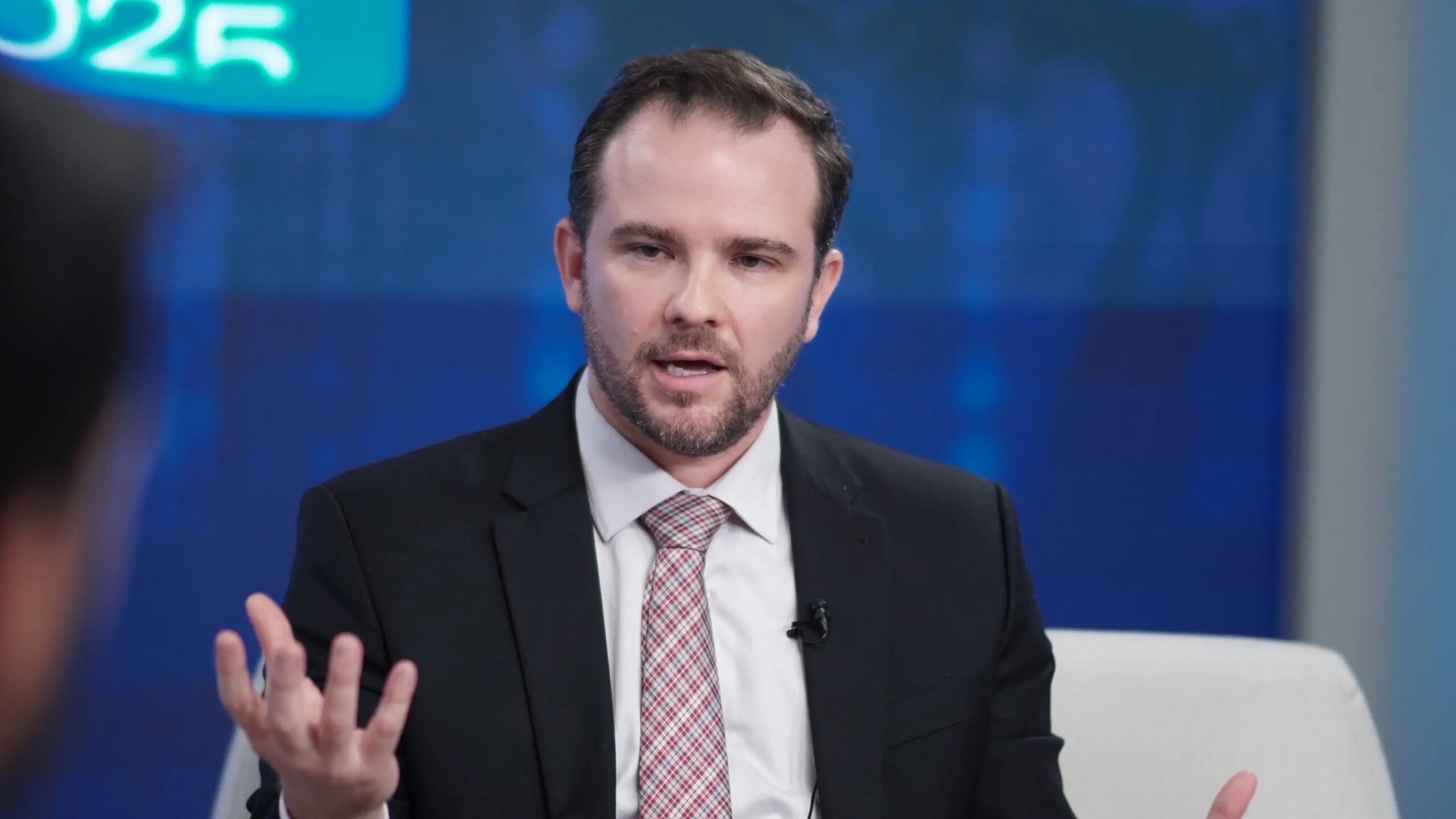
The federal government once again discussed the review of the so-called “blouse tax”, an import tax applied to international purchases of up to US$50. The issue gained new momentum after the Minister of Finance, Dario Durigan, admitted this Wednesday (6) that there are differences within the government about maintaining the charge.
During an interview with the “Bom Dia, Minister” program, Durigan stated that he does not intend to dismantle the Remessa Compliance program, created to regularize international e-commerce platforms and increase control over low-value imports. At the same time, he acknowledged that the 20% rate began to be questioned internally.
“There are ministers who advocate reviewing (the blouse tax). We have to have a rational debate,” said the minister. According to him, the government seeks to preserve the inspection and tracking mechanisms implemented by the program.
Durigan: Government studies Desenrola round for defaulters with high-interest debt
The government is considering expanding the program to include those who are up to date with their payments and plans to launch a specific line for informal workers between May and June
Created to bring foreign platforms into compliance with Brazilian tax rules, Remessa Como now requires companies to register, tax advances and share information with the Federal Revenue Service. The government argues that the system expanded the inspection capacity over imported products.
In the interview, Durigan mentioned that the program also started to monitor health and safety issues, checking whether goods meet the requirements of the National Health Surveillance Agency (Anvisa) and technical standards applicable to products such as toys.
The so-called “blouse tax” came into force in August 2024, after approval by the National Congress. The 20% charge on international orders below US$50 was defended by the retail sector and part of the national industry, who claimed unequal competition with foreign platforms.
The vice-president and then Minister of Development, Geraldo Alckmin, was one of the government’s main defenders of the measure. Entities linked to commerce and industry also maintain that taxation helped to preserve jobs and balance competition with Brazilian companies.
In addition to business pressure, the tax began to gain fiscal weight within the economic team. Data from the Federal Revenue show that the charge generated record revenue of R$5 billion in 2025. In just the first three months of this year, revenue from the tax reached R$1.28 billion, an increase of 21.8% in the annual comparison.
Despite this, the topic remains politically sensitive. The taxation faced popular resistance since its creation and became a recurring target of the opposition and digital influencers linked to online consumption.
Behind the scenes, members of the government evaluate alternatives that preserve the Conformist Remittance inspection model without necessarily maintaining the current rate. To date, however, there is no definition of a possible reduction or extinction of the charge.
