
Opposition condemns Netanyahu for accusing Qatar of interfering in Israeli elections in favor of Arab parties
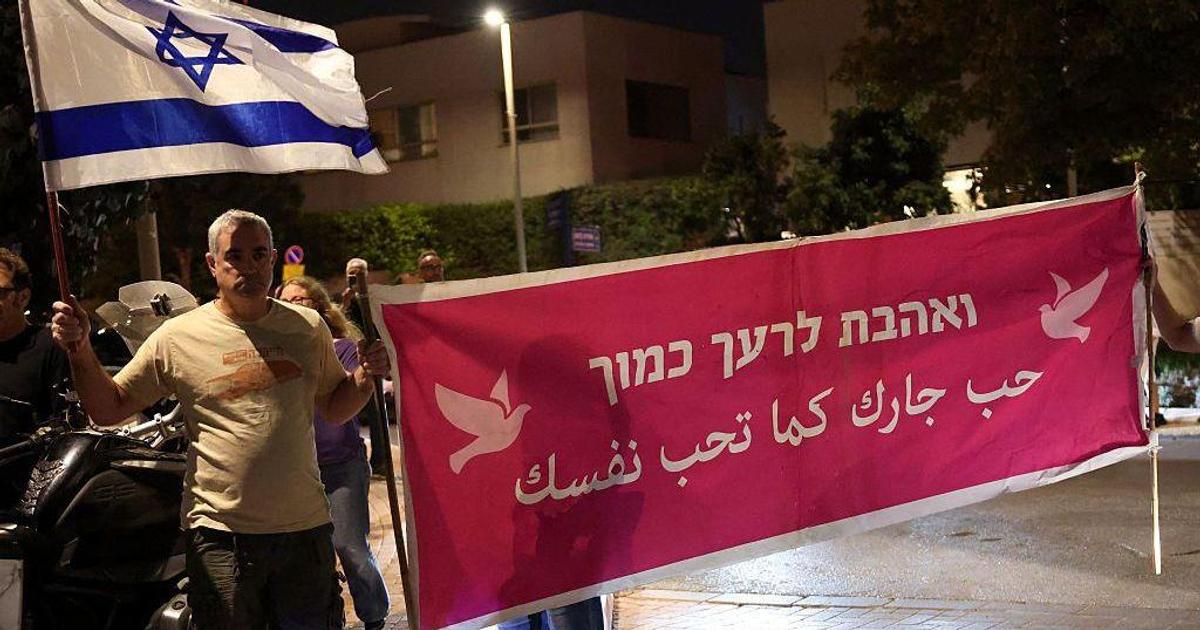
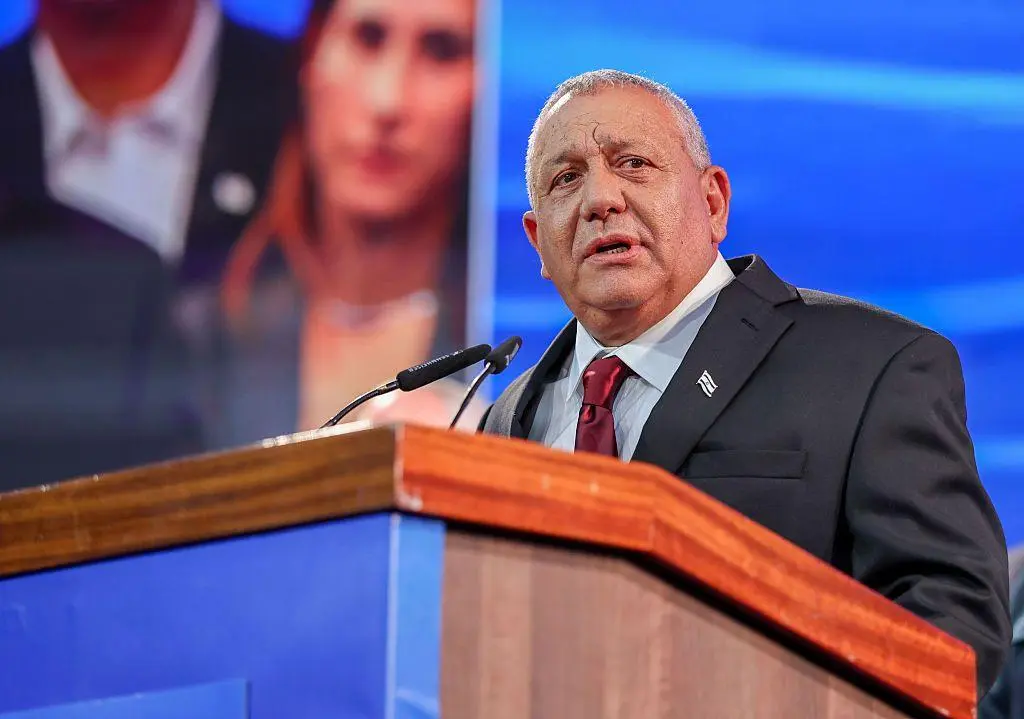
The main Israeli opposition leader, Gadi Eisenkot, and leaders of Arab parties have denounced Prime Minister Benjamin Netanyahu for alleging foreign interference following elections in which his coalition lost its majority.
Netanyahu’s Likud party accused Arab Israeli parties of “stealing” the election.
The Shin Bet, the national security agency, is investigating whether they received illegal financing from Qatar and Türkiye.
Qatar’s Foreign Ministry denied the allegations, calling them “ridiculous and dangerous,” and accused Israeli politicians of waging a disinformation campaign against Doha.
The final results confirmed that neither Netanyahu’s bloc nor the Jewish opposition bloc achieved a majority in Parliament.
The two Arab political blocs, the Joint List and the United Arab List (Ra’am), defied expectations by winning a record 19 seats in the 120-seat Knesset following a significant increase in Arab voter turnout.
That positions them as potential key players in the formation of a new government, after Netanyahu’s bloc won 53 seats and his rival Gadi Eisenkot’s bloc won 48.
This Thursday, Likud alleged that voters were “bribed” to vote for Arab parties, after the head of the Central Election Commission (CEC) asked the Shin Bet security service to investigate “serious suspicions” of foreign interference.
Both Arab blocs strongly rejected the claim. The Joint List alliance, which won the largest number of seats, said the accusation was unfounded.
Netanyahu’s critics see this dispute as an attempt to delegitimize the Arab parties, thus making it politically impossible for Eisenkot to join forces with them, which is currently the only way to power for his bloc.

Electoral integrity
Israeli media reported that the Central Election Commission received a complaint saying Qatar provided funds intended to increase voter turnout in Arab communities.
The Qatari Ministry of Foreign Affairs categorically denied these accusations.
Netanyahu and his Likud party presented those accusations as a “political earthquake” and an “attack on democracy” aimed at toppling his right-wing government.
However, the Shin Bet later clarified that its investigation did not implicate an entire community that voted legally, while CEC acting director general Dean Livne said there is “no basis for allegations of systematic violations of electoral integrity.”
Eisenkot, who was briefed on the investigation, said “it is too early to determine what happened, or if anything happened,” and accused Netanyahu of waging “an orchestrated and organized campaign to delegitimize the election results.”
Balad Chairman Sami Abu Shehadeh, who is part of the Arab Joint List, dismissed the accusation, saying: “The losing side is making up a racist smear and calling on security agencies to use force to overturn the election results.”
Netanyahu’s attacks on Arab voters and parties have gone on for days.
Much of last Tuesday’s election day was dedicated to posting on social media that the high Arab turnout was an “emergency” and a “matter of life or death” for the Israeli right.
He also shared AI-generated images of Arab voters at polling stations, in an attempt to encourage the right to go out and vote.

Arab Israelis, many of whom call themselves Palestinian citizens of Israel, make up about a fifth of the country’s population.
For years, many boycotted Israeli elections, arguing that voting would legitimize a system they say treats them as second-class citizens.
But his participation on Tuesday was motivated by a desire to topple the most right-wing ruling coalition in Israel’s history, led by Netanyahu.
The final results offer only three plausible options for forming a government: a national unity government including Netanyahu and Eisenkot, a right-wing coalition including Netanyahu and dissidents from the Eisenkot bloc, or a government led by Eisenkot with the support of Arab parties.
Eisenkot and all but one of his bloc members previously refused to form a government with Arab parties, but rumors have circulated in recent days that a deal could still be reached.
A snap poll by Hebrew University showed that the most popular option for voters of all parties in the opposition bloc is for Eisenkot to form a minority government with Ra’am, with outside support from the Joint List.
This article was originally written in English and we used an artificial intelligence tool to translate it. A BBC journalist reviewed the text before publication. Learn more about how we use AI.
-
Download the new BBC World Service app. Choose BBC News Mundo and receive news alerts, documentaries and analysis, all in one place. Important: The new app is not available in the United Kingdom or the United States.
-
You can also follow us on YouTube, instagram, TikTok, x, Facebook and in our whatsapp channel.
-
And don’t forget subscribe here to our newsletter to receive a special selection of our best content every Friday.