
What happened on the Norwegian island that wanted to abolish time
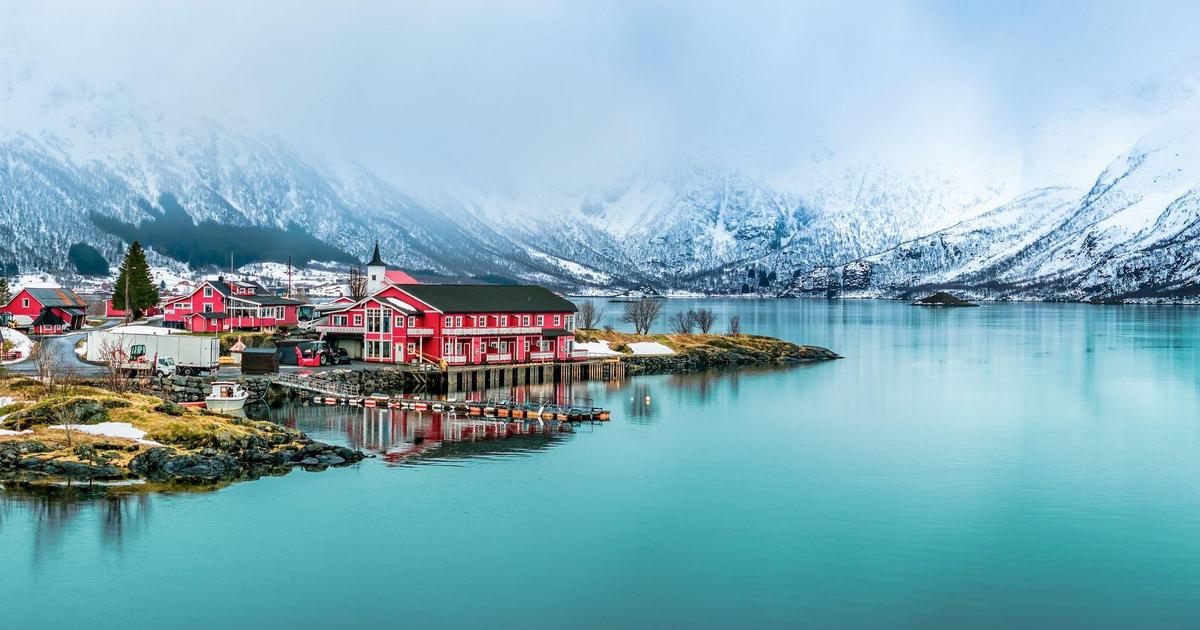
In 2019, a small island community in the Norwegian Arctic made headlines around the world with an extraordinary proposal: they wanted to abolish time.
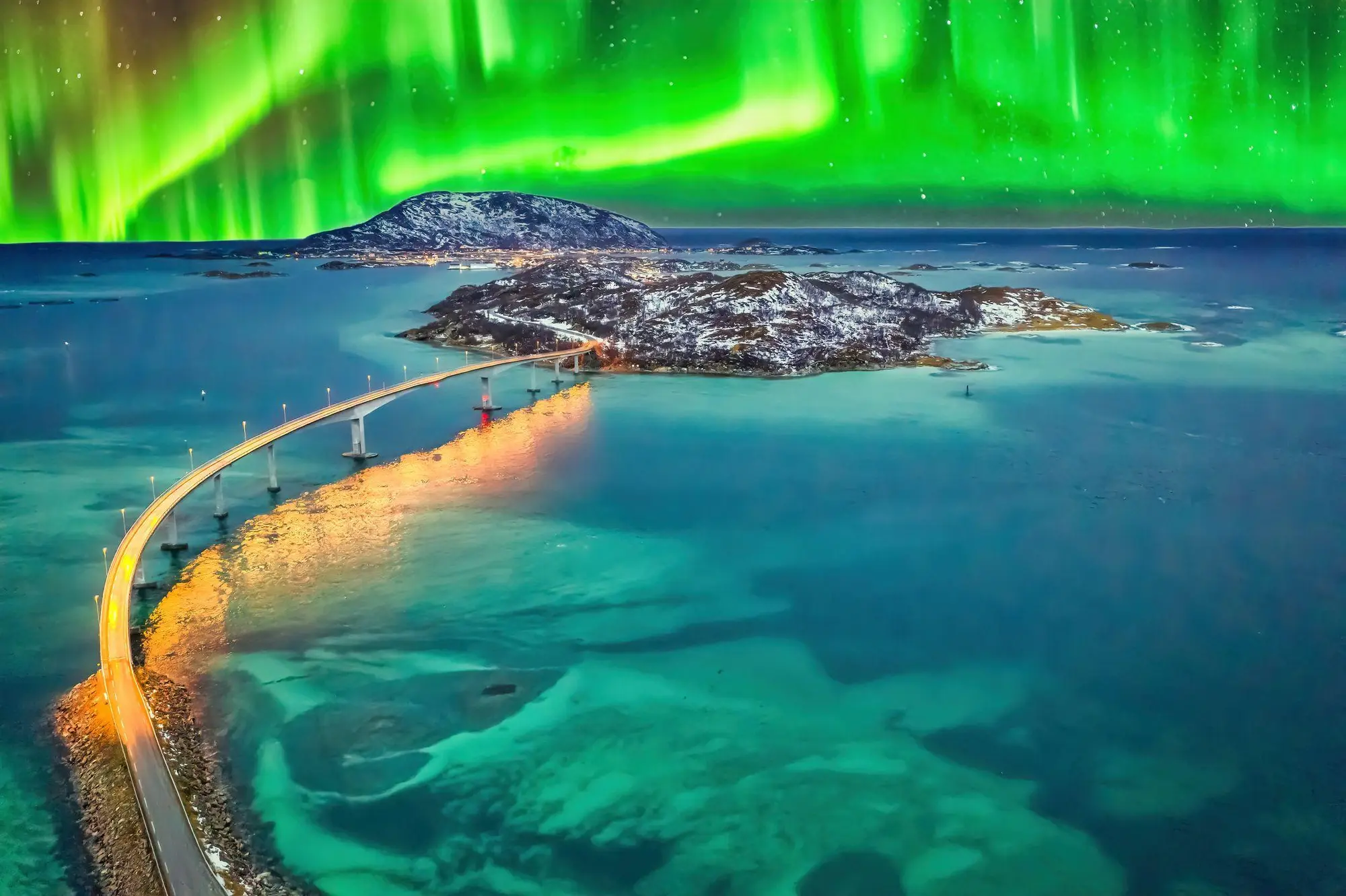
The residents of Sommarøy, a fishing village 56 km west of Tromsø, were reportedly campaigning to become the world’s first time-free zone during the 69 days each summer when the sun never sets.
Clocks were hung from a nearby bridge and a local hotel owner handed a petition with residents’ signatures to a member of the Norwegian Parliament. International media enthusiastically welcomed the idea, praising the town’s efforts to live without reference to time.
There was only one problem: the campaign wasn’t exactly what it seemed.
Many neighbors were bewildered by all the commotion, perplexed by the idea that someone could live completely outside of time. How could a hotel function without check-in and check-out times? Was a cafeteria supposed to stay open forever in case someone wanted to eat lunch at 04:00? And what happened to the children who went to school?
It turned out that Innovation Norway, the government agency in charge of promoting tourism, had orchestrated the campaign. Although some islanders had participated, others were apparently unaware of it.
When the agency’s involvement came to light, its director was forced to issue a public apology. The clocks soon disappeared from the bridge and the campaign sank, apparently without a trace.
And yet, if we leave aside the cynicism of a government trying to create a popular movement to attract visitors, the idea has some appeal.
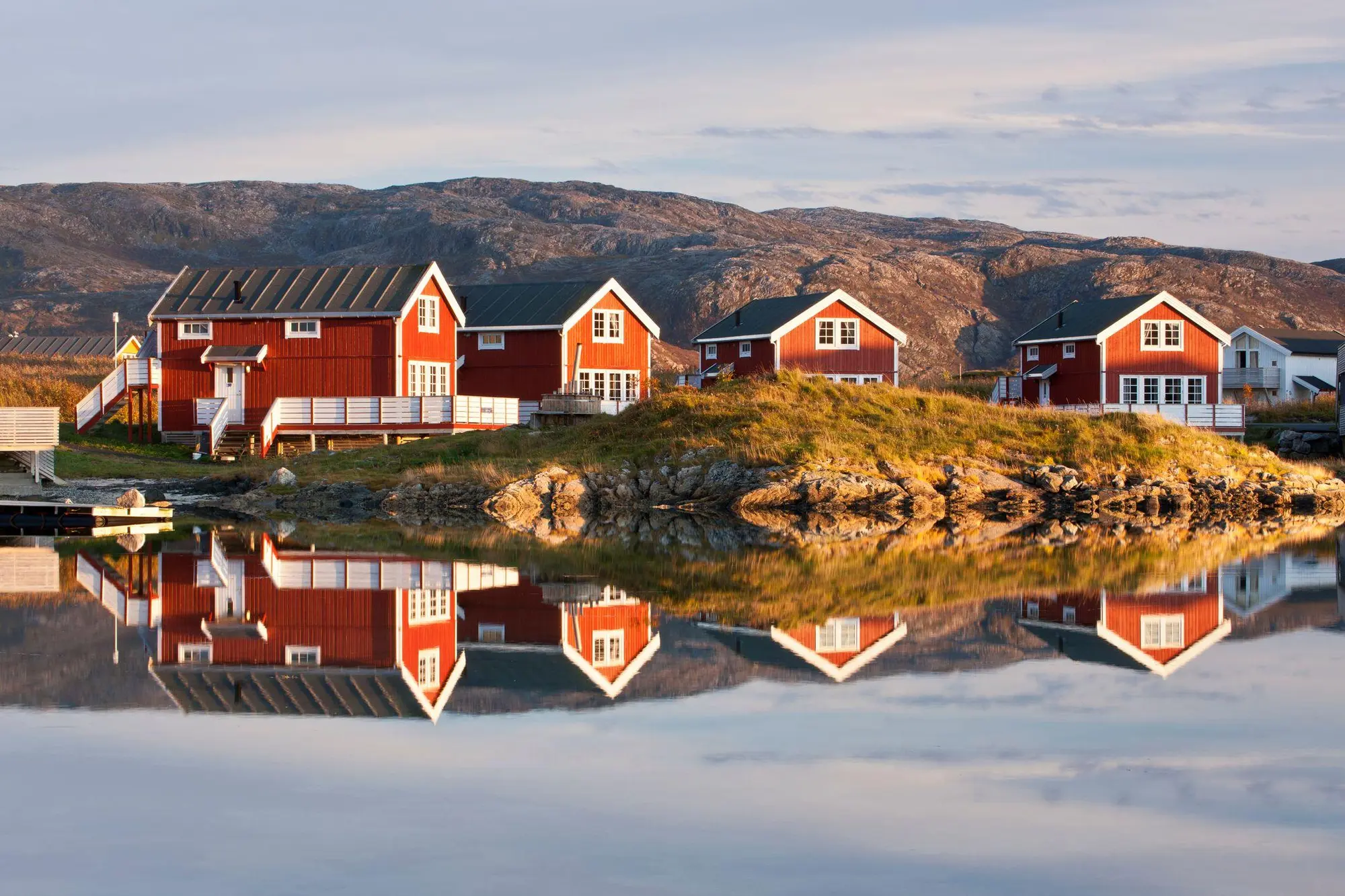
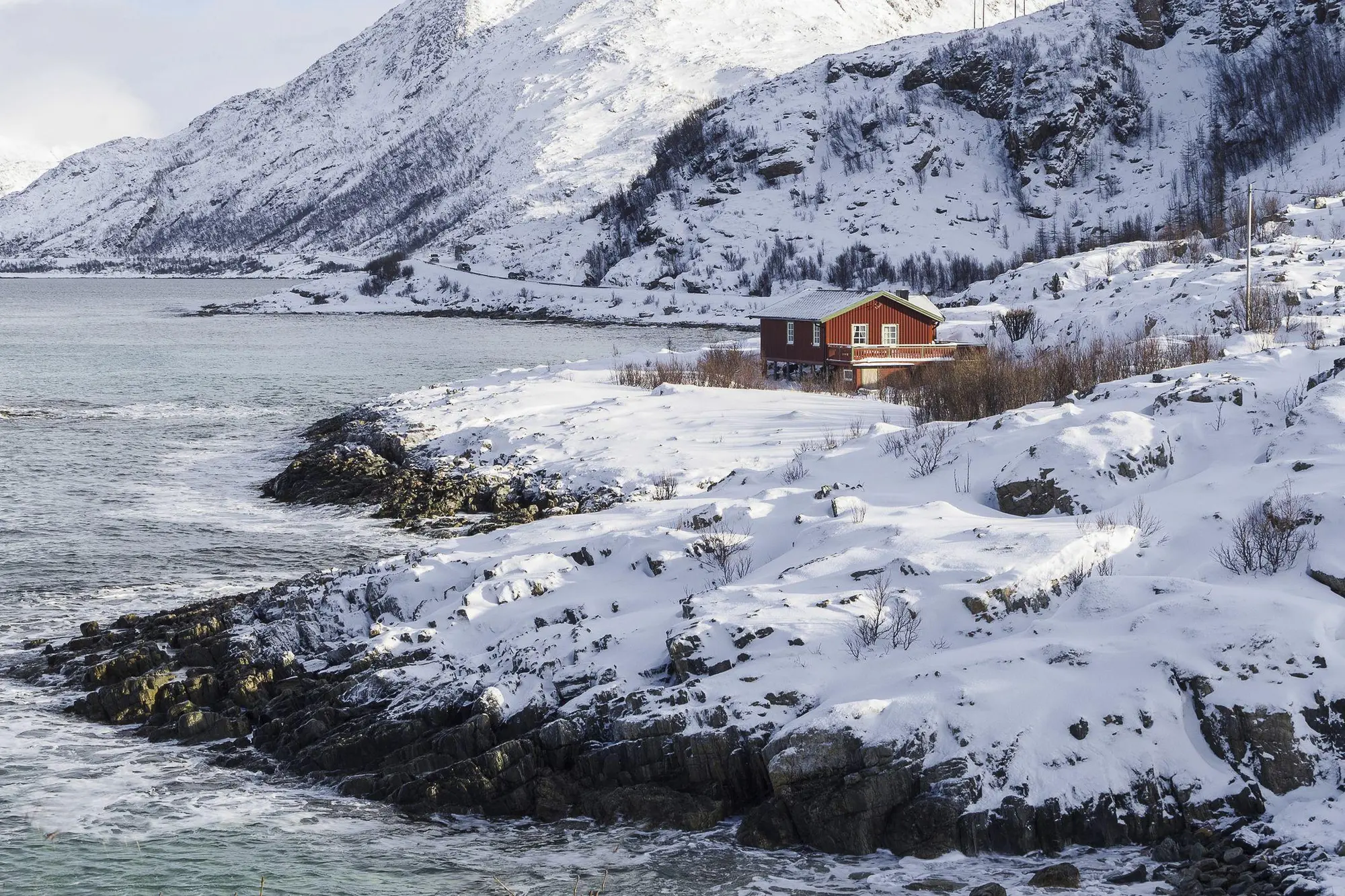
Located high above the Arctic Circle, Sommarøy enjoys uninterrupted daylight each summer from May 18 to July 26, when the sun never sets and the usual boundaries between day and night begin to blur. In the middle of winter, the sun never rises and you can have lunch in complete darkness. Could a place like this really change the way people perceive time?
I decided to travel to Sommarøy to find out.
The first drawback was that I would have to hurry if I wanted to get to Sommarøy: the bus left at the inopportunely precise time of 11:30. If he lost it, he would have to wait until the next day. But after all, I reasoned, I was in Tromsø, not Sommarøy. And no city can be an island.
Once on board, the bus crosses bridges and skirts fjords, passing through small towns as traffic gradually thins out. Beyond Eidkjosen, the road moves away from the water’s edge and eventually leaves the outskirts of Tromsø.
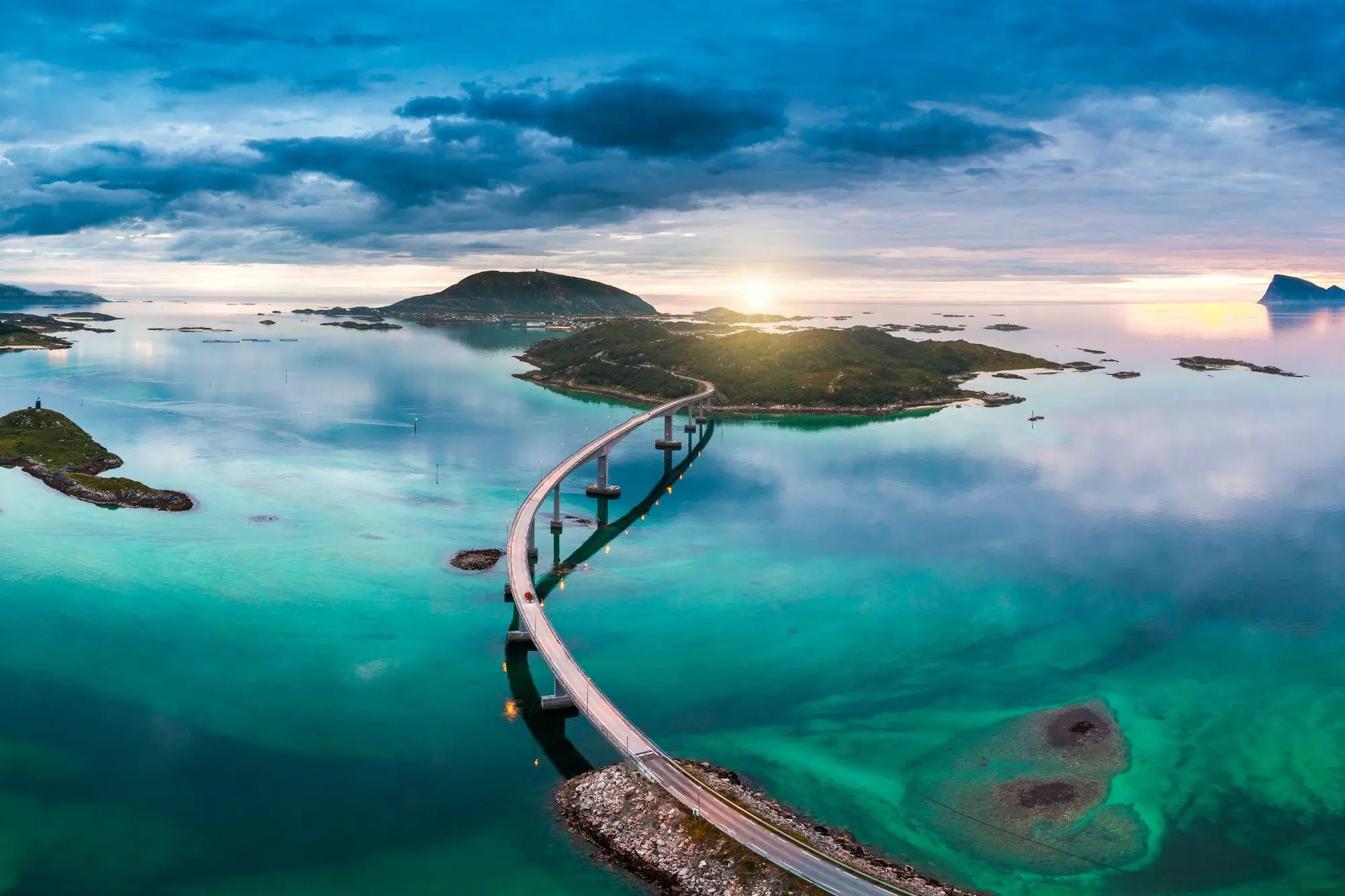
An hour and 40 minutes later, we arrive at Sommarøy, a town of about 300 inhabitants whose population swells in the summer and on weekends, when Norwegians retire to their holiday cabins. I was instantly delighted. Up close, stilt houses rise above narrow harbors, while colorful homes dot the islands against a stunning backdrop of mountains that still retain their snow-capped peaks well into midsummer. And beyond this rugged coastline, crisscrossed by fjords, ice caps and high-altitude valleys, stretch the wild seas of the North Atlantic.
The first person I meet in Sommarøy is Ewa Kaczyński, a Polish tourist who tells me that she was drawn here by the publicity surrounding the ill-fated 2019 campaign. “I always wanted to see the midnight sun,” she tells me. “I lead a very busy life back home, and the idea of not having to worry about the weather for a few days was really appealing.”
I ask him what he thinks now that he’s here.
“I’m not sure. The first day I was a little disappointed because, of course, time is necessary for the world to function. Restaurants and shops closed at the time they said they would. And the hotel reception was not open at night. But then I took a deep breath, turned off my phone and realized that I was relaxing more. Here I can do that. And maybe just talking about the weather was enough: here it seems to matter less than at home.”
The Dutch traveler Wouter De Wit has enjoyed perpetual daylight. “It’s crazy,” he says.
“Yesterday I went for a swim at midnight. The sun was shining and, if I hadn’t been wearing a watch, I wouldn’t have been able to guess what time it was. Although it was a little cold…” he adds.
Locals, for their part, were more reluctant to speak, at least officially. The media hype around the campaign and the clumsiness with which Innovation Norway handled the whole thing left many suspicious and quite tired of the issue.
“Look, it was a fun idea we used to talk about from time to time,” says one hotel employee who asked to remain anonymous as the 2019 campaign remains a sensitive topic.
“In the summer, anyway, we live a bit outside of time. If there’s no one around, sometimes a shop closes so the owner can go fishing. The kids stay up late because there’s no school the next day. And a lot of people are on vacation, so life is more relaxed. But then it became a whole thing.”
“Has it been good for the town?” I ask.
“Not at first,” the hotel employee tells me. “It was the only thing visitors talked about. But now, a few years later, it’s fine. It’s gone back a bit to what it was before… and it attracts people here. Now everyone knows Sommarøy.”
Later, as I fall asleep at the Sommarøy Arctic Hotel, the town is so quiet that it is difficult to distinguish the hours: there is no traffic or noise whatsoever, no matter what time it is. Fully aware of the irony, I set my alarm for 03:30 to see if I can learn something about the fluidity of time by leaving at what, anywhere else, would be considered an ungodly hour.
I leave the hotel quietly, so as not to wake the other guests, and walk through the deserted streets until I reach the water’s edge. Seagulls fly overhead and wading birds, from warmer climates, walk delicately through the shallow waters. But for humans it is different. The houses are silent, the streets empty. There is no one anywhere.
And then something happens. In the most absolute silence, a wave of euphoria washes over me, although I couldn’t say if it was due to the mere novelty of being here or some revealing moment of existing outside of time.
All I know is that the sun is high in a clear sky at a time when—logic and experience suggest—it should not be. For a moment, real time doesn’t seem to matter at all.
-
Download the new BBC World Service app. Choose BBC News Mundo and receive news alerts, documentaries and analysis, all in one place. Important: The new app is not available in the United Kingdom or the United States.
-
You can also follow us on YouTube, instagram, TikTok, Facebook, x and on our channel WhatsApp.
-
And don’t forget subscribe here to our newsletter to receive a special selection of our best content every Friday.