
Trump, Xi Jinping and Putin: what each won at the “Titans Summit” and who was the big loser
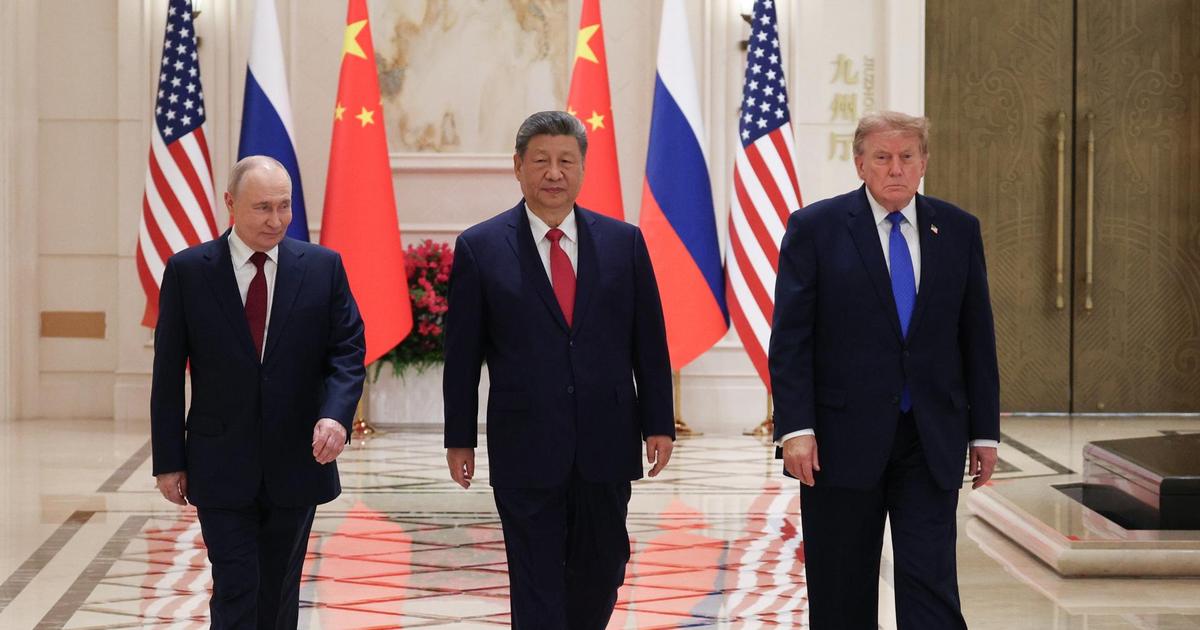
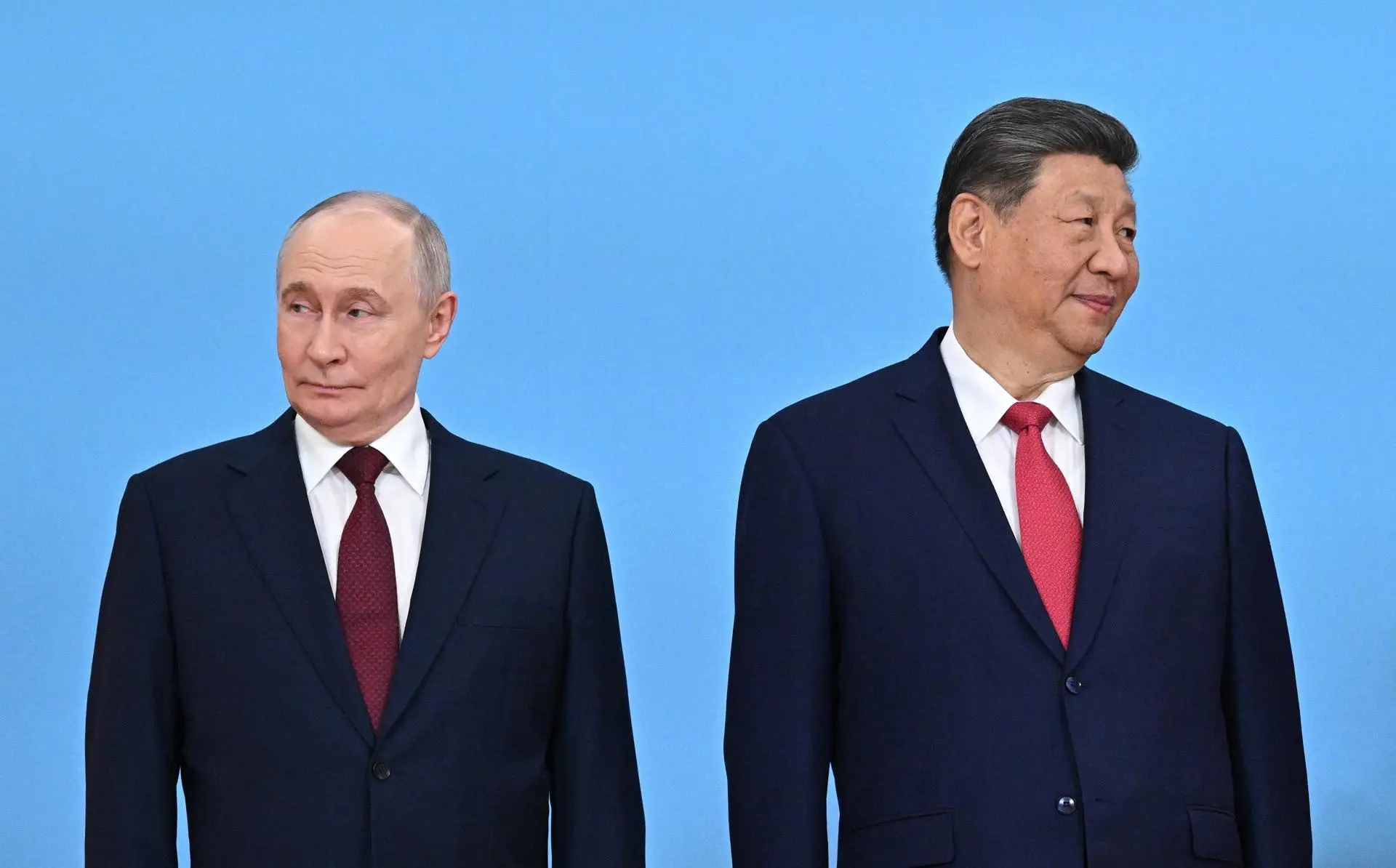
The “summit of titans” between Xi Jinping, Donald Trump and Vladimir Putin left different benefits for each participant, but also a result that can surpass those individual gains: the opening of a high-level political channel between three powers with competing interests.
This Thursday’s meeting in Shenzhen ended with a declaration on nuclear security, energy, United Nations reform and international justice. However, the balance of power is played out outside the documents and conclusions.
Were there winners? The specialists consulted by MDZ They offered different readings. For Luis Schenoni, a professor at University College London, the three presidents got something. Jorge Malena, director of the CARI Asian Affairs Committee, avoided sharing victories and highlighted the value of the inaugurated dialogue.
Their subsequent balances, together with the previous analyzes of both and Patricio Giusto, director of the Sino-Argentino Observatory, allow us to distinguish the immediate results of the deeper dispute for international power.
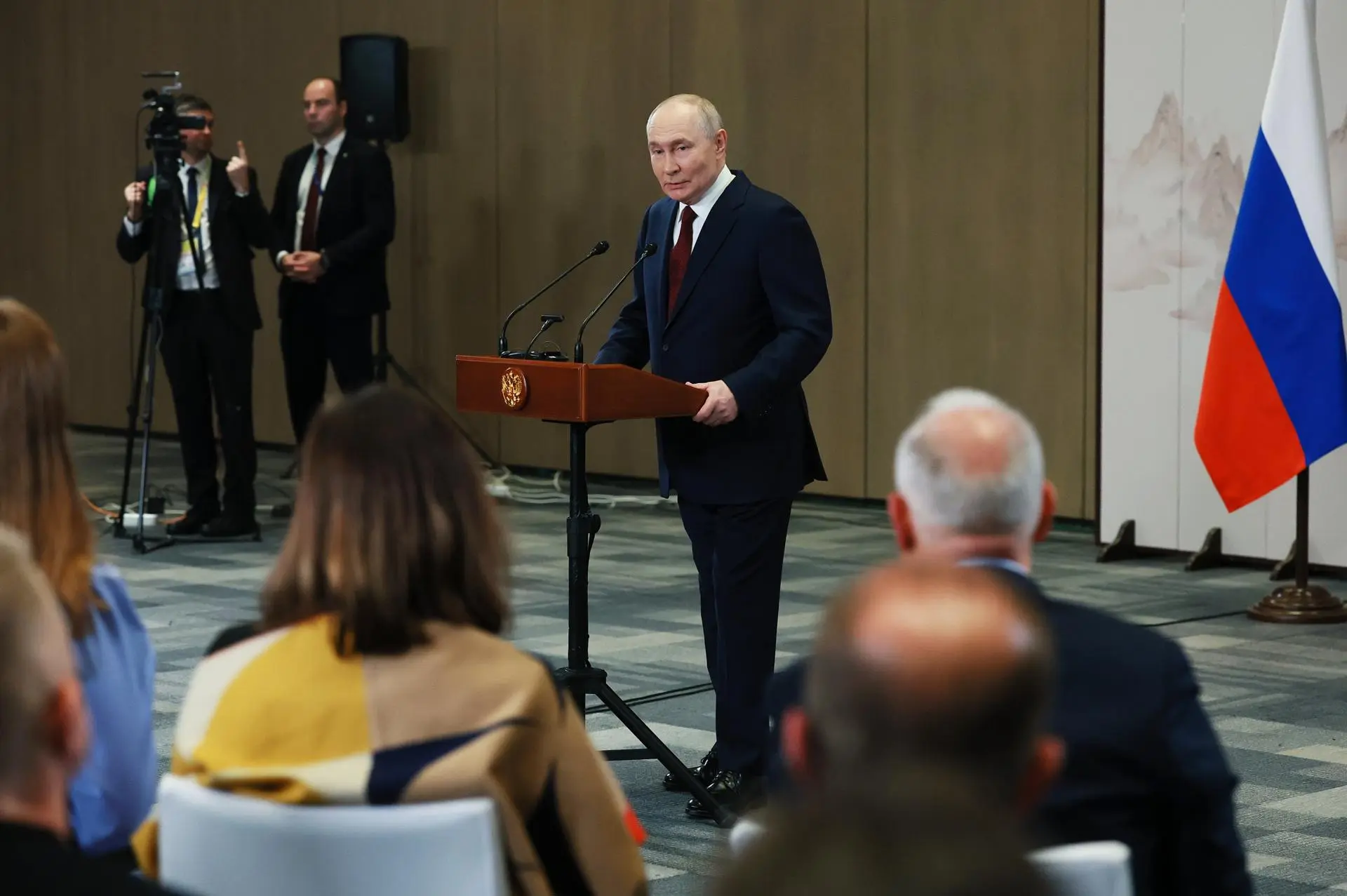
Putin gained recognition, even though he was the “younger brother”
“A winner was Putin, because he sat at the table with the United States and China, despite being the smallest,” Schenoni said after the conference. He also highlighted the exposure the Russian president got with his statements about Yalta.
“In Yalta there was no division of the world into ‘spheres of influence,'” Putin said. “Yalta simply codified the existing reality. And in current conflicts we will also have to accept the reality on the ground,” he said.
The benefit was to appear as a necessary interlocutor in a discussion on global security. Malena also identified that result, although with a different approach: “I don’t see that there are winners or losers. At most, Putin broke the isolation imposed by the West.”
The meeting thus responded to one of the objectives that Malena had indicated before the meeting: to achieve recognition and alleviate isolation while the war in Ukraine continued.
However, sharing the table does not eliminate power differences. In his analysis, Schenoni characterized Russia as a power that retains decisive tools, especially its nuclear arsenal, but faces greater difficulties competing with the United States and China in technologies such as artificial intelligence. A kind of younger brother who managed to sit at the table of “the big ones.”
He had also warned that Russian difficulties in Ukraine and political change in Washington were reducing Putin’s margin. According to his reading, the electoral defeat of the US ruling party shortened the window to negotiate with a Trump with greater internal decision-making capacity.
Malena qualified the comparison: Russia’s dependence on China for trade, access to technology and maintaining economic ties limits its autonomy, but does not turn Putin into an actor without his own capacity.
China capitalized on the venue and its role as host
In his subsequent assessment, Schenoni pointed out that China won because the meeting was held in Shenzhen and because APEC is taking a form convenient for its interests.
Beijing was able to display the ability to bring together the American and Russian presidents and offer a space for negotiation on issues beyond the Asia-Pacific. The final statement included the gratitude of both leaders to China for organizing the meeting.
This result coincides with the opportunity that Schenoni had identified before the summit: Xi could present himself as a stable leader capable of facilitating conversations, compared to two leaders conditioned by conflicts and political difficulties.
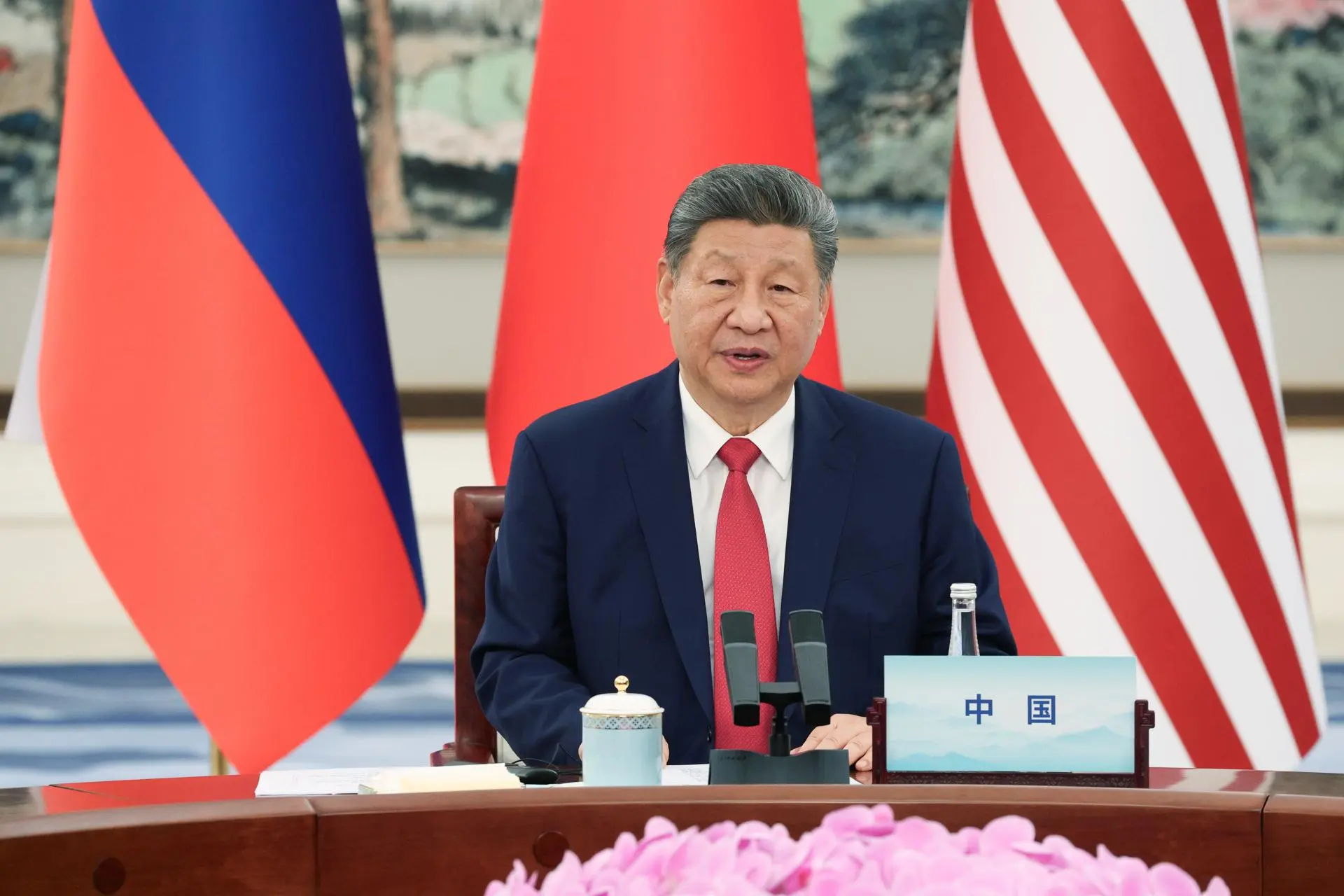
“What benefits China in this context is to lower the tone of the conversation,” he explained. Reducing tensions also responds to Chinese economic interests: reducing uncertainty about tariffs, sanctions and trade restrictions.
Giusto summarized this advantage of the host with a definition: “This is a host that takes advantage of a summit to receive two weakened leaders.”
Malena also noted that Xi sought to show China as a central player in global diplomacy. Shenzhen allowed him to reinforce that image, although differences with Washington and Moscow continue.
Trump got an energy commitment
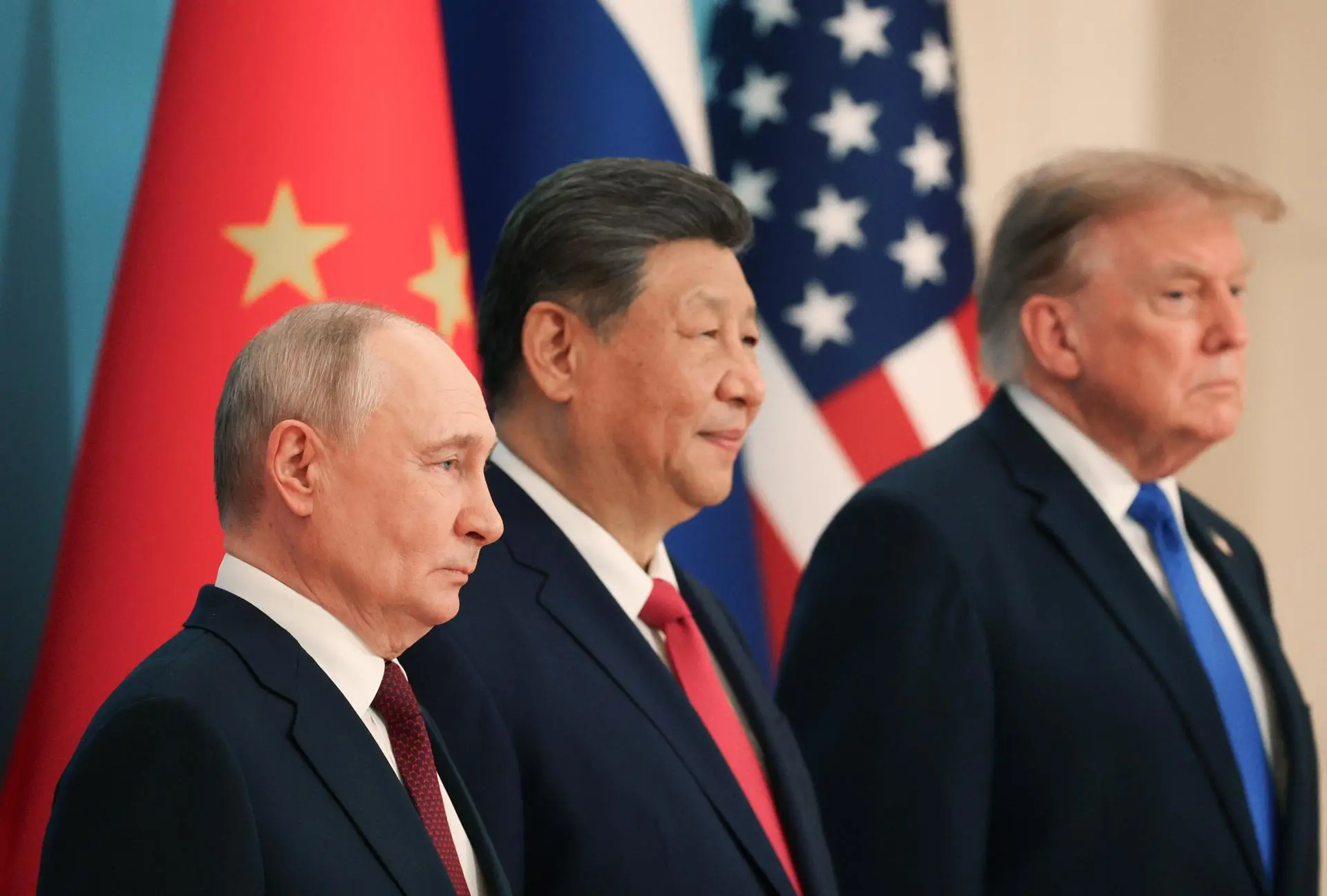
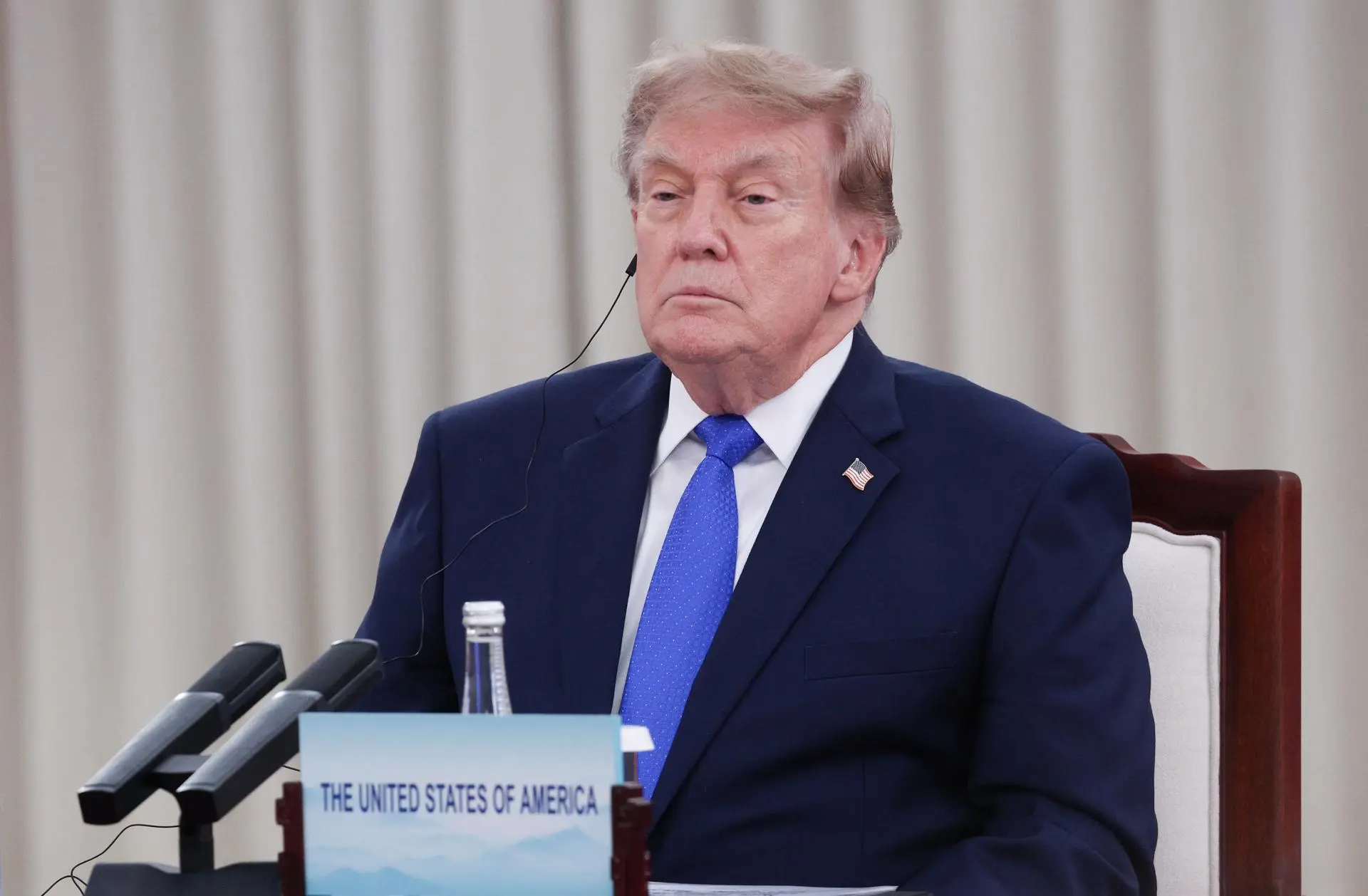
For Schenoni, the United States won with a commitment to stabilize oil supplies, a point he identified as “Russia’s main concession.”
The statement states that the three countries plan to increase production and supply of refined petroleum products and reaffirms the importance of maintaining stable energy flows, a key issue for the United States which has seen fuel prices increase due to the war with Iran.
The understanding offers Trump a result to show beyond the diplomatic photograph. However, the document does not specify volumes, deadlines or implementation mechanisms, so its impact will depend on subsequent decisions.
The International Criminal Court and shared concessions
Another section reaffirms the importance of state consent and the immunities of officials, and maintains that the International Criminal Court and similar bodies should not abuse their jurisdiction.
Schenoni considered that this mention favored Russia and China, while the United States did not give much because it was never a member of the Court.
The academic summed up his balance with one phrase: “So everyone wins.” But he distanced himself from a reading that turns the great powers into winners without costs: he considered that this gain was mainly symbolic and recalled that they also accepted commitments, such as promoting a reform of the UN.
The text does not develop what this reform would be like or what changes each government would admit. Nor does it in itself modify the powers of international judicial organizations.
The beginning of a political channel
Malena’s subsequent evaluation shifted the focus from individual benefits to the possibility of holding a direct dialogue.
“The most relevant thing is that this first meeting between the leaders of three powers inaugurated a high-level political channel,” he told MDZ.
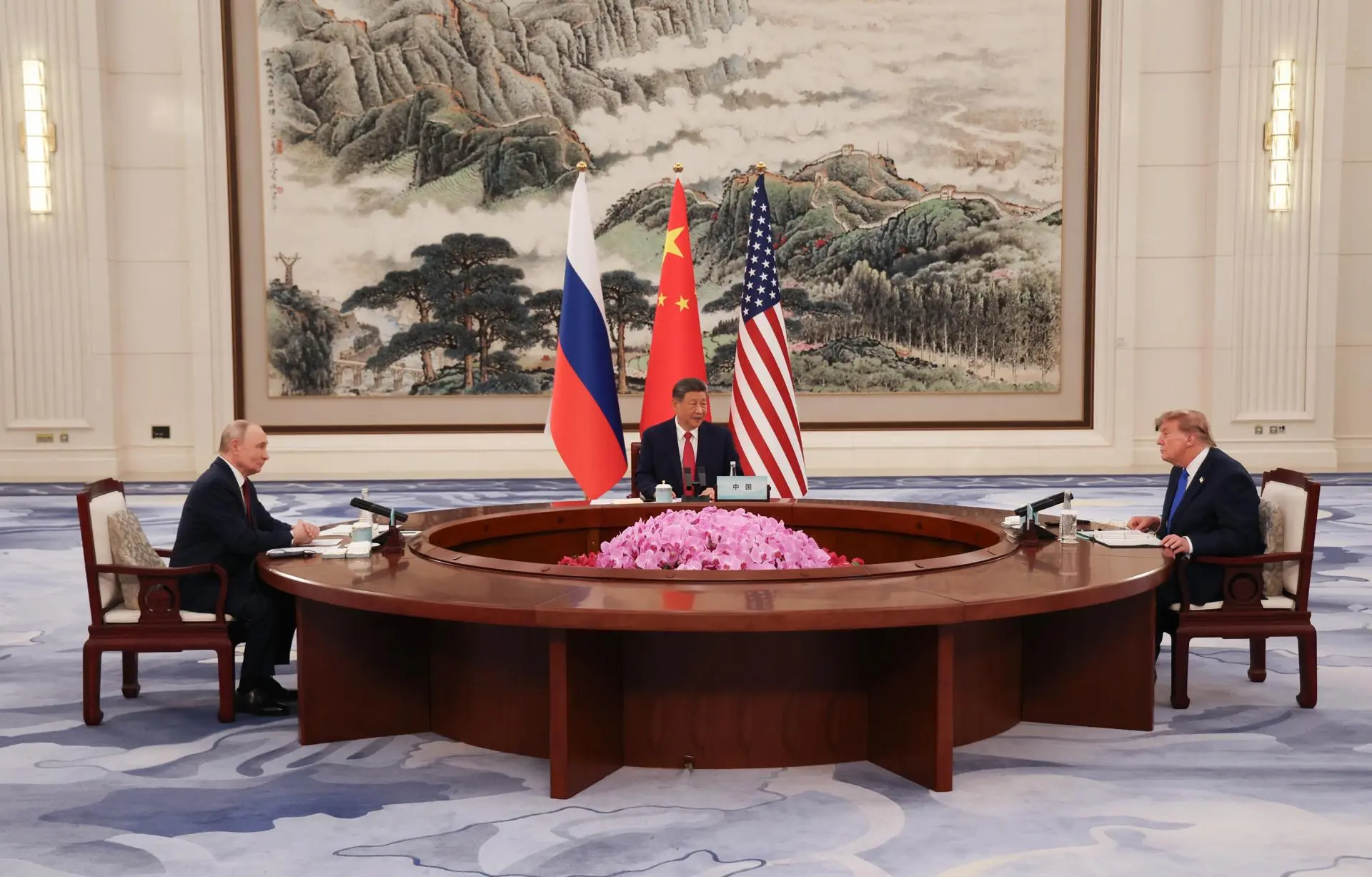
The specialist highlighted that the agenda included nuclear control, the war in Ukraine and global stability. For this reason, he considered that the summit “has opened a space for dialogue between leading powers of the Northern Hemisphere.”
From that perspective, the result is not limited to who got a concession or took better advantage of the image. Following Malena, the existence of a channel of conversation between rivals has its own value, although it has not yet produced solutions to the main conflicts.
Its scope will depend on the continuity that governments give it after Shenzhen.
The big loser and the limits to disarmament and Ukraine
According to Schenoni, the biggest loser was the great absentee of the entire day, who starred in his own counter-summit from Berlin: Europe. “He was not at the table while Putin was and he could not put issues on the agenda even though as an integrated economy they are the third pole,” said the academic.
Furthermore, the University College London professor warned that, in nuclear matters, China starts from a different position than Russia and the United States: it has a smaller arsenal and considers that it retains room to expand it.
The joint statement reaffirmed that a nuclear war cannot be won and should never be fought, and announced a dialogue on risk reduction and proliferation prevention. It did not set quantities of weapons to be eliminated, disarmament schedules or verification mechanisms.
In Ukraine another limit appears. Schenoni warned that a formula acceptable to Putin would not necessarily be acceptable to kyiv or Europe. In turn, Giusto stressed that the absence of the Ukrainians and their allies on equal terms reduced expectations of a solution.
The same difficulty affects Iran: the countries directly involved retain interests and decision-making capacity, even when the great powers move closer.
Why it was not another Yalta and what order can you anticipate
The three specialists placed limits on the comparison with the 1945 conference. Malena considered the analogy useful to point out that some powers discuss issues that affect absent countries, but recalled that Yalta was dedicated to the post-war order.
Schenoni added a central difference: then allies gathered; in Shenzhen rivals did it. Furthermore, he established that in Shenzhen there was no general redesign of borders nor were large transactions carried out, but rather “it was more symbolic than anything else, without delimitations of spheres of influence, as happened in Yalta,” he stated.
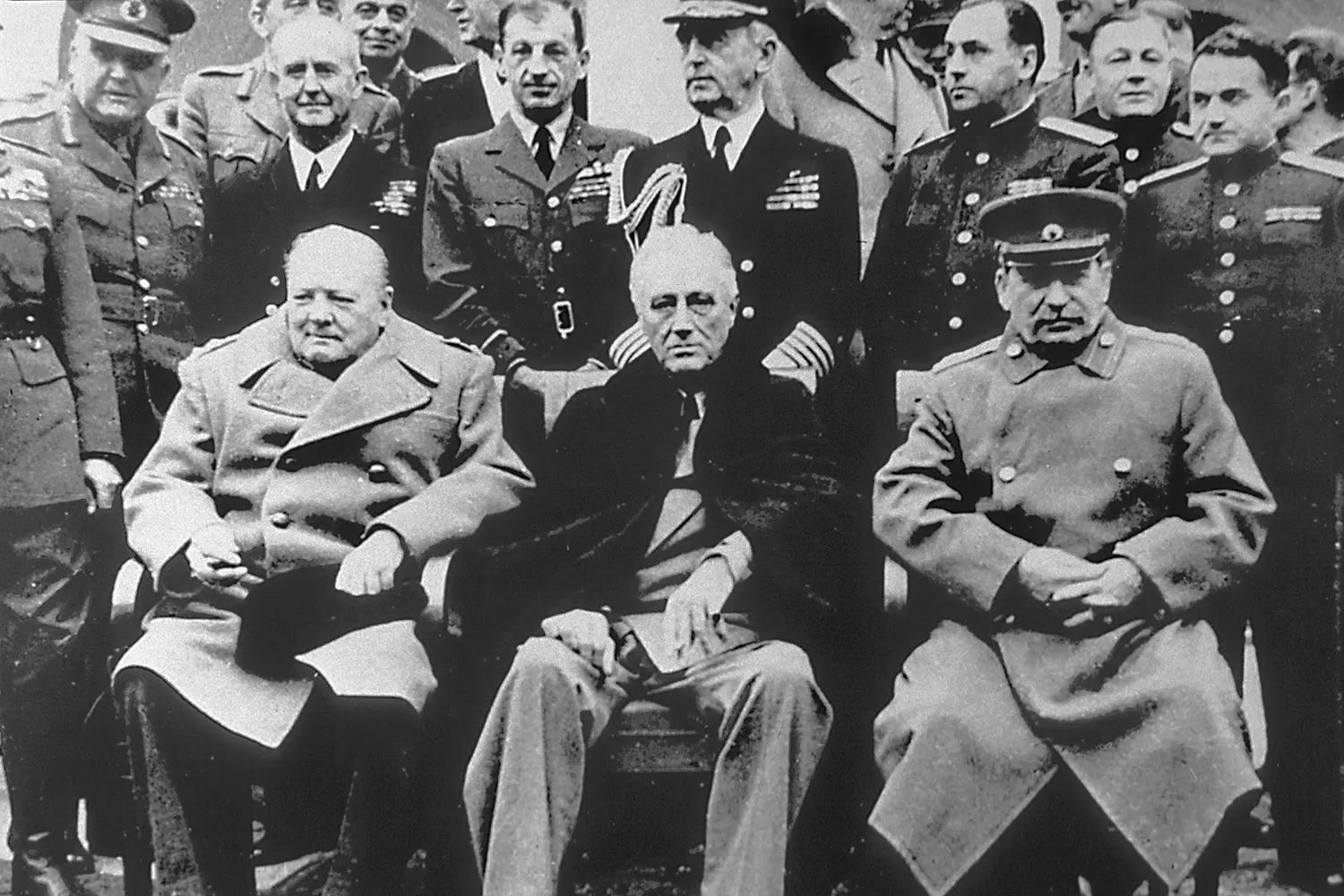
Giusto refused to equate the decision-making capacity and scope of both meetings, calling the comparison “ridiculous.”
For Schenoni, the most profound transformation could be a transition towards a new bipolarity between the United States and China, because competition does not prevent them from negotiating to manage crises that harm both and preserve their position vis-à-vis other actors. In other words, finally avoiding the “Thucydides Trap.”
Under that reading, the change would be to go from a system in which Washington had greater capacity to set the rules to another in which a few sit down to negotiate them for the rest.
However, the question that surrounded the meeting remains at the center of the discussion: whether this dialogue will be sustained over time and transform the Shenzhen commitments into effective agreements.