
Jeffries sets out five Democratic priorities for when they control Congress in January
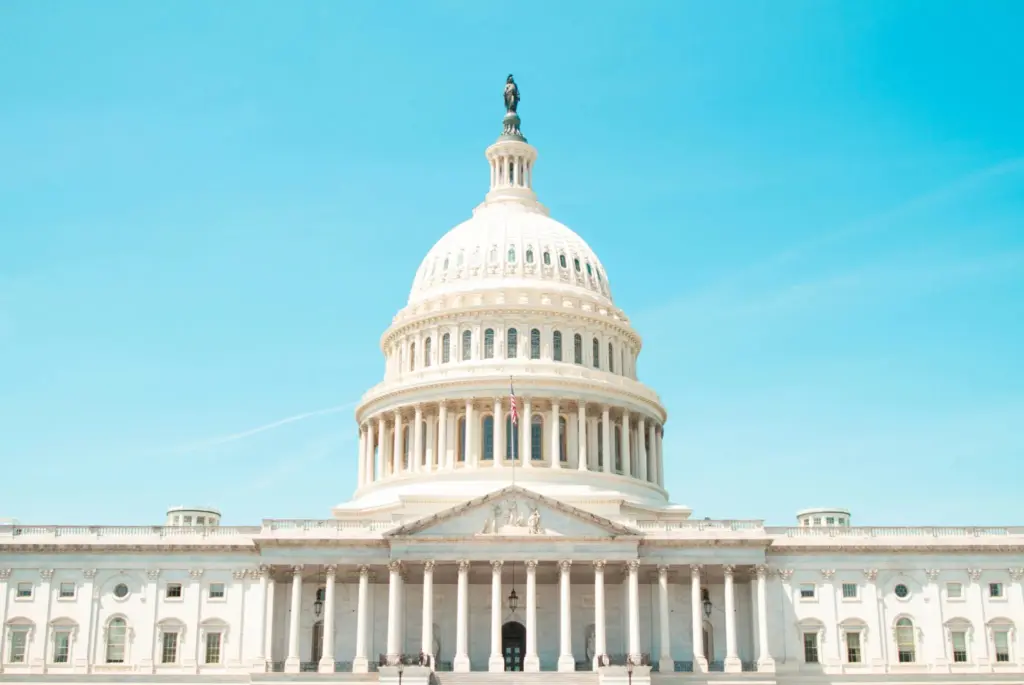
The Democratic priorities for the Congress that they will control in January they already have a script: make life, housing, health, responsibility in management and a counterweight to donald trump.
Hakeem Jeffriesleader of the Democratic minority in the House of Representatives, put order and names to that script this Sunday, November 22 in Face the Nationthe CBS political program, in conversation with Margaret Brennan. “We are going to work incredibly hard to deliver on our promises to the American people around affordability and accountability,” he said.
From affordability to responsibility: the five priorities, one by one
The diagnosis is not new. The order, yes. The cost of living is the number one problem in American politics and the party has made it an axis: “there are many people who work hard, who follow the rules, who do not make ends meet and who barely survive,” Jeffries summarized. From there hang the other four: housing, health, accountability of the Executive and a role of institutional counterweight to the White House.
On the table there are already pieces identified to be voted on “very soon in the new Congress.” Reverse Medicaid cuts (public insurance for low incomes), restore SNAP funds (the federal food stamp program) and extend tax aid from the Affordable Care Act, Obamacare. Added to that is “dealing with Trump’s tariffs, which have raised costs for ordinary Americans by thousands of dollars a year.”
The fifth piece is the one that makes the most noise in Washington: ending the war with Iran, which the Democratic leader referred to as “this reckless and costly war of choice that has skyrocketed the prices of gasoline, food and diesel.” The house completed the list of five, although in the detail detailed on Sunday it had not yet been articulated concretely.
The problem is arithmetic. Governing the House allows approval by a simple majority; the Senate demands to overcome the filibuster (the mechanism that requires 60 votes to close the debate and blocks the simple majority of 51). And even if the law comes out, overriding a presidential veto requires 67 votes in the Senate: two-thirds that the Democrats are not going to have with that margin.
A majority in Congress sets the agenda and forces the president to portray himself. It is not enough to govern, and Jeffries has known it from day one.
The Senate chooses who negotiates with the White House
Before January there is a vote that conditions everything else: that of caucus Senate Democrat (the meeting of its senators), expected in December, to designate its leader. Chuck Schumer aspires to rule the majority, but is faced with Chris Van Hollensenator from Maryland, backed by the socialist wing. Trump already warned on Saturday that it will be “very difficult” for him to understand Schumer if he ends up leading the Senate.
The other door was opened by the president himself. In an interview Saturday he called Jeffries “smart” and “reasonable” and declared himself open to negotiating. He also said he welcomed a cap on credit card interest and shared a publication by the senator-elect Abdul el Sayed (D-Mich.) defending the Medicare for All (the universal public healthcare that his party has been discussing for years without voting on it). El Sayed responded that he would work with him on a “TrumpCare for All”; Senator-elect Penny Flanagan (Minnesota) also joined on Sunday.
That’s the real terrain. Five priorities, a president willing to sign some and a disputed label: who gets the credit. Nobody signs for free.
Washington Logic
The choice of these five priorities is not ideological, it is electoral arithmetic. The Democratic Party has won Congress with the wallet, not with the climate: The districts that have pivoted in November 2026 have done so due to the price of rent and health insurance. The coalition supporting Jeffries ranges from Pennsylvania moderate to Michigan socialist, and the only message uniting them is affordability. Healthcare comes in because the left wing demands it; responsibility, because the base wants a counterweight.
There is a precedent that no one on Capitol Hill has forgotten: the first hundred days of Nancy Pelosi in January 2007, with George W. Bush in the White House. The House approved its agenda within weeks; What touched the ideological core died in the Senate or the Oval Office. The difference in 2027 is that now there is a president who has said out loud that he can sign things.
The clock is ticking differently: the entire House is up for renewal in 2028 and Jeffries said it bluntly (“if we don’t do anything about affordability in the next two years…”). Projection: Senate leadership in December, swearing-in on January 3, 2027, and one hundred days to pass something Trump can sign. For Spain, the key is not in Medicaid: it is in tariffs and consumer credit.
What is at stake in Spain: tariffs, olive oil and consumer credit
Spain sells goods to the US for about 18 billion euros a year, and a part of that flow lives under the sword of the tariffs that Jeffries wants to review. Tariffs are not eliminated with a law: a good part is based on the Section 232 (the section of the 1962 trade act that allows the president to impose national security tariffs without going through Congress) and in economic emergency legislation. Congress can legislate, yes, but it needs two-thirds to override a veto. The real way is commercial negotiation.
In the agri-food chapter, olive oil is the most exposed piece: Spain is the world’s leading producer and the US absorbs around a fifth of its exports from the sector, along with wine, preserved vegetables, citrus fruits and Castellón ceramics. Germany looks at the car; Italy, with oil and pasta; France, to wine and spirits. The Spanish Government defends a negotiated exit in Brussels within the framework agreed with Washington in July 2025, which set a 15% ceiling for most European exports.
The other front is financial and goes unnoticed. Santanderthrough Santander Consumer USA, has one of the largest consumer credit portfolios in the country; A legal cap on card interest would open a precedent that the sector looks at with a magnifying glass. BBVA operates in the US on a much smaller scale since selling its retail bank to PNC in 2021, limiting its direct exposure.
Iberdrola (via Avangrid) and Ferrovial They have direct interests in any housing and infrastructure plan that comes out of the House. And the Spanish pharmaceutical company—Grifols, Rovi—wins if there are more Americans insured: each extension of Obamacare aid means prescription volume.
Strategic reading is another. Washington is not going to dismantle the tariff building built since 2018 in 2027; At most, it will make it cheaper through agreement. The countdown has already begun.
Case File
- The case: Hakeem Jeffries presents the five priorities with which the Democratic Party will open its majority in Congress on January 3, 2027, with affordability as the axis and a Trump open to agreeing on parts of the agenda.
- Key facts: five priorities (cost of living, housing, health, responsibility and balance); inauguration of the new Congress on January 3, 2027; 67 votes in the Senate to override a veto; 15% tariff ceiling in the EU-US framework. USA July 2025.
- For Spain: Some 18 billion euros of annual exports to the US are at stake, with olive oil, wine, ceramics and Santander consumer credit as the main focuses.