
INSS bets on artificial intelligence to save billions “without pedaling”
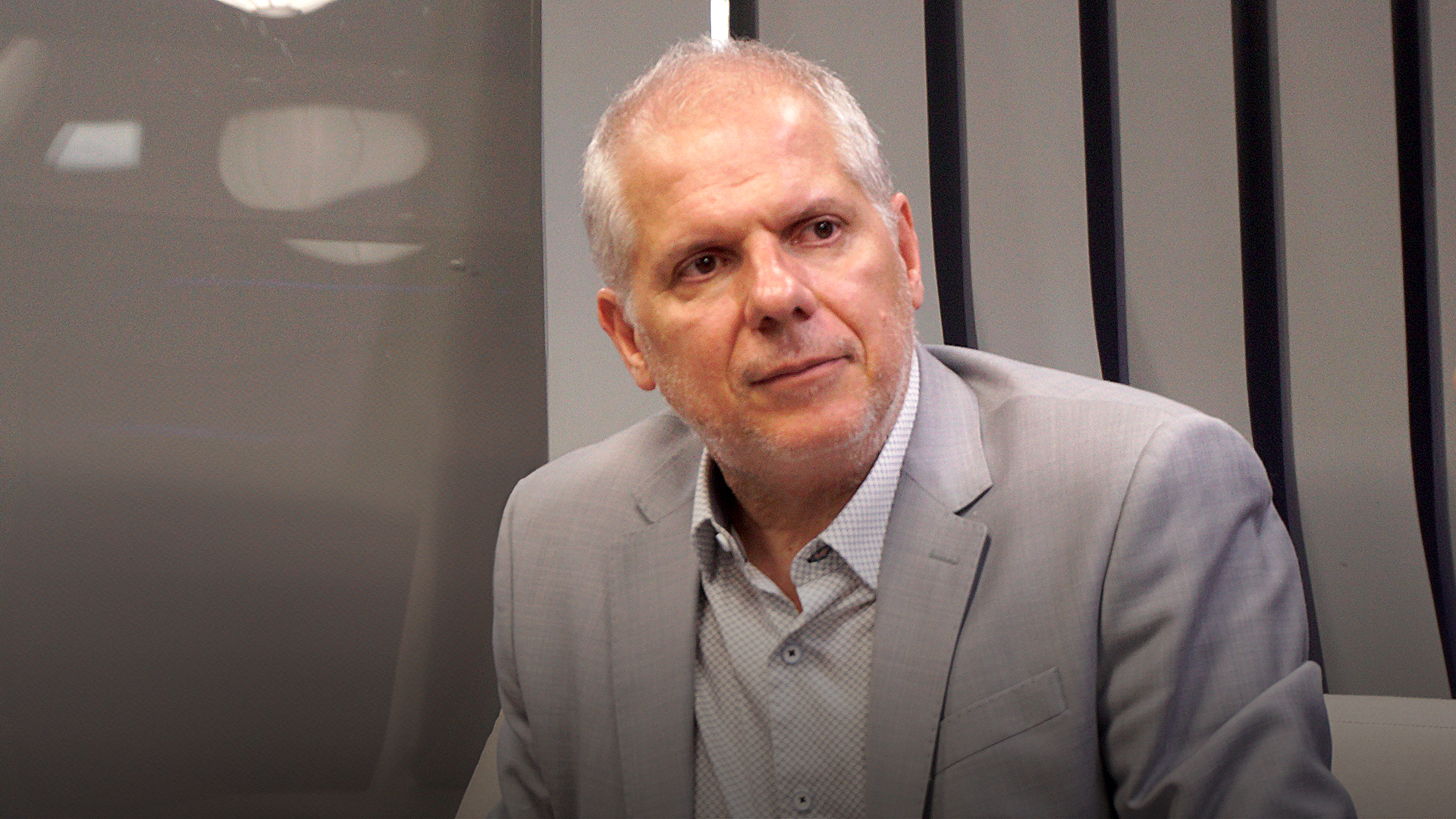
Owner of one of the largest expenditure lines in the Public Budget as it is responsible for the transfer of benefits and services from the General Social Security Regime (RGPS), the National Social Security Institute (INSS) has been looking for ways to cut spending and contribute to the federal government’s objectives of balancing public accounts.
In an interview given to InfoMoneythe president of the organization, Alessandro Stefanutto, explained that one of the verticals to generate greater efficiency in the services provided involves investing in the use of artificial intelligence in processes. The idea is that new technologies will begin to be implemented in 2024.
READ ALSO: INSS advances in systems and communication to reduce fraud and scams
“We did a proof of concept with 8 companies. Six couldn’t handle it, because it really involves a certificate, a base (data) heavy… And two reached the end. Dataprev therefore prepared the acquisition. And our idea is to start using it this year”, he stated. Check out the full video above.
In the conversation, Stefanutto acknowledged that the gains from the new processes will take some time before they begin to be noticed, but stressed that the change represents a significant advance for the institution.
“From what I have read, with artificial intelligence, you will gain exponentially. At first, the curve is still a little steep, but this is a revolution for the INSS. Because I’m going to start doing this data balance: ‘here I have to put expertise’. ‘Not here, go back to Atestmed automatically’“, he said.
For him, AI will help the agency analyze the data collected and make more effective decisions about the best use of its structure, such as the cases in which experts should be allocated and those in which this is not necessary and automation would be sufficient.
Part of this work has already been carried out with Atestmed, a system that allows insured people to request the benefit due to temporary incapacity (formerly sickness benefit) by requesting document analysis in a digitized form, without in-person expertise ─ which reduces costs for the institution and allows a better allocation of professionals.
“We will be able to take stock of the insured, have a ranking, automatically. Other work processes, for example those in which we investigate irregularities, (also) will be done automatically. They already get on a treadmill to take care of them ready. Today we do it manually”, he compared.
“We have a lot to deliver, but the big news for INSS, for next year, is artificial intelligence. What is the perspective? The proof of concept was carried out, the notice was issued, and Dataprev was hired. We will start using it as soon as it becomes available to us. The information I received was that, perhaps, this year, we will be able to start using artificial intelligence”, he pointed out.
The economic team of the president’s government Luiz Inácio Lula da Silva (PT) expects to save R$7.3 billion in expenses linked to the INSS in 2025. The amount represents 28% of all expense reduction measures announced in August. Of the agency’s spending cuts, R$6.2 billion should come from the implementation of Atestmed and another R$1.1 billion from precautionary and administrative measures.
In addition to these resources, the INSS will make a contribution to public accounts with the resources raised from the recent benefit sheet auction, held last week. Of the 26 lots, Crefisa won 25 and Mercantil the other. According to the government’s calculations, the process should generate something around R$6 billion per year for the National Treasury’s coffers, even in a contest held during a legal dispute.
During the interview, Stefanutto defended the need to establish a structured method to deal with both the queue of beneficiaries and the review processes of some programs ─ thus ensuring more predictability for public accounts and avoiding problems with compensation and retroactive payments in the future.
“What happens? Carelessness at one time, and then cruelty at another, of not providing benefits to those who are entitled to it. That era is over. Now everyone who is entitled is having benefits delivered faster. This is on the street, in the numbers. And we are improving quality by carrying out revisions”, he stated.
“And this cannot be done just to (to generate) a tax gain, for later, in the following years, no. We had reviews that were poorly done, from a legal and operational point of view, and then, the following year, the Court correctly reversed more than 80%/90% of the numbers. We can’t do that. It’s like cycling. And worse: he takes advantage of simple people”, he concluded.