
How do elections and counting work in the United States? See rules
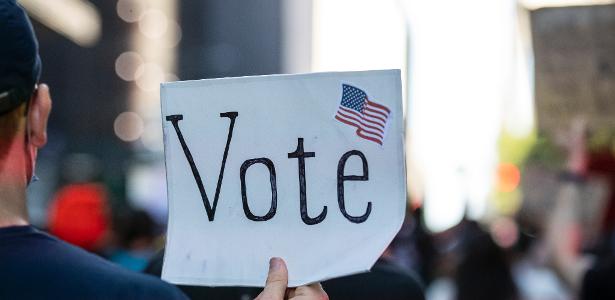
Vote count
The calculation time is not always the same. In 2016, the results were known the morning after election day, with Donald Trump winning. In 2020, the process took five days to confirm Joe Biden’s victory, as the dispute was more fierce, which required every vote to be counted until the last minute.
The way voters vote impacts the pace of the count. In the United States, it is possible to vote in three ways: in person on election day, as in Brazil; in advance, also in person; or by mail, days or even weeks in advance. When there is a large volume of postal votes, as occurred in 2020, the count may be slower.
Each state has its own electoral rules. In some, poll workers must verify signatures and enter paper ballots into counting machines while overseeing in-person voting, which can delay the process. In states like Florida, however, ballots can start being counted as soon as they arrive in the mail.
How is the calculation carried out in the USA?
The president is not chosen by popular vote. Instead, candidates compete for the support of the majority of the 538 delegates, and victory goes to whoever obtains the “magic number” of 270 votes in the Electoral College. There are exceptions in Maine and Nebraska, which adopt a proportional system, where two delegates vote for the state, while others follow the results of their districts.