
Australia bans access to social networks for children under 16

Australia has declared itself the “world leader” of an initiative that could trigger a new stage in the regulation of social networks around the world.
The Australian government announced on Thursday (7) that it will ban access to social media for children and teenagers under 16, affecting technology giants such as Google, Meta and X.
Companies that do not comply with the measures provided for in the law that must pass in parliament later this month will be punished with fines and other sanctions, according to Prime Minister Anthony Albanese.
The fight against social networks is old in Australia
Australia is a pioneer in laws that regulate big tech. In 2021, Facebook and Google were forced to pay media companies for the use and display of journalistic content. The measure served as an example for other countries, such as France and Canada.
Now, Australians want to crack down on the presence of children under 16 on social media.
The decision, which, if approved, could be implemented from next year, is a response to growing concerns about the impact of digital platforms on the mental health and emotional development of children and adolescents.
Also read | ‘Digital nicotine’: 13 US states sue TikTok for harming young people’s mental health
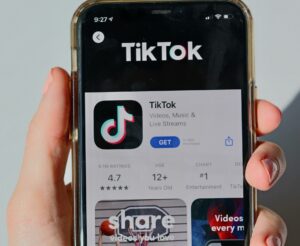
“Social media is harming our children and I am putting an end to it,” the Australian prime minister said at a press conference.
Albanese highlighted how the impacts are particularly cruel for girls exposed to “harmful representations of the body” while boys are targets of misogynistic content.
And he added:
“It is very difficult for a 14-year-old teenager to receive this type of content at a time when they are going through changes and maturing. We are acting against the risks.”
With the new law, the Australian government hopes to combat cyberbullying and reduce access to inappropriate content for young people on social networks, which, according to research, has contributed to the increase in anxiety and depression among teenagers.
Platforms will be responsible for enforcing age restrictions.
The government, however, did not specify how this should happen. If the law is approved, companies will have a year to study the best way to prevent children from accessing networks.
Even young people who have parental consent or who already have accounts should be removed from the platforms, highlighted the prime minister.
“The responsibility (for banning children from social media) will not lie with parents or young people. There will be no sanctions for users”, explained Albanese.
Also read | After criticism, Instagram tests selfie video to verify the age of teenagers

Meta says he will obey the law, but questions methods
Meta’s global head of security, Antigone Davis, said the company that owns Facebook and Instagram will comply with any determination imposed by law by the Australian government, but questioned how this could happen.
“It is not possible to force the industry to be in a technological place that it is not,” he said, adding that laws like the one proposed in Australia serve to make society think that it is “taking action”, when, in fact, “teenagers and parents won’t be in a better place” on social media.
TikTok, X and Alphabet (Google’s parent company) did not comment on the proposal directly, but rather through a statement from the Digital Industry Group (DIG), a representative body that includes the three companies and Meta.
For the DIG, the measure could encourage young people to browse “dark parts” of the internet to circumvent restrictions.
“Keeping young people safe online is a top priority. But the proposed ban on teenagers accessing digital platforms is a 20th century response to 21st century challenges,” said DIG managing director Sunita Bose.
“Rather than blocking access through bans, we need to take a balanced approach to creating age-appropriate spaces, developing digital literacy and protecting young people from online harm.”
Also read | Is it possible to give up on social networks controlled by Big Techs? Maria Ressa’s proposal for real conversations without profit and without hate