
Government tries to act against food inflation, but instruments are limited
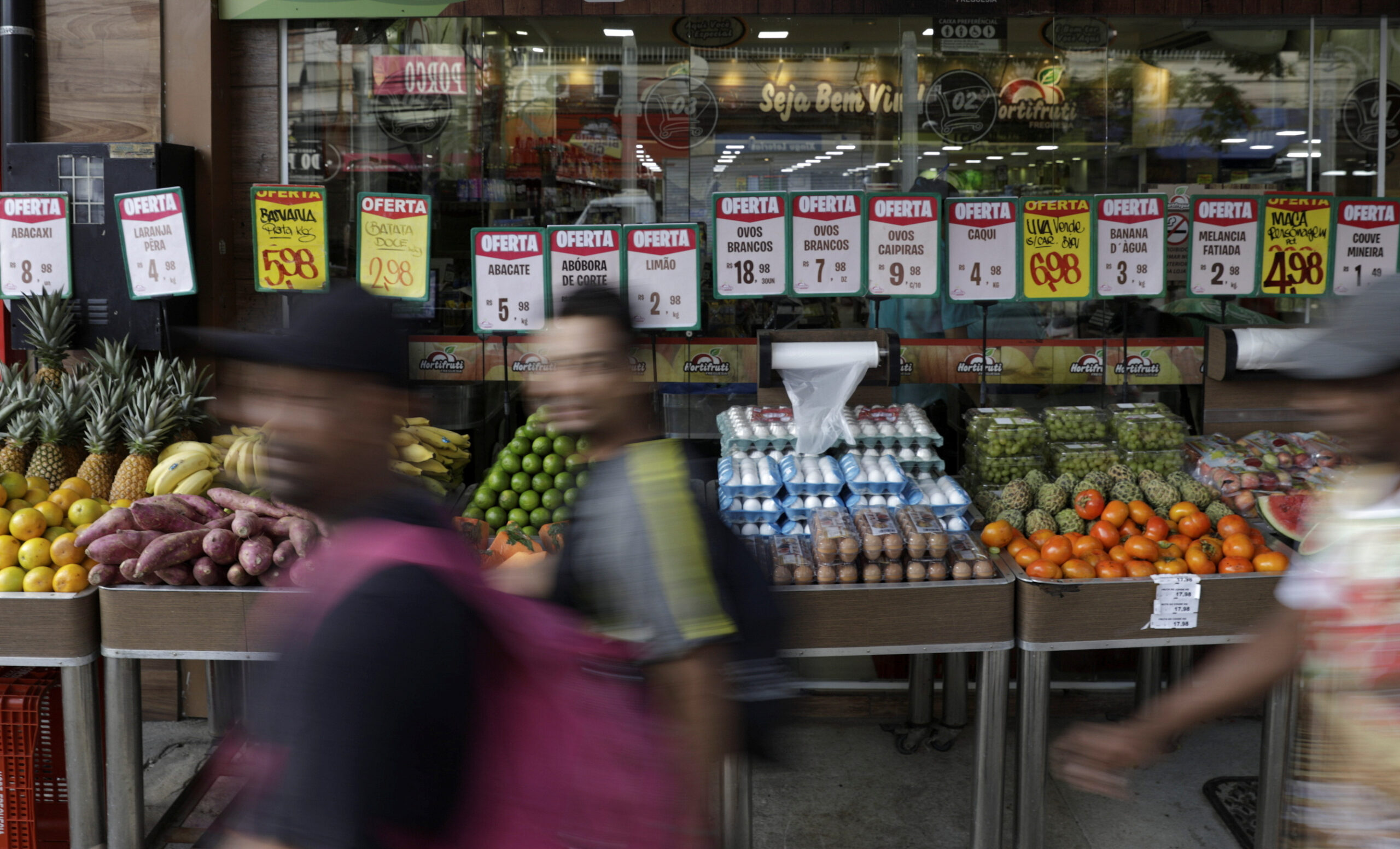
President Luiz Inácio Lula da Silva (PT)’s demand on his ministers to look for ways to contain food prices led to a crisis inside the Palácio do Planalto, but, amid a scenario of high dollars and rising international prices, options are limited and the government has no concrete short-term action, sources involved in the discussions said.
“There is very little today that the government can do. You can take some measures, but it’s all partial, or with a residual impact,” he told Reuters a government source who participates in conversations about food inflation.
“The price of commodities is high today. Even if you increase the area produced, the producer will sell at the best price. It will not sell on the domestic market to help the industry,” he added.
I WANT MY ACCESS
Read more:
Government may change import tax to make food cheaper, says Rui Costa
Record harvest and reduction in the dollar will help with food prices, says Alckmin
The issue of rising food prices was raised by the president at Monday’s ministerial meeting. Lula asked the ministers of Agriculture, Carlos Fávaro, and of Agrarian Development, Paulo Teixeira, whether there were measures being studied to try to contain the rise in prices, and was irritated when he heard that there was nothing.
The charge led to a sequence of meetings in recent days and also to a series of conflicting information. After a new meeting this Friday between Lula and assistants, the Minister of the Civil House, Rui Costa, had to promise that there will be no “heterodox measures” to try to contain prices, such as state supermarkets, subsidies or price freezes.
“Some suggestions were presented, but I would say that the main issue, to summarize, is that the president asked them to give a magnifying glass, a greater focus, when defining existing public policies and that these stimuli have a greater focus in the products that are in our basic basket”, said Costa.
Asked how to act when the government has limited tools, since the problem is the high dollar and rising commodities, the Minister of Agriculture reinforced that the focus is on adopting measures to encourage increased production, as was done with rice last year .
The government is also considering changing the rules of the Workers’ Food Program (PAT) – food and meal tickets -, which currently have administration fees considered very high, and reducing import rates for foods that, by chance, are more expensive in Brazil than in the international market.
According to sources heard by Reutersthese measures can reduce costs, but admit that the impacts are limited.
