
Senate approves reciprocity bill for commercial sanctions
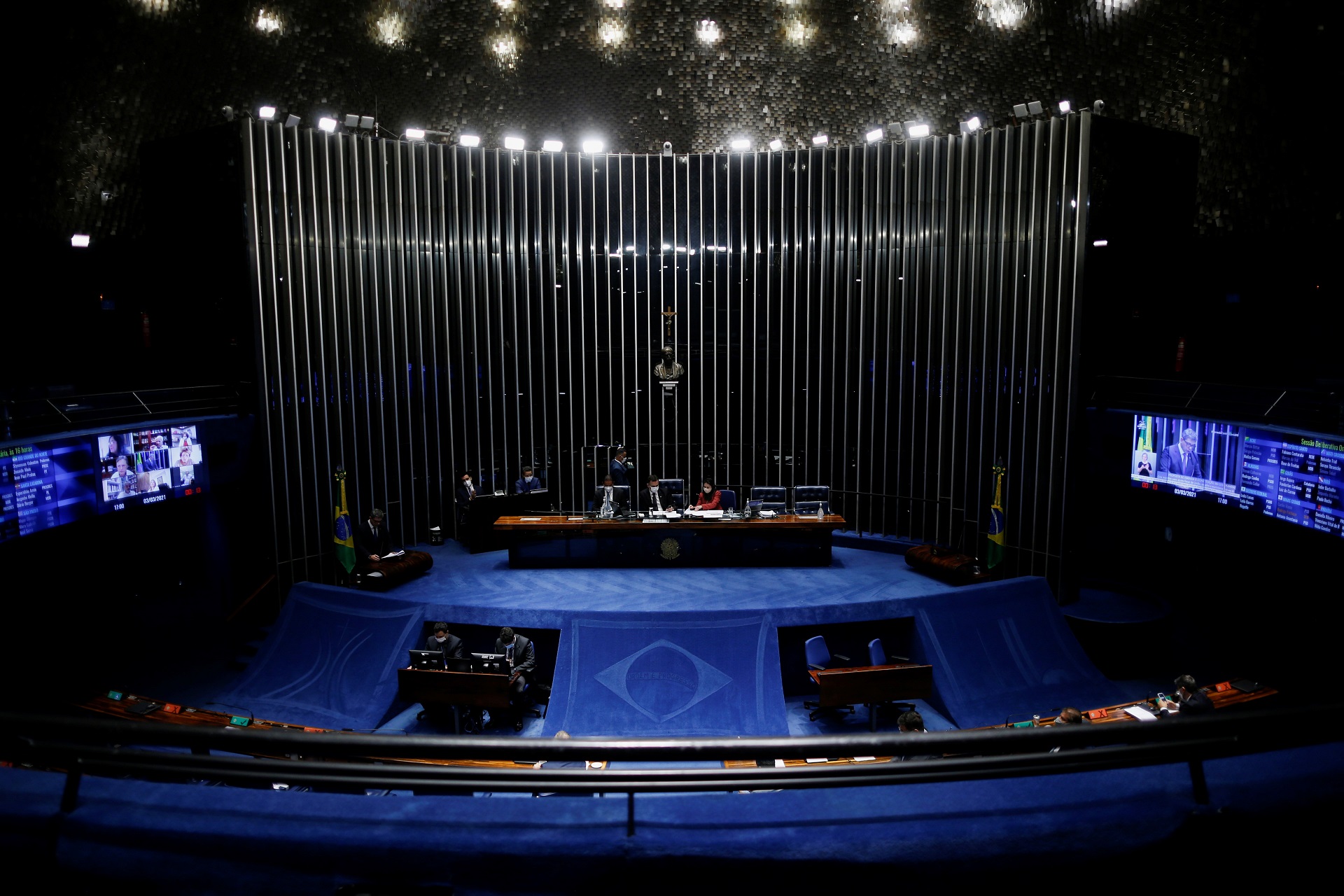
The Senate Economic Affairs Committee (CAE) approved, on Tuesday (1st), the Reciprocity Bill, which authorizes Brazil to apply commercial sanctions to countries that do not offer isonomic treatment to Brazilian trade. The proposal is seen as a response to the recent “tariff” announced by US President Donald Trump and possible restrictions of the European Union to export of Brazilian bovine protein and soy.
I want my access
Because it has been approved on a terminative basis, the text goes directly to analysis by the House of Representatives. CAE President Senator Renan Calheiros (MDB) said he will ask the mayor, Hugo Motta (Republicans), the vote of the text urgently later this week.

Haddad says that “unjustifiable retaliation” of the USA about Brazil would cause strangeness
President Donald Trump, who has been promising to announce reciprocal rates on April 2
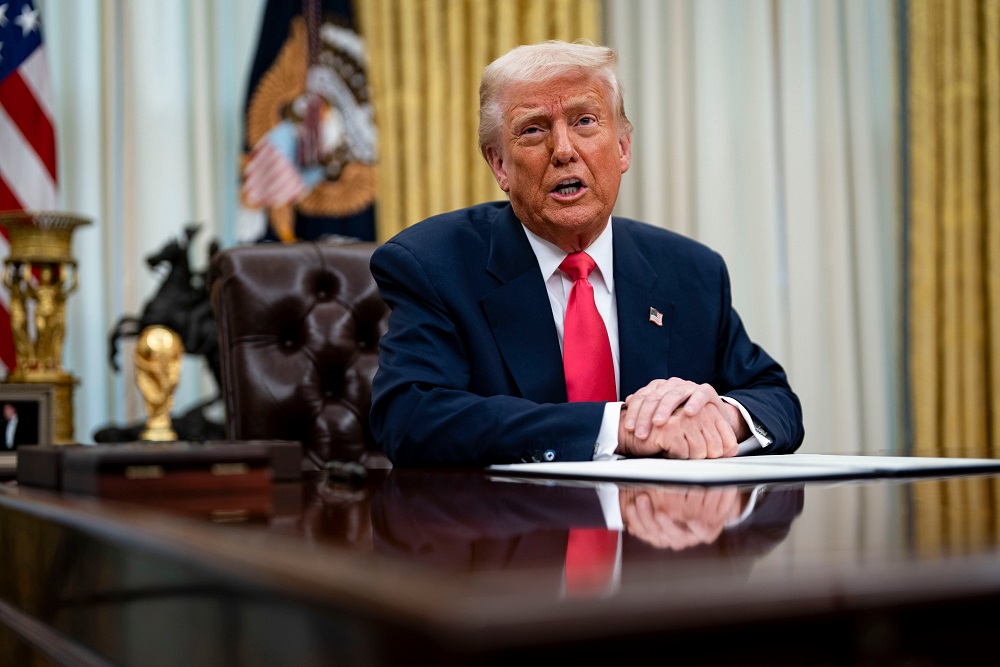
Trump will announce reciprocal tariffs on Wednesday at an event in the White House Garden
White House Secretary of Press said on Monday that the announcement will include “country-based” tariffs
From climate to competitiveness
Originally, the text, by Senator Zequinha Marinho (Somos), focused on environmental themes. However, the approved substitute, written by Senator Tereza Cristina (PP), expanded the scope to allow trade defense measures.
Now, the proposal authorizes the Chamber of Foreign Trade (Camex) to adopt economic sanctions against countries or blocks that impose more rigorous commercial or environmental barriers than the international international agreements.
According to Tereza Cristina, the goal is not to “punish” business partners, but to ensure fair access of Brazilian products to global markets, without disproportionate demands or abusive tariffs.
What does the project foresee?
Among the contracted permitted by the new legislation are:
- Application of fees, taxes or restrictions on goods and services of countries that adopt discriminatory measures.
- Suspension of commercial concessions or investments.
- Annulment of concessions related to intellectual property.
- Answer to environmental requirements that exceed standards agreed in the Paris Agreement or National Environmental Policy.
Reaction to the Commercial War
The advancement of the project occurs amid growing commercial tension with the US. From April 3, cars exported by any country to the US will be taxed by 25% – a value lower than the Brazilian rate of 35%, but can impact Brazilian exports.
Government sources claim that, in view of the difficulty in reaching an agreement with Washington, it is not discarded the adoption of a linear tariff by the US, which would affect the entire agenda of Brazilian exports. An alternative, already discussed with the Americans in at least four recent meetings, would be to exclude Brazil from this tariff war.
Behind the scenes, the government of President Luiz Inacio Lula da Silva (PT) considers that tariff reciprocity is an essential instrument to protect Brazilian competitiveness, especially in a scenario of increasingly intense commercial and environmental disputes.
