
Most Brazilians say economics got worse under Lula, shows Datafolha
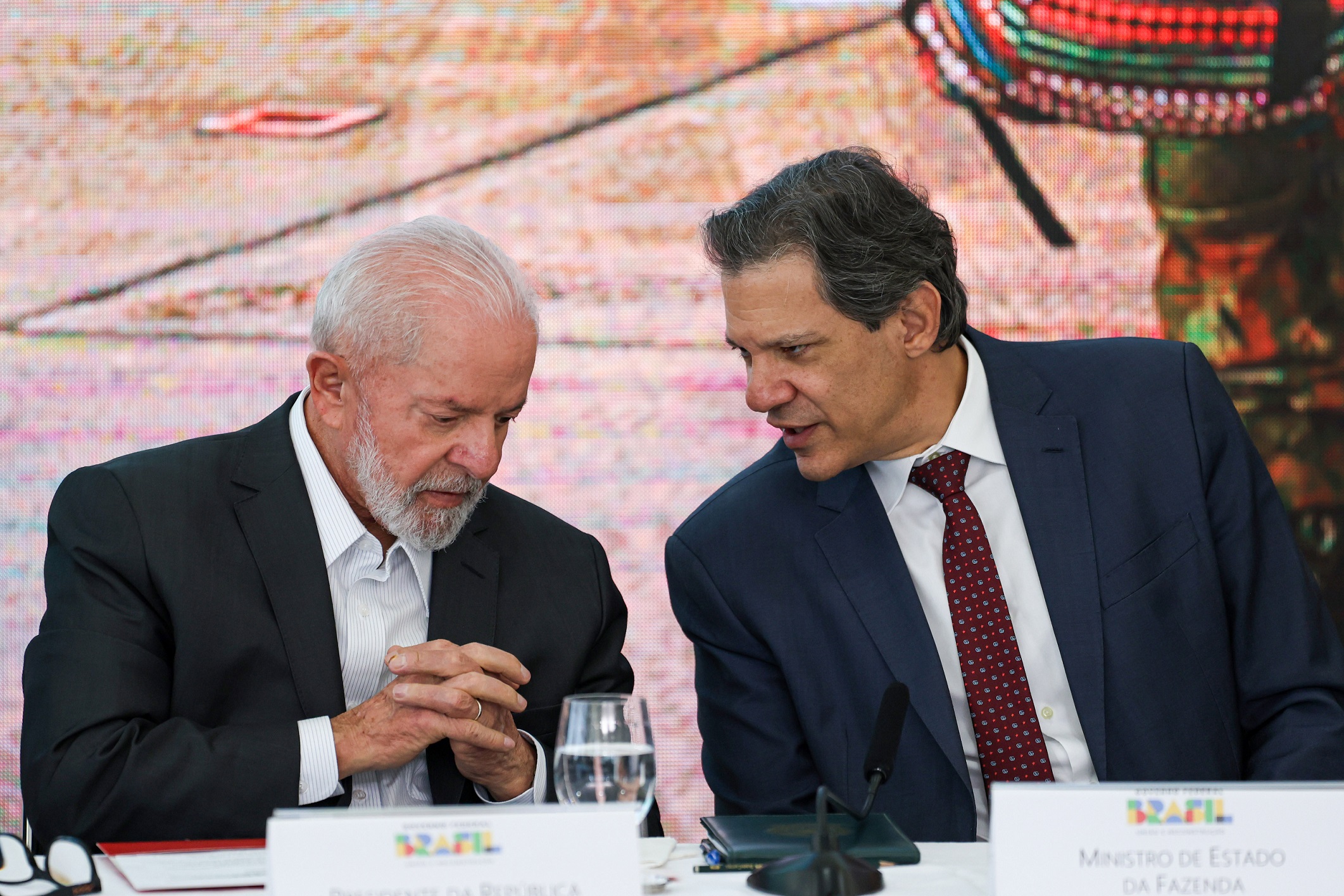
For the first time in the third term of Luiz Inacio Lula da Silva (PT), most Brazilians say he realizes a worsening in the economy. This is what the new Datafolha survey shows, released on Saturday (5), pointing out that 55% of respondents evaluate that the economic scenario has deteriorated in recent months – up ten percentage points compared to the previous poll made in December.
The deterioration of perception occurs amid mixed economic indicators and increased inflation. The survey was conducted between April 1 and 3, 2025, three weeks after the disclosure that the country recorded an inflation of 1.31% in February – the largest for the month in more than two decades.
The survey listened to 3,054 people in 172 municipalities. The error margin is two percentage points, more or less.
I want my wallet
IPCA and IBC-BR in Brazil, inflation and minutes of the US Fed: what to look at the week
Everything the investor needs to know before operating in the week
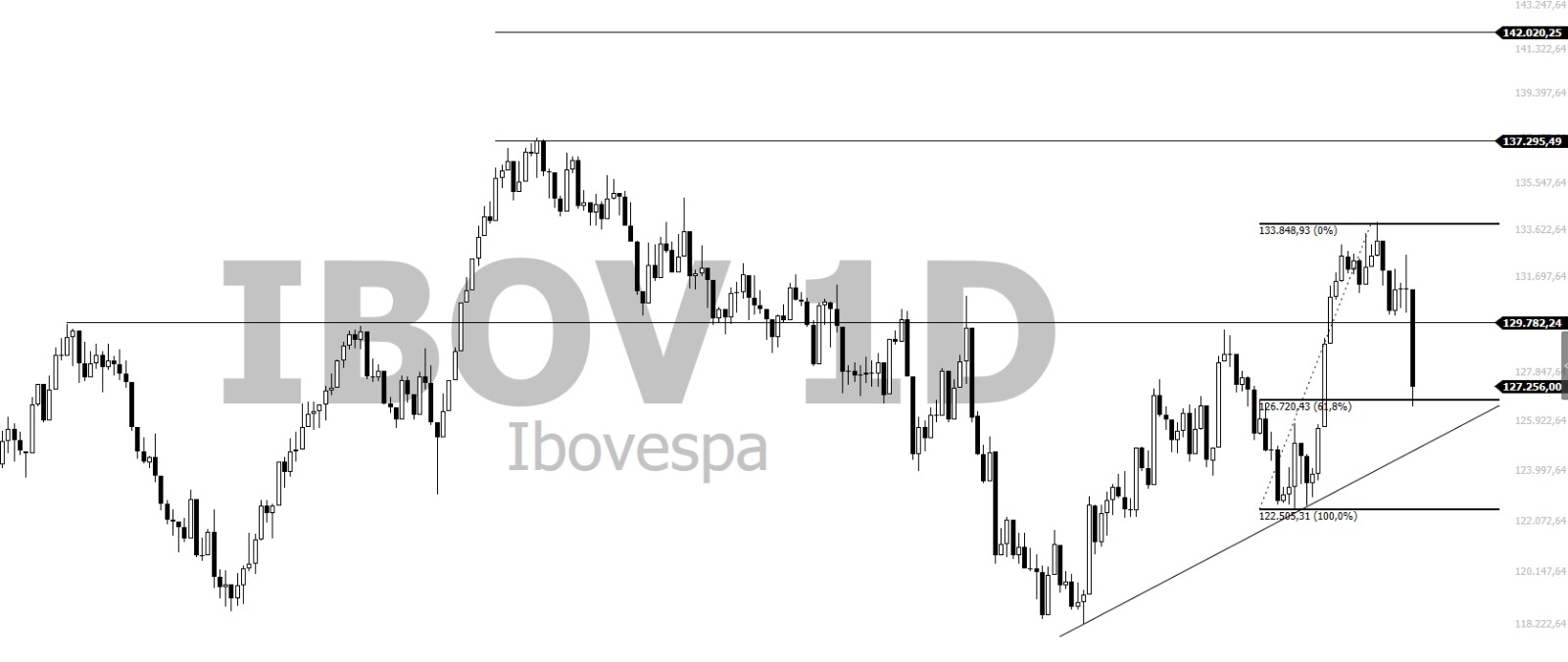
Analysis: Ibovespa faces correction, but also has a high -term trend in the short term
If the seller volume persists the index may test other support points
Negative perception grows among young and richer
The most significant change occurred among those who once considered the economy stable: this group fell from 31% to 23%. Those who saw improvement in the economic scenario remained stable, with 21% of the answers.
Among the most critical segments for the conduct of the economy, we highlight young people 16 to 24 years old (61%), who earns over ten minimum wages (60%) and those who studied until high school (60%).
Economic future also inspires caution
When the focus turns to the coming months, pessimism is still high. 36% believe the economy will get worse, compared to 28% in the previous survey. Another 32% do not expect changes, and only 29% maintain expectations of improvement.
Despite the advancement of negative vision, pessimism with inflation has lost strength: 62% say they expect high prices in the coming months, a five -point drop compared to December. The group of those who believe in falling inflation went from 9% to 14%.
Income and Employment: Disbelief persists
The purchasing power of salaries is also a cause for concern for respondents: 37% believe that the actual value of wages should fall – a slight improvement compared to 39% of the previous survey.
In relation to the labor market, popular perception contrasts with the positive data of IBGE and CAGED. 43% think unemployment will increase, 33% expect stability and only 21% believe in improvement.
The negative view happens although official indicators show resilience: the unemployment rate rose to 6.8% in the quarter ended in February, but is still at historically low level. Caged, in turn, recorded the creation of 431 thousand formal vacancies in the same period – a record in the series started in 2020.
