
Acidification of the oceans is weakening teeth of sharks
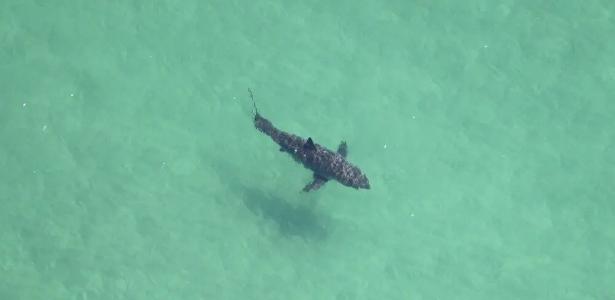
For work, discarded teeth were collected from an aquarium. Among them, 16 that were completely intact and without damage were used for the pH experiment and another 36 to measure the circumference before and after.
The teeth were incubated for eight weeks in separate tanks of 20 liters. Compared to those introduced in a pH of 8.1, the most acidic water exposed had significantly higher damage.
“We observe visible damage to the surface, such as cracks and holes, an increase in root corrosion and structural degradation.” In addition, teeth circumference was higher at higher pH levels, highlights Sebastian Fraune, another author of the research.
The study analyzed only discarded teeth of non -alive mineralized tissue, which means that the repair processes that can occur in living organisms could not be taken into account.
In living sharks, the situation “can be more complex,” as they could remineralize or replace damaged teeth faster. But “the energy cost of this process would probably be higher in acidified waters,” the study ponders.
Impact of climate change on marine ecosystems
