
Acts against social networking blockade at Nepal topple premiere- MediaTalks in Facto News
Measure had been adopted last week on the grounds of containing hatred speech on digital platforms and obliging your local registration
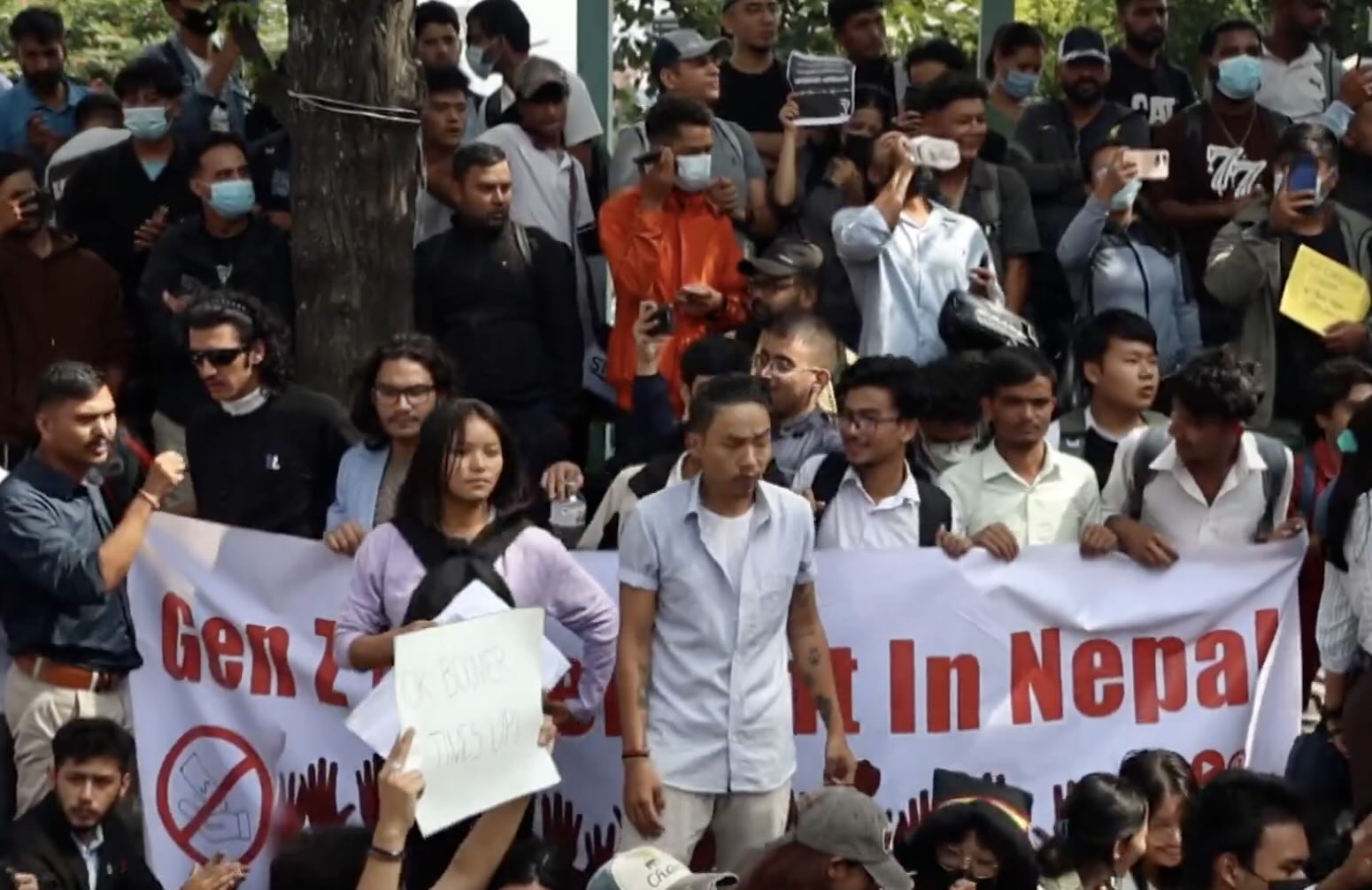
The insurrection led by generation Z that has taken over Nepal in the last two days in protest against the blockade of 26 social networks, leaving at least 19 dead and more than 500 injured, eventually led to the revocation of the measure and causing the prime minister’s fall.
After the chaos, which even closed the country’s airports, Khadga Prasad Sharma Oli presented her letter of resignation to the president on Tuesday.
The fuse of the protests was the blockade of almost all digital media platforms last week by the government – including Facebook, Instagram, Youtube, WhatsApp, X (Twitter), LinkedIn and Reddit – to a measure that, according to authorities, was intended to force companies to officially register in the country.
Interestingly, Tiktok, the China -controlled platform, remained active, which generated even more suspicion among protesters, who accused the government of favoring platforms aligned with geopolitical interests.
The movement, nicknamed GEN Z YOUTHS ON THE STREETS!spread through Katmandu, Pokhara, Itahari and other cities, with young marching under slogans such as “Close corruption, not social networks” and “Digital Freedom is Civil Freedom”
Protesters faced police, invaded public buildings, and attacked the Nepalese parliament, as well as politicians.
According to The Himalayan Times, the leading local newspaper in English, Interior Minister Ramesh Lekhak had already resigned on Monday night, assuming moral responsibility for deadly repression of generation Z protests against corruption and the ban on government on social networks.
Lekhak presented his resignation during a cabinet meeting chaired by Prime Minister, Khadga Prasad Sharma Oli, which hours later also announced that he was leaving office.
In his letter to President Ramchandra Paudel, Oli recognized the country’s extraordinary circumstances and cited the need for a constitutional political resolution, according to the newspaper.
Read too | As the Taliban destroyed the press in Afghanistan 4 years after resumption – while Gaza and Russia x Ukraine receive all the attention
CPJ criticizes social networking blockage in Nepal: serious threat
The Journalist Protection Committee (CPJ) has published an official statement condemning the blockade of social networks in Nepal, classifying the measure as a serious threat to freedom of the press.
According to the CPJ, the Nepalese government would be “undermining the work of journalists and public information” by blocking essential platforms for communication and news dissemination.
The organization had asked the government to immediately revoke the media and restore access to social networks, which are fundamental tools for the exercise of freedom of expression.

Journalists also made protests against repression, in the country in 90th place in the global press release index of the Reporters Without Borders organization.
Revolt against political situation in Nepal
Although the blockade was the trigger, what is at stake is much deeper: indignation against systemic corruption, youth unemployment and social inequality.
The impact of the block would be devastating: millions of Nepalese would be unable to communicate with family members who live abroad, without access to independent information and no room to express their opinions.
The measure was interpreted as an attempt of censorship and social control, especially by a youth that grew up connected and digitally engaged.
The government justified the measure claiming to have a discourse of hatred and violence in the networks.
The Supreme Court Bar Association of Nepal said the attempted blockade has violated fundamental rights and that the state should offer free medical treatment to victims of clashes.
The association also requested an investigation into overuse of strength by the authorities.
Read too | Putin limits WhatsApp and Telegram in Russia and imposes use of state app on new smartphones