
Afghanistan: 2 journalists killed amid conflict with Pakistan
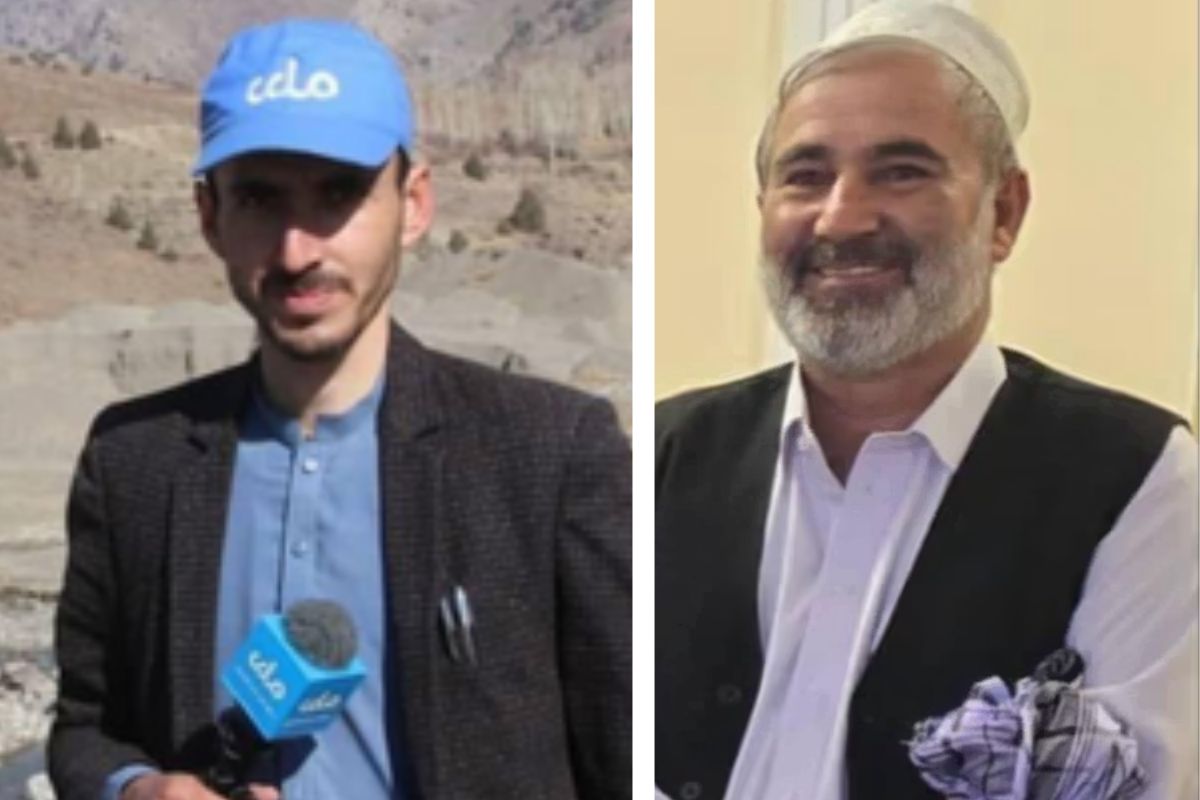
Amid an escalation of tensions between Afghanistan and Pakistan, two journalists were killed in the country in just two days, one of them in the capital, Kabul.
Abdul Zahir Safi, who worked for Afghan state media, was the victim of an airstrike allegedly carried out by Pakistan on Wednesday (15) in a civilian area of the city, according to the International Federation of Journalists (IFJ) and the Afghan Independent Journalists Union (AIJU).
The attack took place a day after the death of journalist Abdul Ghafoor Abed, who was shot while covering clashes between neighboring countries.
According to AIJU, professionals from Paktia National Television were monitoring Taliban military operations in the Zazai Maidan district on the Khost border, which borders Pakistan, when attacks were allegedly carried out by Pakistani forces.
Another Afghan journalist, Tawab Arman, was injured in the same attack, as was a driver, according to the IFJ.
Both press organizations strongly condemned the murders and demanded an urgent investigation into the circumstances of the deaths.
Also read | War in Gaza marks 2 years as the most lethal conflict for journalists in modern times
Conflict between Pakistan and Afghanistan
Violence between the two countries has increased since explosions were reported in Kabul and Kandahar last week.
Fighting on the border intensified on the weekend of October 11 and 12, and is seen as the most serious since the Taliban took power in 2021.
Both sides have accused the other of starting the conflict, which has claimed the lives of fighters on both sides as well as civilian casualties in Afghanistan.
The Taliban claims to have killed more than 50 soldiers, while Pakistan claims to have killed around 200 of its adversary, the Federation reported.
The countries confirmed a temporary ceasefire on October 15, but Safi’s death occurred a day later.
Who was the journalist killed in the capital of Afghanistan
Abdul Zahir Safi was an employee of the Taliban government’s media department, which is part of the structure of the Ministry of Information and Culture.

He was active in promoting poetry and songs with religious themes (taranas) that align with Islamic values, which dominate state media programming and are mandatory even in independent media.
In a statement, Afghanistan’s state broadcaster said Safi was the victim of “a deliberate attack,” but the statement did not include the exact time or location of the attack.
IFJ General Secretary Anthony Bellanger said:
“The murder of Abdul Zahit Safi is a tragedy and media professionals who are guaranteed protection under international law as ordinary civilians should not be targeted.
The IFJ reiterates its demand that state actors comply with international law and ensure the safety of media workers amid outbreaks of conflict.”