
AI apocalypse in employment is real, and job creation is practically zero in the USA
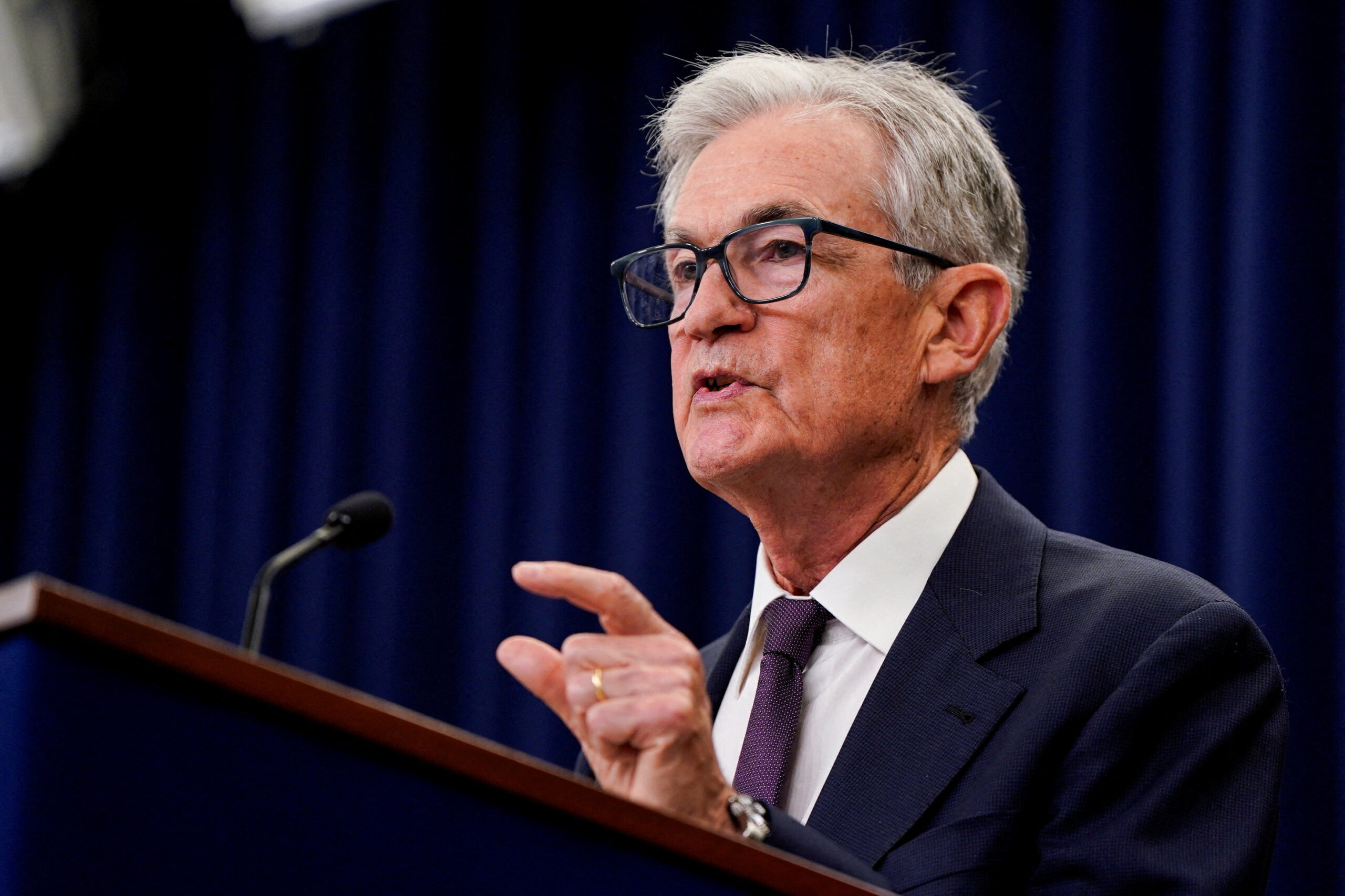
Federal Reserve Chairman Jerome Powell painted a bleak portrait of a job market that looks good on the surface — 4.3% unemployment and solid consumer spending — but is quietly losing steam. Adjusting the numbers to eliminate overcounting in payroll data, he said during a press conference that “job creation is practically at zero.”
He linked this slowdown, at least in part, to what CEOs are now openly telling investors: Artificial intelligence allows you to do more with fewer people.
Also read: Grok, Elon Musk’s AI calls Brazil “Bostil” in a post about the economy
Take your business to the next level with the country’s top entrepreneurs!
Powell noted that “a significant number of companies” have recently announced layoffs or hiring freezes, many of them explicitly citing AI as a reason.
“A lot of times, they’re talking about AI and what it can do,” Powell told reporters after the Fed’s interest rate cut decision, warning that large employers are signaling they won’t need to add staff for years. “We are watching this very carefully,” he added.
The comments came after the Federal Reserve cut interest rates by a quarter point to the 3.75% to 4% range, citing “downside risks to employment,” even as inflation remained high.
Powell said the U.S. economy continues to grow at a “moderate pace” even as hiring slows. He described company spending — especially on building data centers and AI-related equipment — as one of the “great sources of growth in the economy.”
Powell also rejected the idea that all this investment is creating another speculative bubble. He drew a clear line between the current surge in capital spending and the “dot-com” era, noting that “these companies actually make profits.”
These projects, he said, are not especially sensitive to interest rates, as they reflect long-term bets on higher productivity.
At the same time, Powell highlighted that the AI boom creates a monetary policy dilemma for the Fed. Automation is increasing production, but also allowing companies to do more with fewer workers — weakening the job market, even with GDP still positive.
“We have upside risks for inflation and downside risks for employment,” he said. “This is something very difficult for a central bank, because one of these factors calls for lower interest rates, and the other calls for higher interest rates.”
A divided market
Recent corporate announcements illustrate Powell’s warning. Amazon this week announced the layoff of 14,000 mid-level managers — about 4% of its administrative workforce — as part of an effort to “remove organizational layers.”
The layoffs come amid the company’s intense investments in AI. Target, Paramount and other major companies followed with cuts of their own.
According to a report from Challenger, Gray & Christmas, North American employers have already announced almost 946,000 layoffs this year — the highest total since 2020 — with more than 17,000 directly linked to AI and another 20,000 to automation.
“Job creation is very low, and the relocation rate for those who are unemployed is also very low,” said Powell.
The phenomenon is so widespread that some economists have coined a new term — “Great Freeze” — to describe the bleak conditions in the job market.
With unemployment among recent college graduates surpassing 5% — and AI threatening to automate entry-level jobs — many Gen Z workers are turning to graduate school as a strategic break.
That delicate balance — strong investment but weak hiring — is now at the heart of the Fed’s decisions.
Powell said the economy is increasingly resembling a “K” shape, with high-income households and large corporations benefiting from AI-driven productivity gains and buoyant stock markets, while low-income consumers cut back on spending due to rising costs.
He cited reports from major retailers and consumer companies describing a “bifurcated economy” in which the wealthiest Americans continue to spend freely while those with lower incomes switch to cheaper products.
“Consumers at the bottom are struggling, buying less and switching to lower-cost products,” Powell said, noting that the uneven effects of growth make the Fed’s job even more complex.
“There is no risk-free path for economic policy,” Powell concluded. “We are navigating the tension between our employment and inflation goals as carefully as possible.”
